
Last updated November 21, 2026
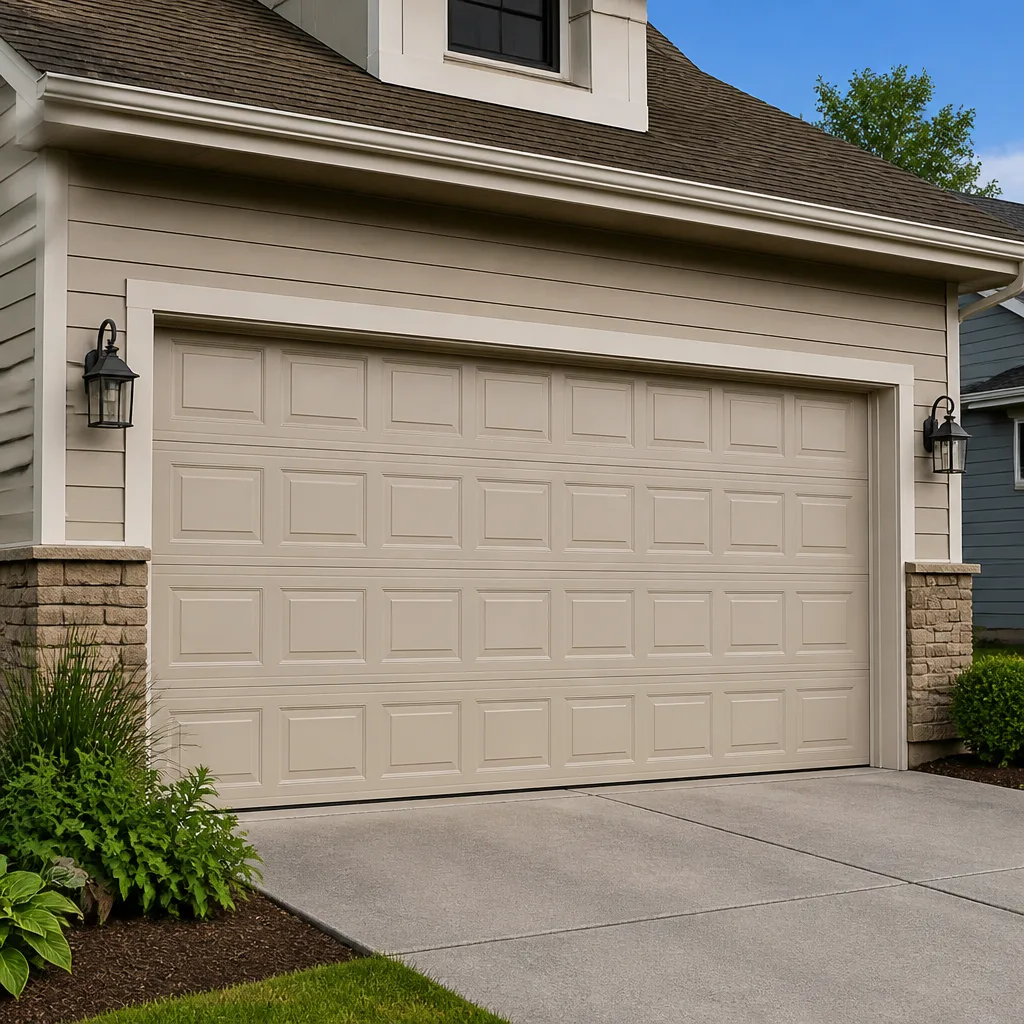 Raised-panel steel
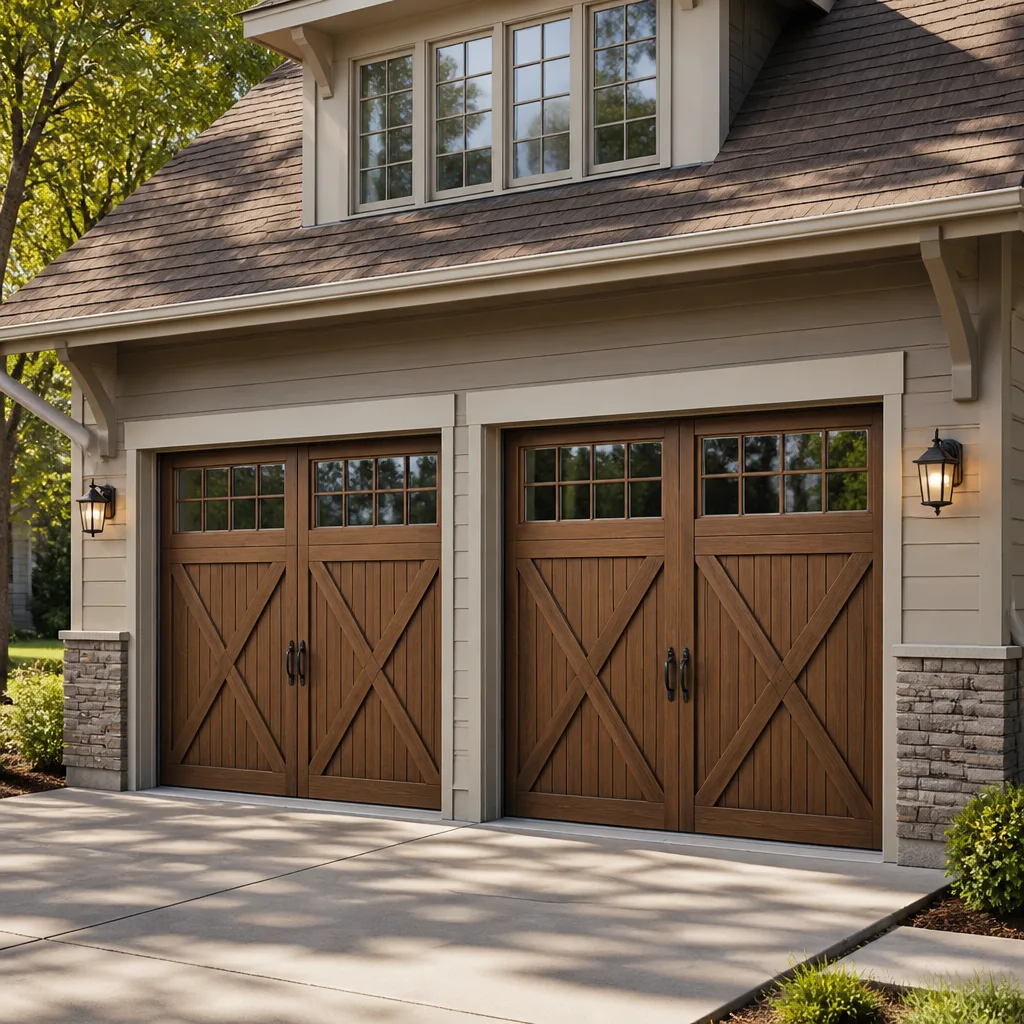 Carriage house
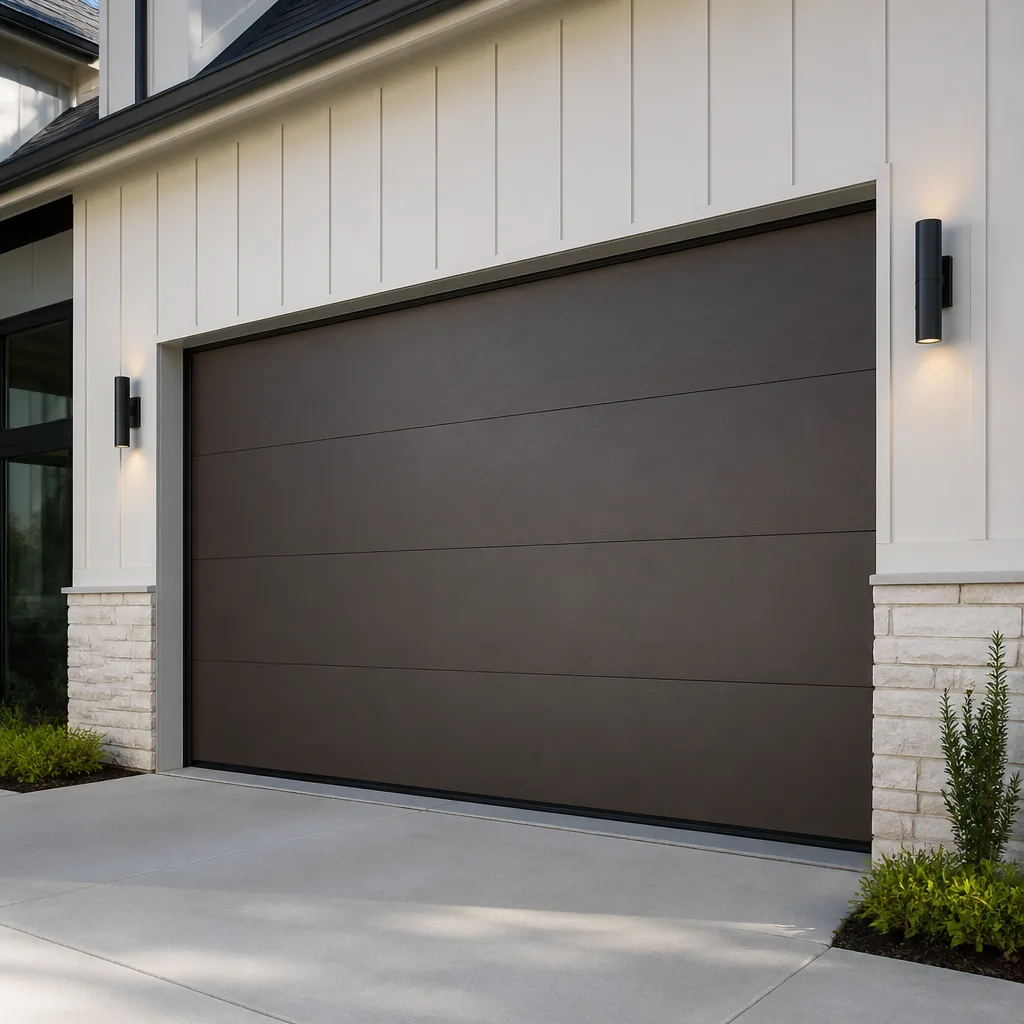 Modern flush
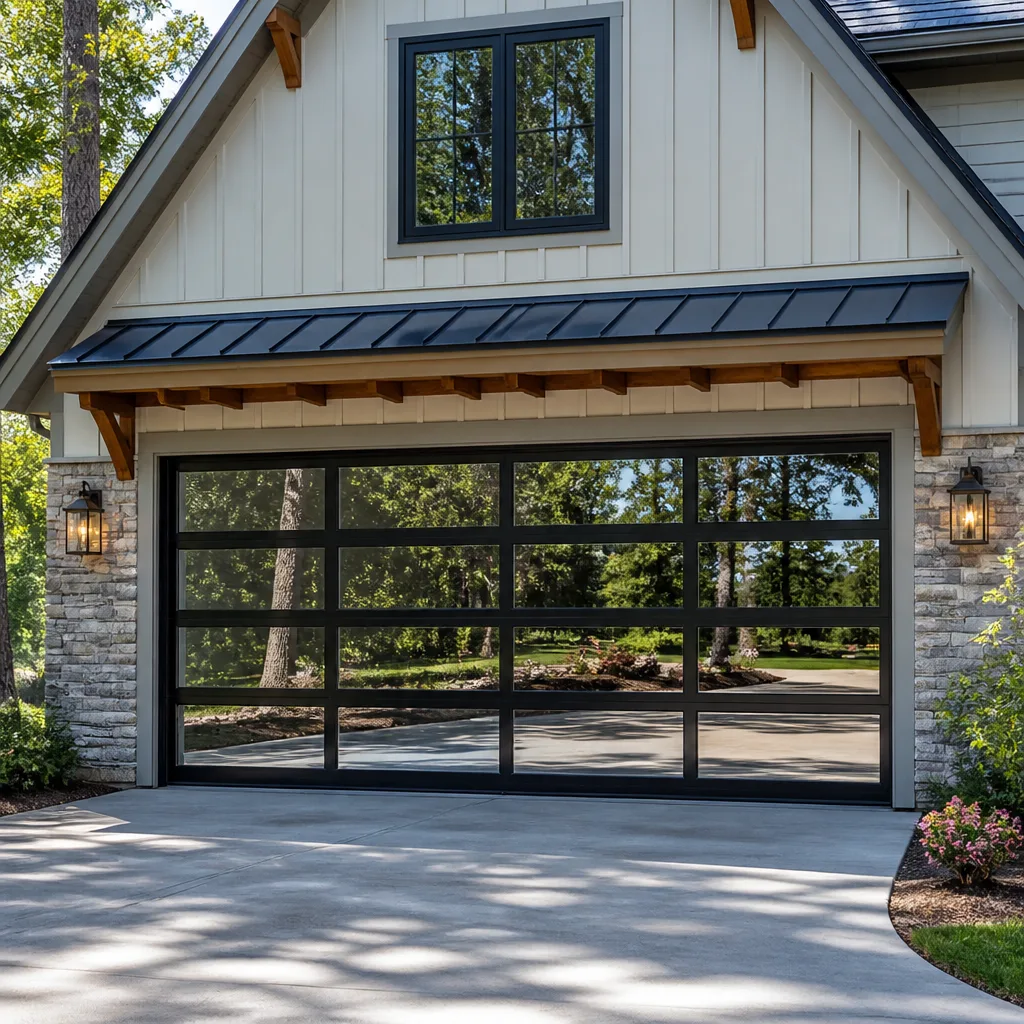 Full-view glass
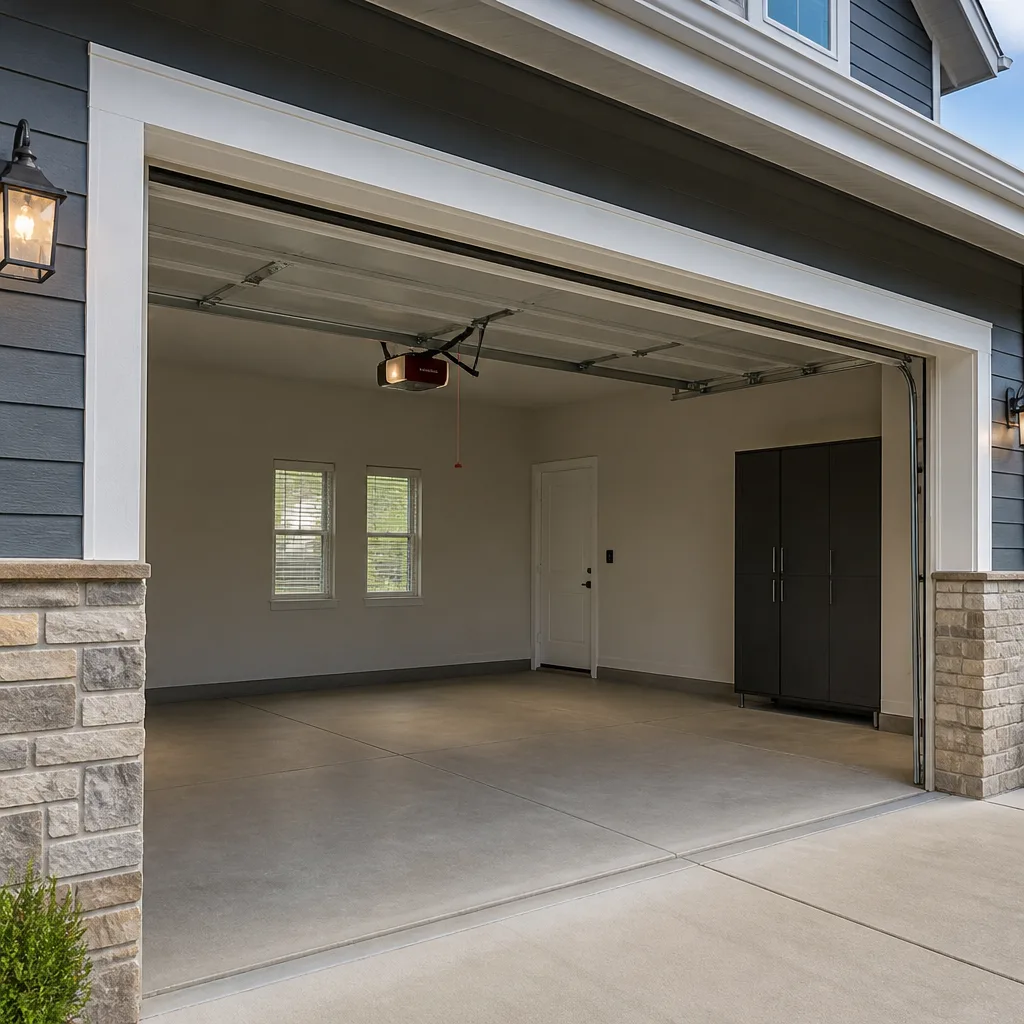 LiftMaster openers
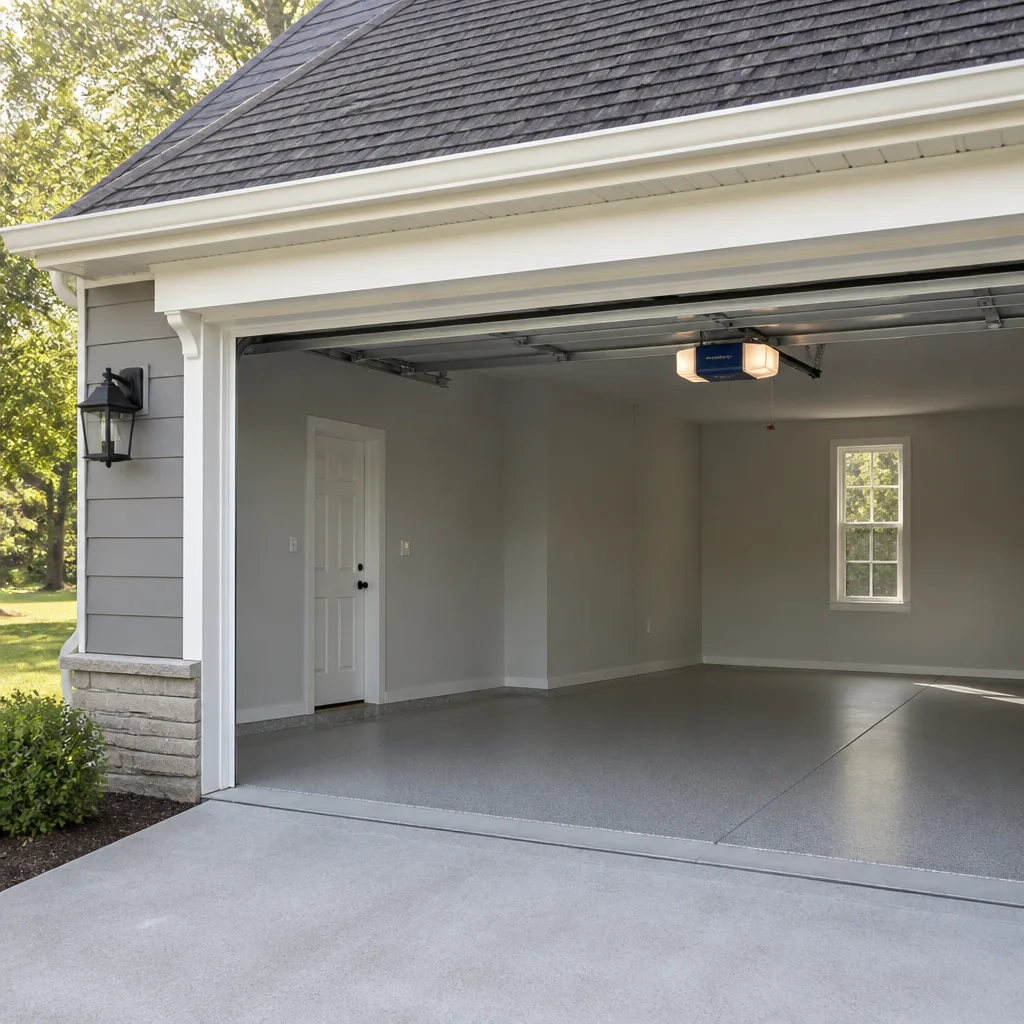 Chamberlain openers
Full 25-point door and opener safety check with every visit - springs, cables, rollers, tracks, and your LiftMaster or Chamberlain opener included
You get a price before we start. It does not change when the pro arrives.
Get your free estimateThe Complete Guide to Garage Doors in Beverly
Most Beverly garages were built before the residential overhead door existed. That single fact explains more installation trouble than any other: the opening, the header clearance and the framing behind it were never designed with a modern sectional door in mind. A 1920s brick bungalow off a rear alley and a 1960s two-flat on a narrow lot each pose their own constraints, and a spec sheet that looks fine on paper can fail at the first joist. This guide maps every major garage door decision to those real conditions. You’ll learn how alley-facing layouts shape door and weatherseal choices, which track and spring types actually fit a low-header Beverly garage, how the big brands behave in these buildings, and how to tell a door that fits from one that merely measures correctly.
Quick Answer
A garage door in Beverly has to fit a pre-war or mid-century opening, not the other way around. The three factors that decide almost every choice are header clearance (how much room sits above the opening), the width and height of the opening itself (which usually means a single-car 8×7), and whether the door faces an alley, which changes how water, snowmelt and sight lines behave. Get those three right and the brand, material and opener choices fall into place. Get them wrong and you’ll fight the door for as long as you own the garage.
Styles & brands we work with
- Raised-panel steel
- Carriage house
- Modern flush
- Full-view glass
- LiftMaster openers
- Chamberlain openers
Table of Contents
- How Beverly’s Housing Stock Shapes Every Door Decision
- Alley-Facing Garages: Weatherseal, Water and Opener Sight Lines
- Header Clearance and Which Door Types Actually Fit
- Brand Compatibility for Beverly Garages
- Why Single-Car 8×7 Openings Dominate Beverly
- Repair or Replace? Deciding on an Older Door
- How a Proper Installation Actually Runs
- Openers in Older and Newer Beverly Garages
How Beverly’s Housing Stock Shapes Every Door Decision
Beverly is a neighborhood of brick bungalows and two-flats built mostly between the 1920s and the 1960s, and its garages came up alongside them. Many are detached and set at the back of the lot, opening onto the alley. Walk the side streets and you’ll see the same pattern: narrow single stalls, low roof lines above the opening, and framing that was built for a swinging or sliding door rather than a sectional one.
That history is the reason we treat every Beverly door as a measured job rather than a catalog pick. The constraints are consistent enough to plan around:
- Low headroom above the opening. Older garages often leave far less space above the door than a standard sectional track needs. This decides whether you can use a normal track, a low-headroom track, or a different spring arrangement entirely.
- Narrow openings. Most Beverly garages take one car, and the openings reflect it. That limits how wide a door can be and, by extension, what insulation options exist.
- Alley-facing. A rear-alley door faces different weather exposure and a different approach angle for the car than a street-facing one.
- Settled framing. Eight decades of settling means the opening may be a touch out of square. A door sized to the tape measure alone can bind against a frame that’s off plumb.
None of this is a problem in itself. It’s just the reality of working on garage doors in Beverly, and it’s why a guide written for new construction misses the mark here. The right answer depends on the building, not the brochure.
Alley-Facing Garages: Weatherseal, Water and Opener Sight Lines
An alley-facing garage in Beverly sits back from the street, often below the level of the house, and takes the brunt of runoff and snowmelt draining down the block. That orientation changes three practical things about your door: where the weatherseal has to work hardest, how you handle water at the threshold, and how the opener’s safety sight line sits when the car approaches at an angle.
Weatherseal placement
The bottom seal takes the most abuse on an alley door because that’s where water and debris collect. A good bottom seal should sit snug against the slab and compress evenly across the whole width of the door. If you can see daylight under one corner, water will find it. Side and top seals matter too, especially on a door that faces the prevailing wind and rain, but the bottom is where most alley doors fail first.
Water and the threshold
A garage that sits low on the lot will take water at the threshold no matter how good the door is. The fix isn’t a thicker seal alone; it’s making sure the slab slopes away from the opening and the door closes against a clean, unbroken surface. If the concrete at the threshold is crumbling, no seal will bridge it well. We look at the slab before we recommend a seal, because replacing the rubber over a bad threshold just repeats the problem.
Opener sight lines
Most modern openers use a pair of safety sensors near the floor to detect obstructions, and the two sensors have to “see” each other across the opening. In a narrow alley-facing garage, it’s common for a car, a trash can or a stack of storage to block that line. Mounting has to account for how the car actually parks, not how a diagram assumes it does. When the line gets blocked, the door won’t close, and homeowners often assume the opener has failed when the real issue is a sensor aimed into a parked car.
If your door won’t close and the sensors look clear, that’s the point to look at garage door opener repair rather than guessing at parts.
Header Clearance and Which Door Types Actually Fit
Header clearance is the space between the top of the door opening and the ceiling or the lowest obstruction above it. It’s the number that decides what actually installs in a Beverly garage, and it’s the number most homeowners never check before they shop. A standard sectional door wants a certain amount of room for its track to curve back under the ceiling. A pre-war garage with a low roof line often doesn’t have it.
There are ways around a tight header, and they come down to two choices:
- Low-headroom track. A track designed to fit under a lower ceiling, sometimes with the horizontal section mounted closer to the door. This is the usual answer for a Beverly bungalow garage that would otherwise rule out a standard sectional.
- Spring arrangement. Torsion springs mount on a shaft above the door and are compact; extension springs run alongside the track and need more room above. Which one fits depends on the header and the door weight, and the two aren’t interchangeable on a tight installation.
Torsion vs. extension in a tight header
On a low-header Beverly garage, torsion is often the cleaner fit because the springs sit on a shaft in a compact space rather than running along the ceiling. Torsion springs also tend to run quieter and last longer than extension springs, which is worth knowing when you’re choosing. Extension springs, common on older doors, are still on plenty of Beverly garages and can be replaced with either a like-for-like extension or a torsion conversion, depending on the space and the door.
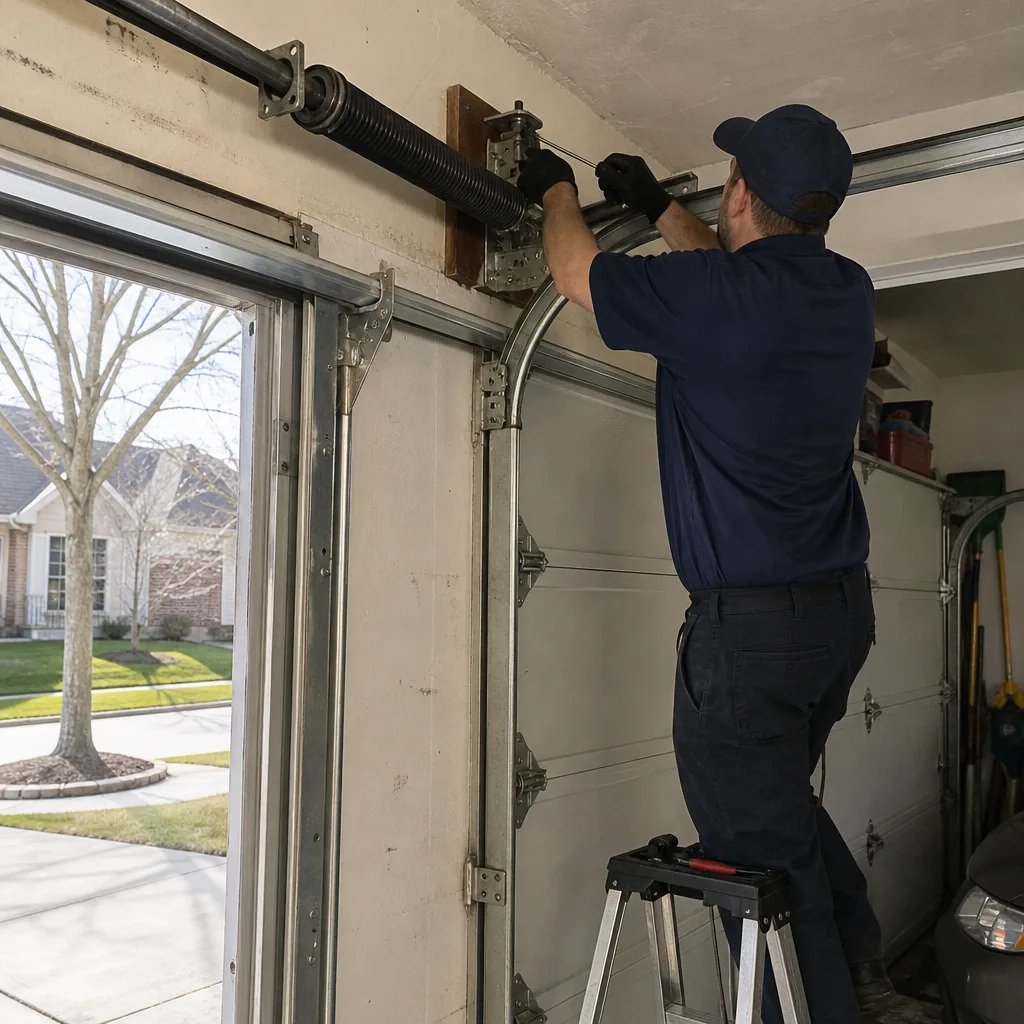
We treat spring work as its own discipline because springs are the highest-tension part of the whole system, and a mistake there is the one that hurts people. Replace them as a matched pair, let a trained technician handle the winding, and never attempt to adjust a loaded spring yourself. This is the part of the job where the difference between a specialist and a generalist matters most.
Brand Compatibility for Beverly Garages
The brands you’ll find on Beverly garages are the ones that have covered most American homes for decades, plus the modern smart-home lines that have replaced a lot of older units. Our technicians work on eight of the most widely installed residential brands: LiftMaster, Chamberlain, Genie, Clopay, Amarr, Wayne Dalton, Craftsman and Raynor. Knowing the brand matters because diagnosis follows brand logic. A Genie opener that won’t respond and a LiftMaster opener that won’t respond often fail for different reasons, and knowing which you’re looking at saves time and parts.
Here’s a rough map of how the brands line up in a Beverly garage:
- Legacy units (Craftsman, older Genie, Wayne Dalton). Very common on doors and openers installed decades ago. Parts are usually available, but a legacy unit near the end of its service life is sometimes better replaced than repeatedly repaired.
- Modern smart openers (LiftMaster, Chamberlain with myQ). Found on homes updated in the last decade. These integrate with phone apps and smart-home systems, and they have their own failure patterns around connectivity and sensors.
- Doors (Clopay, Amarr, Wayne Dalton, Raynor). These cover the majority of residential door installations. Brand familiarity means we know how a given door’s panels, hinges and track are built before we start.
If your equipment falls outside that list, don’t assume we can’t help. It means we’d want to check compatibility before quoting, so nothing gets promised that doesn’t fit. For everyday failures, garage door repair starts with identifying the brand and the failure pattern together.
Why Single-Car 8×7 Openings Dominate Beverly
An 8×7 opening (eight feet wide, seven feet high) is the standard single-car garage door size, and it’s what you’ll see on most Beverly garages. The reason is the lot and the era: these neighborhoods were laid out for one car per household, with the garage tucked at the back. That single-car norm has a real consequence for insulation. A wider door can be built with more panel depth and a higher insulation value; a narrow door has less room for that, and many older 8×7 doors were installed with no insulation at all.
What that means in practice:
- A door that’s newer than it looks. A well-sealed 8×7 door with a solid bottom seal and insulated panels holds heat better than its width suggests. The seal does as much work as the R-value.
- The real limit is the opening, not the material. You can buy an insulated 8×7 door; you just have fewer high-insulation options than you would in a wider opening. Worth knowing if you use the garage as more than parking.
- Don’t oversize for the sake of it. Widening an 8×7 opening in a Beverly garage means structural work to the header, and that’s a decision for the framing, not the door.
If your goal is a warmer, quieter garage, the honest answer for most Beverly single-car doors is a well-insulated replacement plus a proper seal, not a bigger opening.
Repair or Replace? Deciding on an Older Door
The right call on an older Beverly door usually comes down to three questions: is the door structure sound, are the moving parts at the end of their life, and does the door still fit the opening after decades of settling. A single broken spring or a failed opener on an otherwise sound door is a repair. A door with a bent track, cracked panels and springs at the end of their life is a candidate for replacement.
Ask yourself these, in order:
- Is the door itself salvageable? Dents, cracked panels and a track that’s out of line add up. If the panels and frame are solid, a repair can keep the door going.
- How old are the springs and opener? Springs are the wear item. If they’ve been replaced recently and the door and opener are in good shape, repair makes sense.
- Does the door still fit the frame? Settled framing can twist an older door so it binds. Sometimes that’s adjustable; sometimes the door has to come out.
- Would a new door fix more than one problem at once? A replacement door with a fresh track, new springs and a proper seal often solves binding, cold, noise and a tired look in one job.
When replacement is the answer, garage door installation covers the measure, the door order and the fit, and it’s the same team that would have repaired the old door. There’s no handoff to a second contractor.
How a Proper Installation Actually Runs
A garage door installation in Beverly is a measured job, not an off-the-shelf one. The sequence matters because the constraints of an older garage show up during measuring, and a door ordered before those are known is a door that may not fit. Here’s how the process runs when it’s done right:
- Measure the opening and the header. Width, height and available headroom above the opening, plus the depth of the side room. This tells us what track and spring arrangement will fit.
- Check the framing and the slab. The opening has to be reasonably square and the threshold sound. If it isn’t, we tell you before ordering, not after.
- Choose the door and the fit details. Door type, material and insulation are chosen against those measurements, not from a catalog on its own. For a low-header bungalow garage, the door and the track are chosen together.
- Order the door. The door is built to the measured size. This is why a new door is scheduled rather than same-day: the door has to exist before it can install.
- Remove the old door and track. The opening, header and springs come out as a system.
- Install the new door, track, springs and opener. The door goes up on its measured track, springs get wound by a trained technician, and the opener is mounted and the safety sensors aimed for how the car actually parks.
- Balance and test. The door is balanced so it moves easily by hand, the opener is set, and the sensors are checked for a clear line across the opening.
Every step is priced before work starts. The written estimate sets the price, and it’s the number the job runs to. No surprise on the invoice.
Openers in Older and Newer Beverly Garages
Openers are where newer and older Beverly homes diverge most. A garage that still has a legacy Craftsman or older Genie unit is likely to have a standalone opener with a simple wall button and no app. A home updated in the last decade may have a LiftMaster or Chamberlain unit tied into a phone app and a smart-home setup. Both are common here, and both fail in their own ways.
Legacy units
Older standalone openers are simple and repairable, but parts availability and the unit’s overall condition decide whether a repair is worth it. If the motor, the drive and the safety features are sound, a repair keeps a legacy unit running. If several parts are failing at once, replacement is often the more sensible route.
Smart openers
Wi-Fi and app-integrated openers add convenience and add failure points. A door that won’t respond to the app but works from the wall button is usually a connectivity issue, not a motor issue. A door that won’t close from any control is usually the safety sensors, and those are often blocked by how the car parks in a narrow alley-facing garage.
We repair both kinds, and when an opener is past saving we install the replacement. The opener choice should match the door it’s lifting, which is why we assess the two together rather than treating the opener as an afterthought.
Common Mistakes to Avoid
- Ordering a door without measuring the header. On a low-header Beverly bungalow garage, a door that measures correctly can still fail to install because the track can’t curve back. Measure the clearance first, then choose the track.
- Replacing one spring instead of a pair. Springs wear together. Replacing one leaves the other near failure, and the door runs unbalanced. Replace them as a matched pair.
- Assuming a door that won’t close is a broken opener. In an alley-facing garage, the safety sensors are often blocked by how the car is parked. Check the sight line before you call it dead.
- Ignoring the threshold. A new bottom seal over a crumbling threshold will leak again. Fix the slab before the seal.
- Widening an 8×7 opening for a bigger door. In a Beverly garage that’s structural work to the header. It’s a framing decision, not a door decision, and it needs a professional’s eye.
- DIY spring work. Torsion and extension springs are under heavy tension and can cause serious injury. This is the one part of the job to hand to a trained technician every time.
- Choosing a door by catalog, not by building. A spec sheet that works in new construction may not fit a 1940s detached garage. The door has to match the opening in front of you.
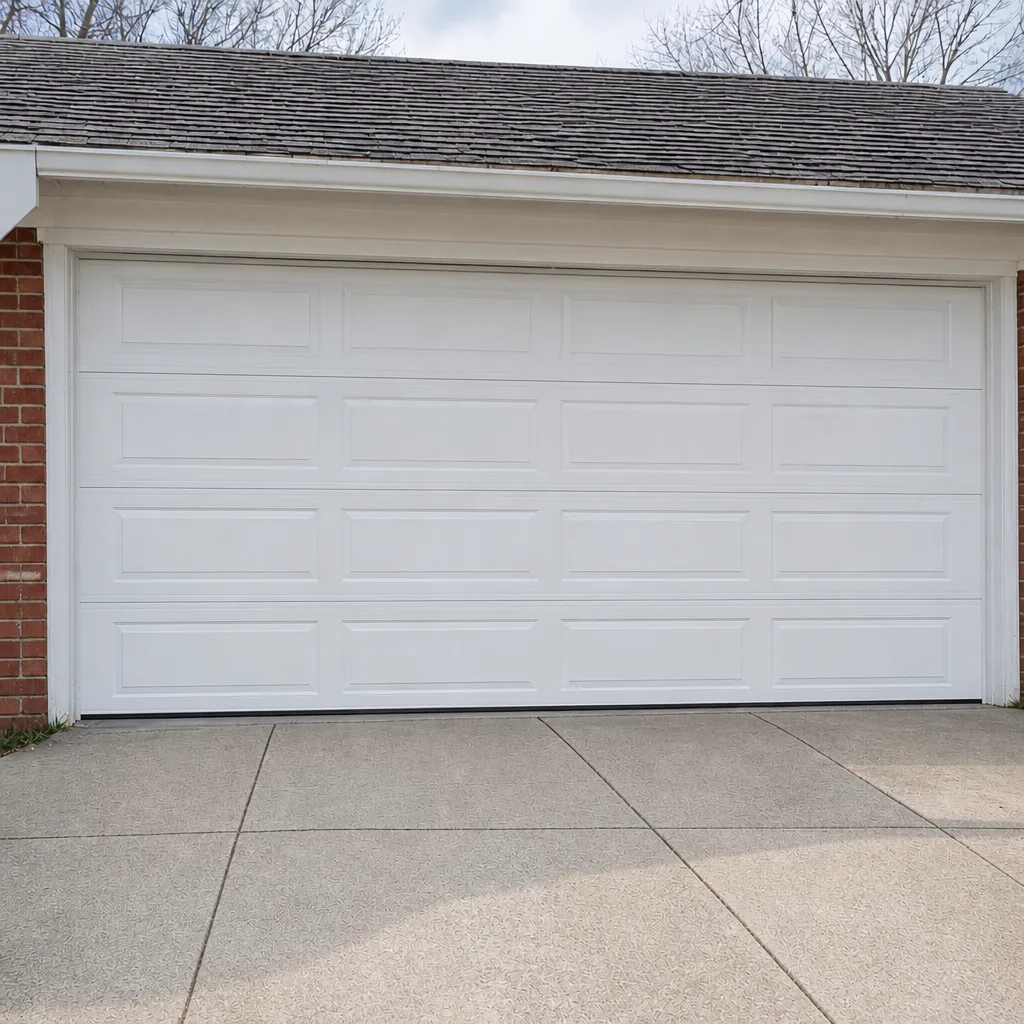
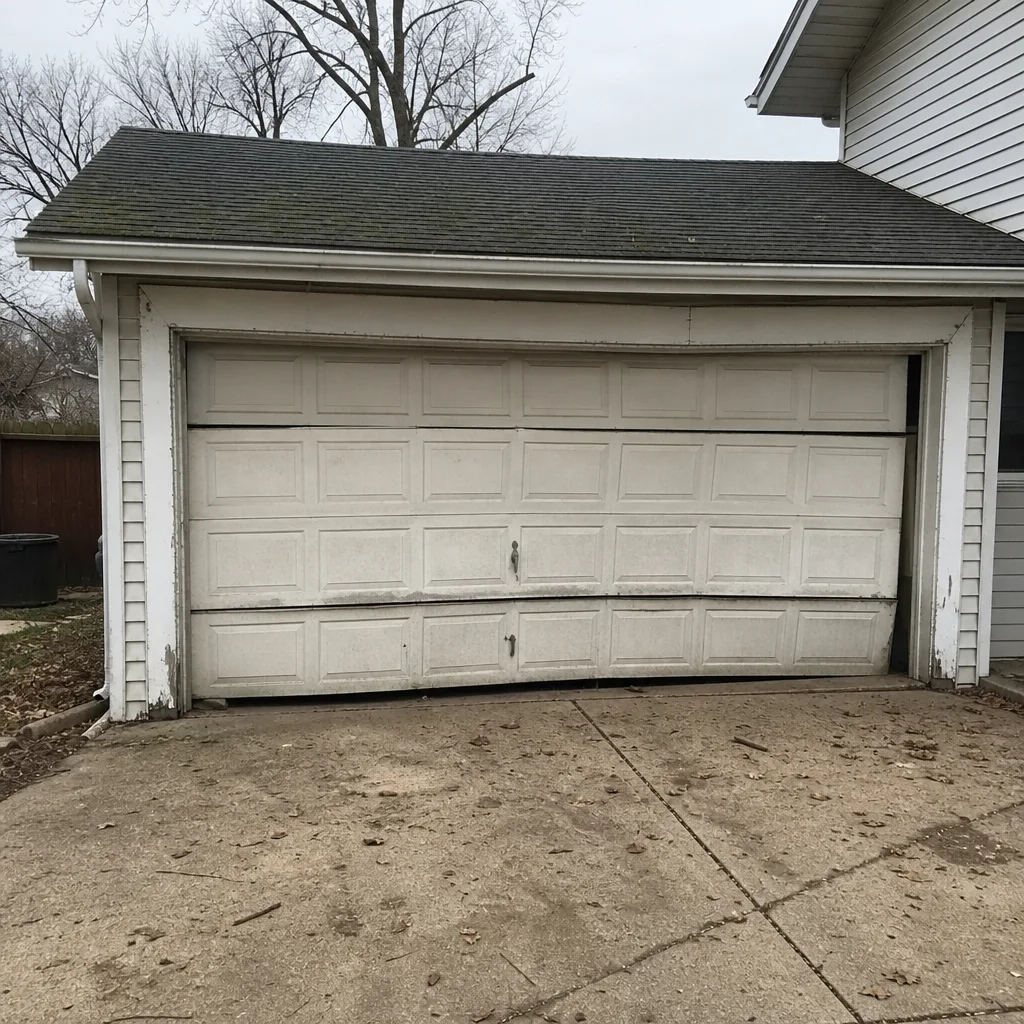
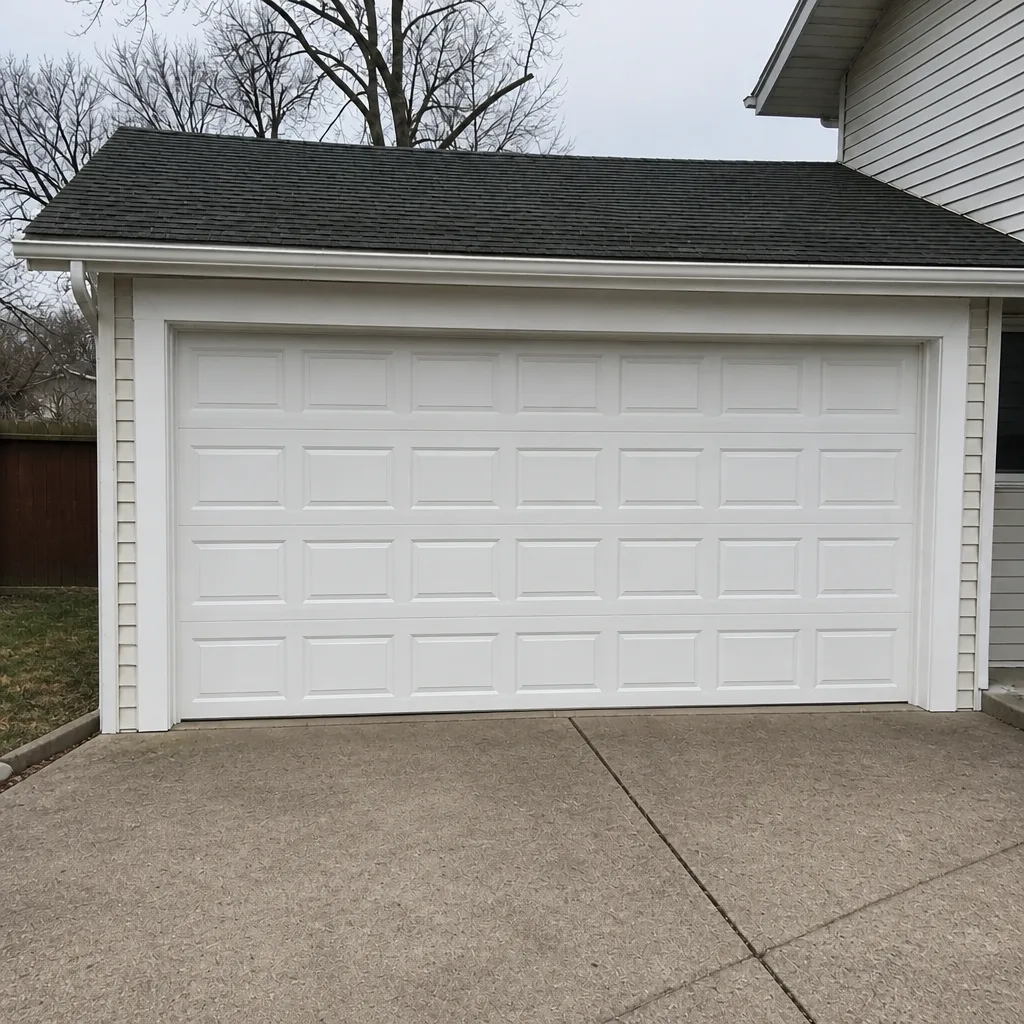
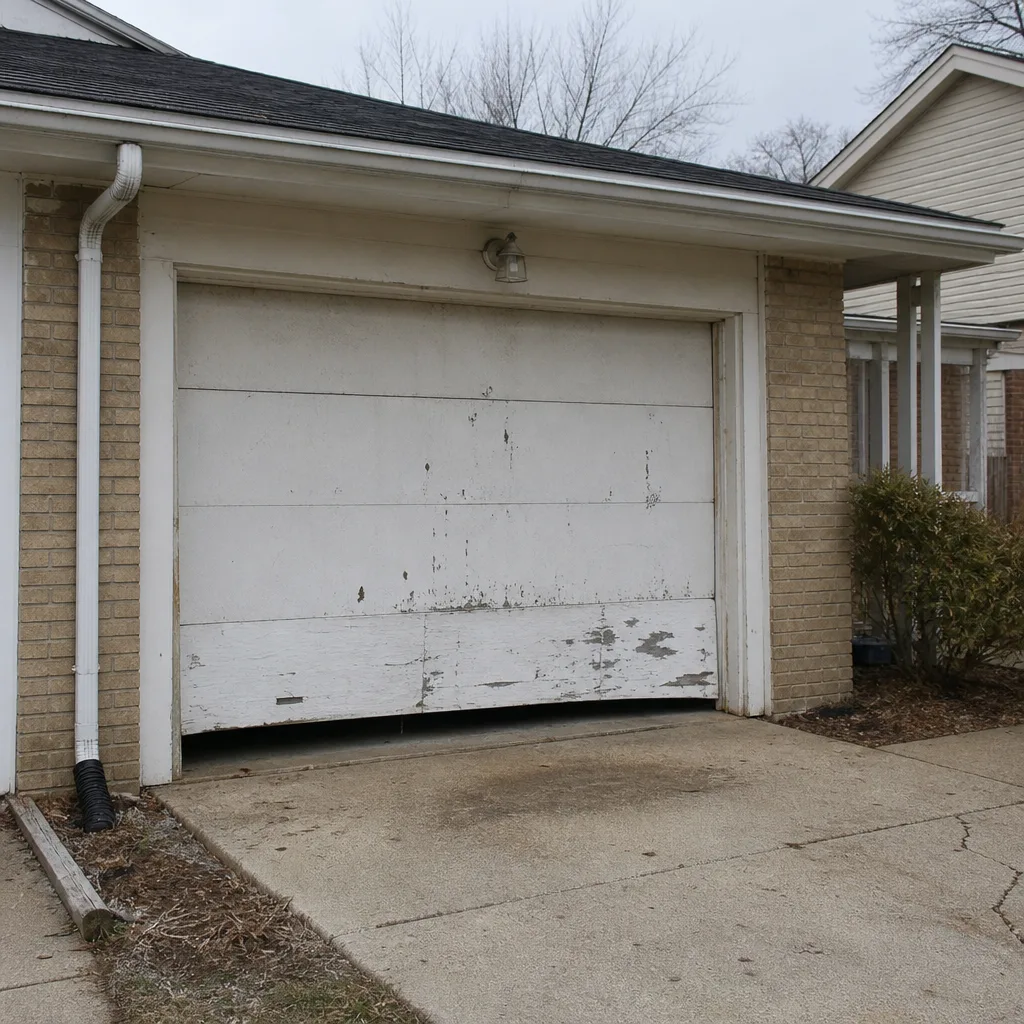
See the difference
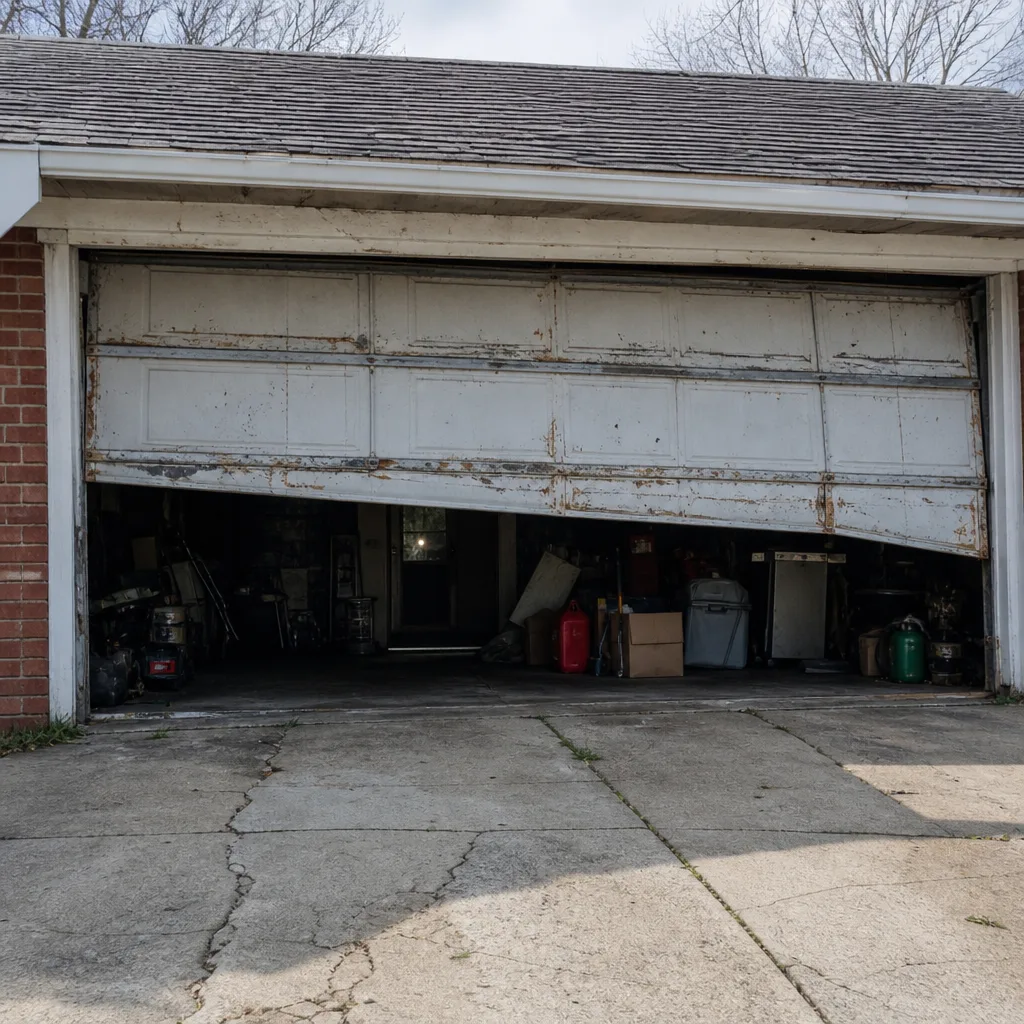 Before
 After
 Before
 After
 Before
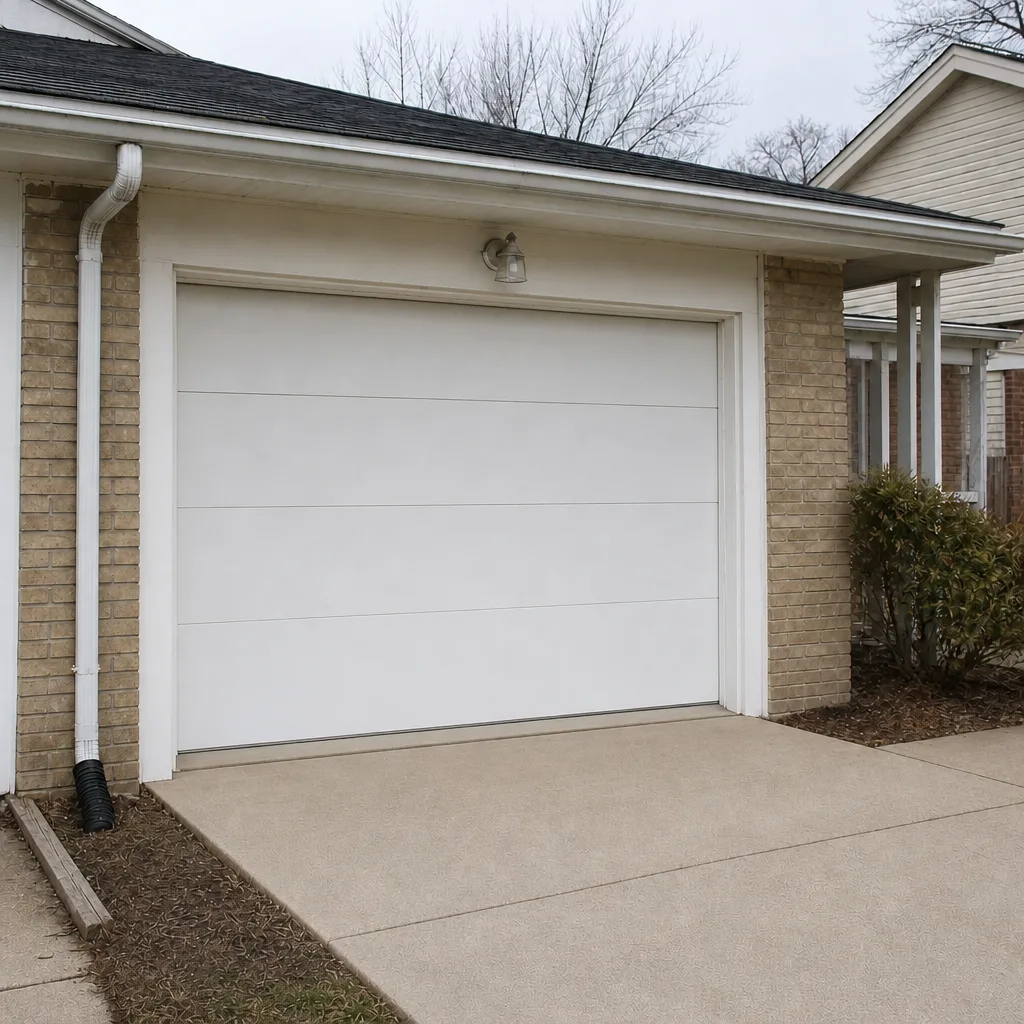 After
When to Call a Professional
Call a professional when a spring has snapped, when the door binds or comes off its track, when the opener won’t respond from any control, or when the door won’t close and the sensors look clear. Call before you attempt spring work of any kind. Call when you’re planning a replacement and want a measured quote rather than a guess. And call when the door has started to feel heavy to lift by hand, because that’s a balance or spring issue that only gets worse. Our technicians have up to 11 years of experience, and we diagnose by brand so the fix matches the equipment. Beverly Garage Door Repair Pros offers free estimates in Beverly; call (888) 762-7611. We answer 24/7. Fast dispatch from 7am to 7pm, Sunday through Friday.
Frequently Asked Questions
An 8×7 single-car opening is the most common in Beverly. Most garages here were built for one car, and the openings reflect that. It limits how wide a door can be, which in turn limits high-insulation options, so the seal and panel quality do a lot of the work.
Usually, yes, but the install has to be planned around the header. A low-headroom track and the right spring arrangement let a sectional door fit many pre-war and mid-century garages. The measure comes first; the door is ordered to the measured opening after that.
It’s most often the safety sensors, not the opener. In a narrow alley-facing garage, a parked car or stored item can block the line between the two sensors near the floor, and the door won’t close until the sight line is clear. If the line is clear and it still won’t close, that’s the point to call for opener repair.
We work on LiftMaster, Chamberlain, Genie, Clopay, Amarr, Wayne Dalton, Craftsman and Raynor. Those cover the vast majority of residential installations in Beverly zip codes. If your equipment is outside that list, we’ll check compatibility before quoting.
Repair if the door panels and frame are sound and only a part has failed. Replace when the track, panels and springs are all at the end of their life, or when settled framing has twisted the door so it binds. A free estimate in Beverly will tell you which side of that line your door is on.
Cost depends on the door, the opening and the work, and the written estimate sets the price before anything starts. We give free estimates and quote per job so the number you agree to is the number the job runs to. Call (888) 762-7611 for an exact quote; estimates are free.
The Bottom Line
A garage door in Beverly is a fit problem before it’s a product problem. Header clearance, opening size and alley orientation decide what actually installs, and a door that ignores those constraints will fight the building for years. Start with a measured look at the opening, choose the track and spring arrangement to suit the header, pick the door and opener to match, and let a specialist handle the springs. If you’re facing a broken spring, a dead opener or a door that won’t close, that’s a repair. If the whole system is tired, the same team can replace it. Either way, get the measure and the written price first. Call (888) 762-7611 for a free estimate. We answer 24/7. Fast dispatch from 7am to 7pm, Sunday through Friday.
Written by the team at Beverly Garage Door Repair Pros.