
Last updated November 21, 2026
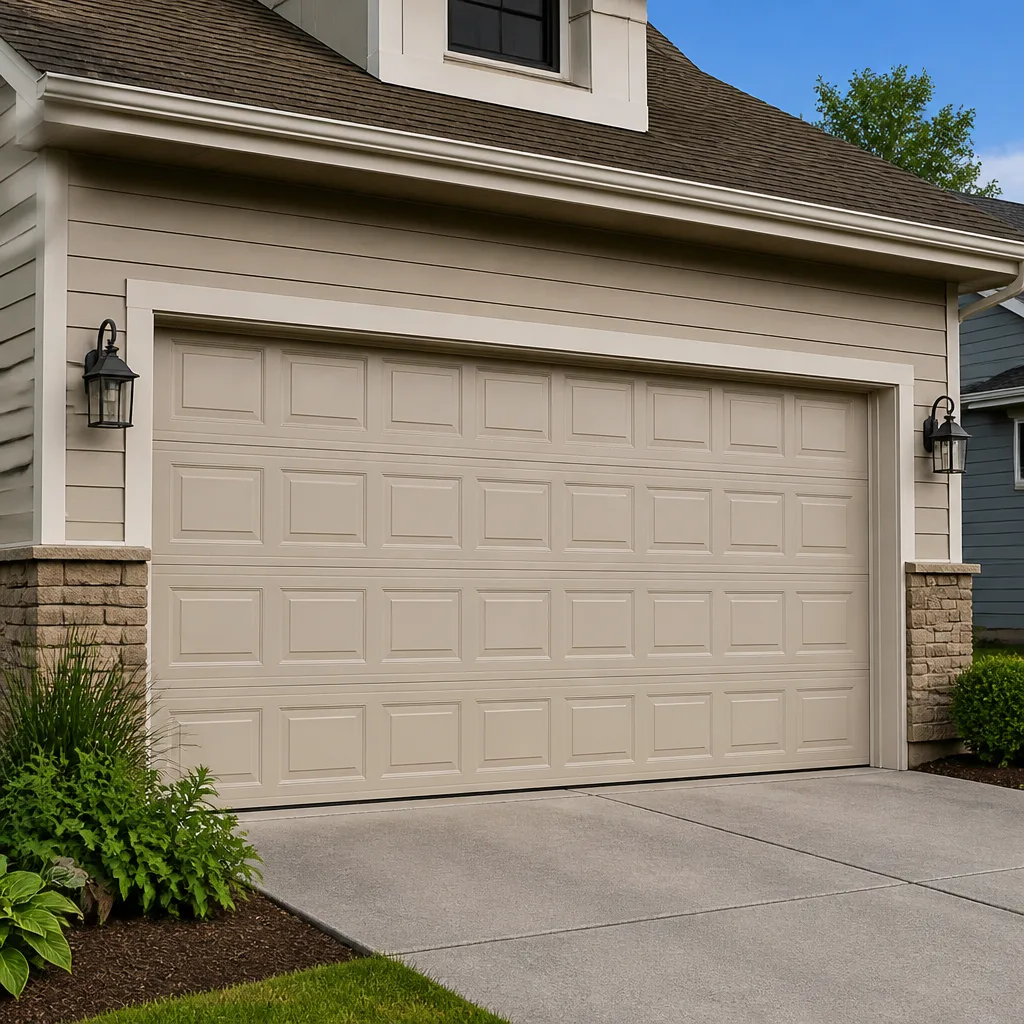 Raised-panel steel
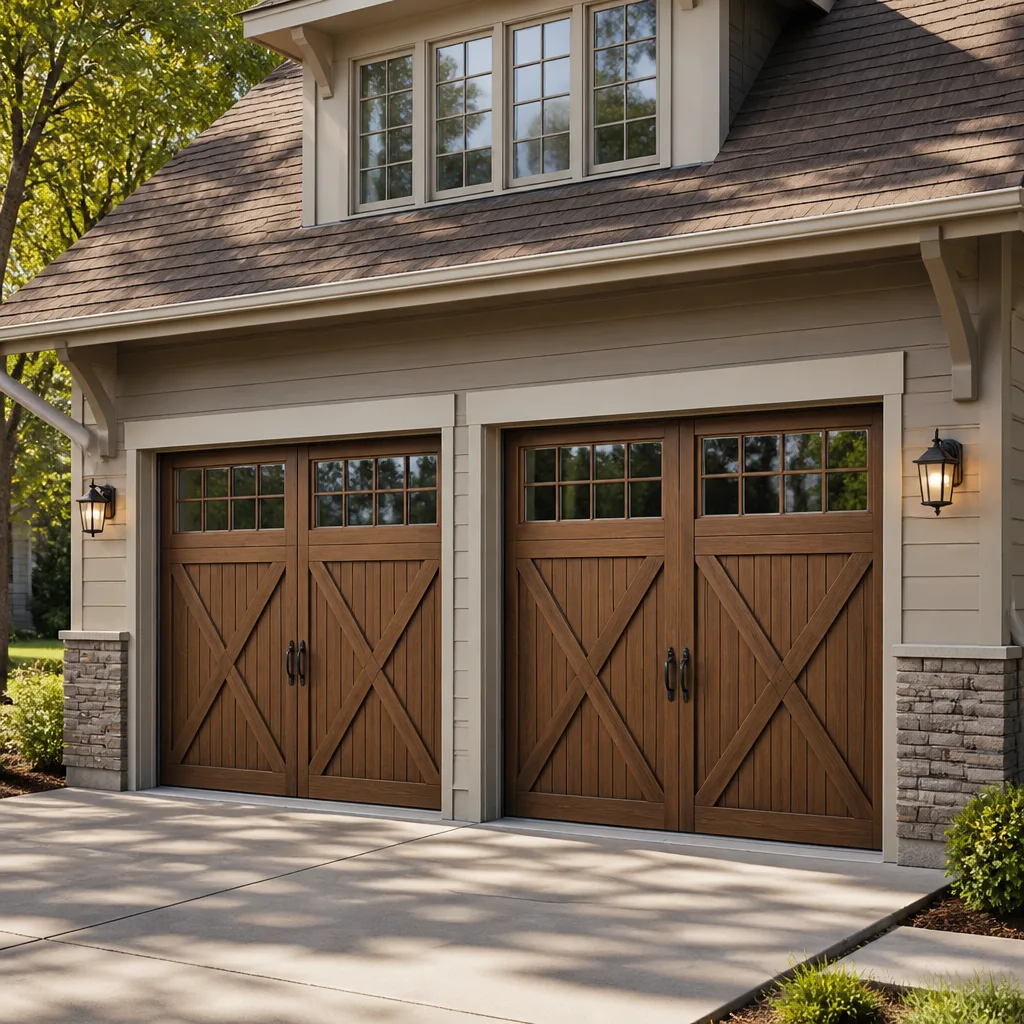 Carriage house
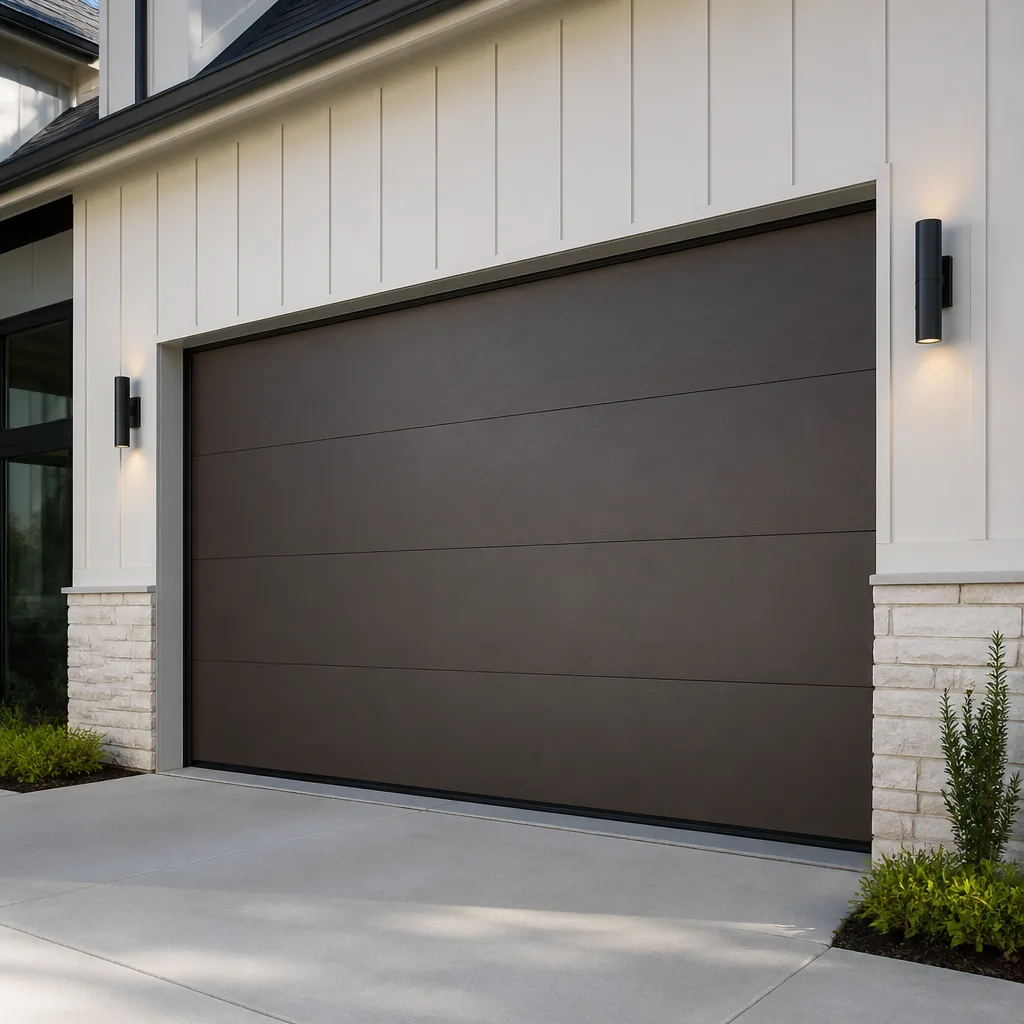 Modern flush
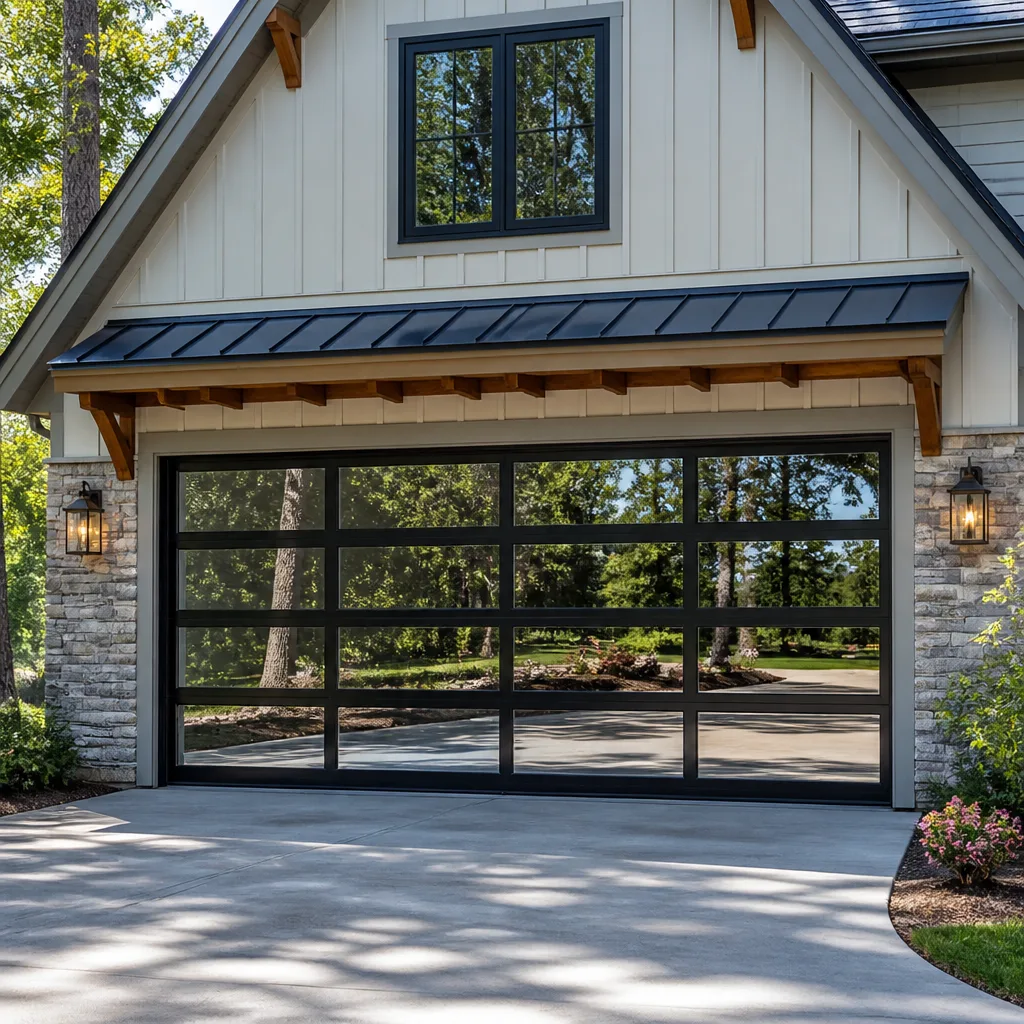 Full-view glass
 LiftMaster openers
 Chamberlain openers
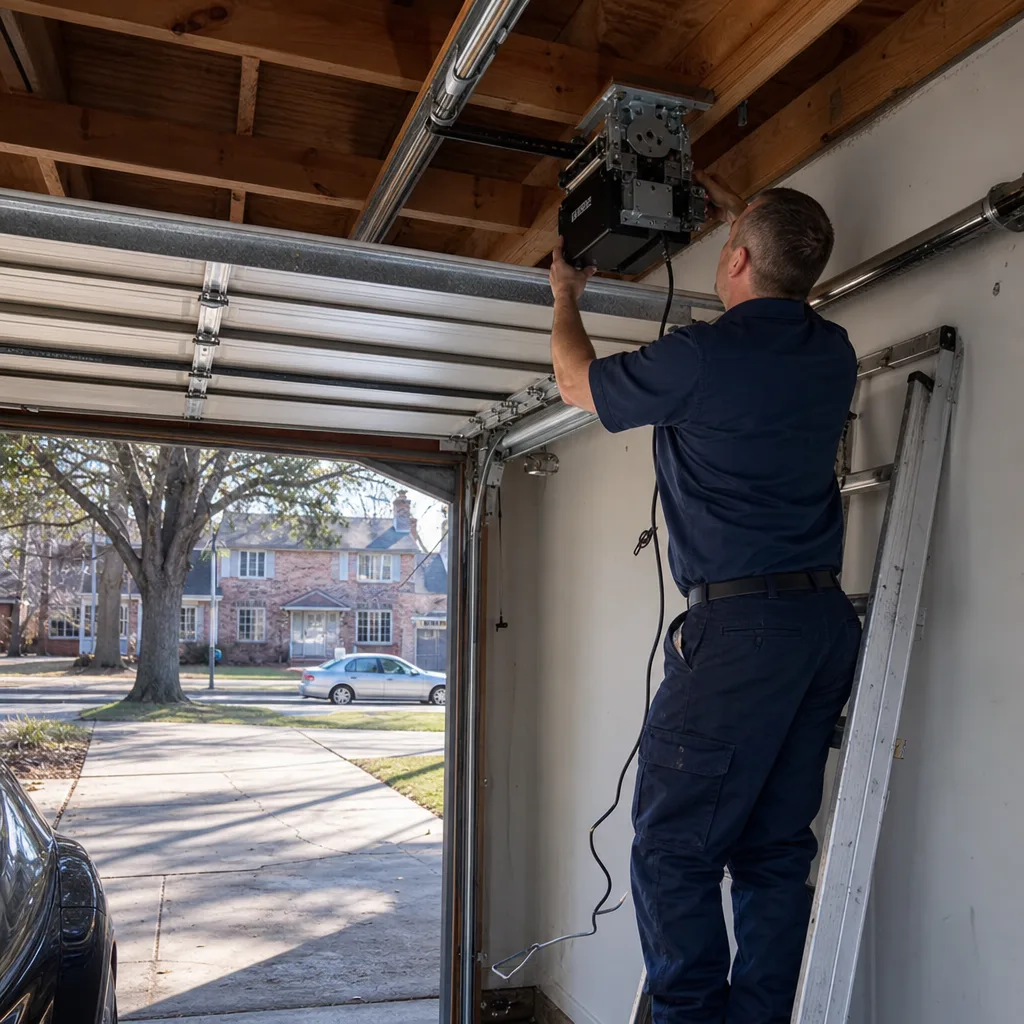
Full 25-point door and opener safety check with every visit - springs, cables, rollers, tracks, and your LiftMaster or Chamberlain opener included
You get a price before we start. It does not change when the pro arrives.
Get your free estimateSeasonal Garage Door Care for Beverly: Year-Round Homeowner’s Guide
Most homeowners think of garage door maintenance as a winter chore. Wait for the cold, then worry about the door. That’s backward, and it’s why so many doors fail in the worst possible week. The spring that snaps on a January morning in Beverly didn’t break because of that morning’s cold. It broke because the lubricant thinned and migrated off the coils during a stretch of August heat, the bare steel oxidized through a damp October, and then the first hard freeze added stress to a spring with no protective film left to give. Seasonal care works backward from that chain. In this guide, we’ll walk through the four-phase stress cycle that Beverly’s climate puts your door through each year, and show you which maintenance tasks land in which window so you’re preventing failures instead of reacting to them.
Quick Answer
Garage door care in Beverly follows a four-phase climate cycle: summer heat that degrades lubricant and spring calibration, fall oxidation that leaves metal unprotected, winter freeze that exposes every gap, and spring thaw that shifts concrete and door alignment. The single highest-leverage window for maintenance is October – fall lubrication, balance checks, and weatherstripping inspection prevent most January failures. Summer calls for a balance and force-setting recalibration, and spring is the time to check seals and bottom-edge contact after freeze-thaw movement.
Styles & brands we work with
- Raised-panel steel
- Carriage house
- Modern flush
- Full-view glass
- LiftMaster openers
- Chamberlain openers
Table of Contents
- The Four-Phase Stress Cycle in Beverly
- Fall Prep: The Highest-Leverage Maintenance Window
- Winter: Freeze-Thaw and What It Does to Your Door
- Spring: Alignment, Seals, and Post-Thaw Adjustments
- Summer: Heat, Spring Tension, and Calibration Drift
- Weatherstripping Replacement Schedule for Beverly’s Temperature Swing
- Opener Sensitivity Adjustment by Season
- Your Year-Round Maintenance Calendar
The Four-Phase Stress Cycle in Beverly
Garage doors don’t experience “winter problems” and “summer problems” as separate events. They experience a continuous mechanical cycle that runs through every season, and the condition the door is in at the start of one phase is set by what happened in the phase before. In Beverly, that cycle moves through four recognizable stages, and the stress accumulates in a predictable order through the door’s moving parts.
Here’s how each phase affects the door:
- Summer heat (June-August): Metal expands, lubricant thins and migrates off the torsion spring coils, and the balance point of the door shifts slightly as the door’s own panels heat up. Doors that felt perfectly balanced in March feel sluggish by July.
- Fall oxidation (September-November): The bare steel on springs and hinges, now under-lubricated, oxidizes faster as temperatures drop and condensation forms on cold mornings. Weatherstripping hardens and starts to lose its compression memory.
- Winter freeze (December-February): Cold contracts metal, stiffens rubber, and any remaining lubricant turns tacky. Springs that lost protective film in the fall now face their highest tension load with the least protection, and the freeze-thaw cycle in alley-grade concrete starts shifting the door’s contact with the floor.
- Spring thaw (March-May): Concrete around the door opening heaves and settles with repeated freeze-thaw, and the bottom seal that was seated perfectly in November may no longer make clean contact. Alignment drift becomes visible.
The takeaway for a Beverly homeowner: the door you service in fall is the door that survives winter. The door you service in spring is the door that holds balance through summer. Each phase sets up the next.
Fall Prep: The Highest-Leverage Maintenance Window
October is the month that matters most for a garage door in Beverly. It’s the last window before the cold stress hits, and the work done then prevents the majority of January failures. That’s not an exaggeration of the stakes – it’s a reflection of what actually breaks and why.
The failure mode everyone fears is a snapped torsion spring. Springs almost never fail from a single dramatic event. They fail from cumulative fatigue: every open-and-close cycle adds micro-stress, and any loss of protective lubricant accelerates the metal-to-metal wear that shortens spring life. By the time January arrives, the spring has already taken its worst damage. Fall is when you can still reverse the trend.
A fall maintenance pass covers:
- Lubricate the torsion springs, hinges, rollers, and bearing plates with a garage-door-specific lubricant (not WD-40, which is a solvent, not a lubricant). This restores the protective film that summer heat stripped away.
- Check the balance. Disconnect the opener and lift the door to the halfway point. A balanced door holds position. One that drifts down has lost tension and needs adjustment.
- Inspect weatherstripping along the bottom seal and around the perimeter. Any cracking, flattening, or separation from the retainer means it won’t survive winter.
- Test the safety reverse. Place a 2×4 flat under the door and close it. The door should reverse on contact.
- Check the photo-eye alignment on both sides of the opening. Low winter sun angles sometimes expose alignment issues that weren’t visible in summer.
- Listen to the door. Squeaks, grinding, or uneven travel sounds are early signals of a problem that a fall adjustment can still correct.
This is also the window when we encourage Beverly homeowners with older doors to schedule a professional balance check. If the door uses a Chamberlain or Genie opener, the force calibration often needs a small adjustment heading into winter, and a technician who works on these systems daily can spot the wear patterns that indicate a spring nearing the end of its functional life. That’s a $150-$350 spring replacement in October, versus a same-day emergency call when a spring breaks in February and the door is stuck open. The spring ranges for one spring are typical for the Beverly market; a matched pair is replaced together and runs about twice that figure. The written quote you receive is the price you pay, and it’s set before any work begins.
Fall is also when a full inspection is cheapest to act on. If a door is showing multiple issues – sagging panels, worn rollers, a failing opener – it’s worth having a specialist look at whether a repair makes sense or whether replacement is the better call. Our garage door installation team handles both decisions from the same visit, so you’re not left wondering who to call next.
Winter: Freeze-Thaw and What It Does to Your Door
Beverly’s winter is a freeze-thaw cycle, not a solid deep freeze. That distinction matters more than the absolute temperatures, because repeated warming and cooling moves the concrete, the seals, and the door itself in ways that a steady cold wouldn’t.
The concrete apron under a garage door – especially alley-grade concrete that hasn’t been sealed or recapped recently – expands when it freezes and settles back when it thaws. A month of freeze-thaw cycles produces small but real movement along the door’s bottom edge. That movement is why winter complaints about “the door won’t close all the way” are so common: the door is closing, but the seal is no longer making clean contact with the floor because the floor has shifted a fraction of an inch in one spot.
Here’s what to check during winter in Beverly:
- Bottom seal contact: Look at the seal from inside the garage with the door closed. Any visible daylight gaps indicate the seal has lost compression or the door has drifted out of alignment.
- Frozen seal from thaw: If the bottom seal freezes to the concrete overnight, don’t force the door open. That cracks the rubber and tears the retainer. Use a putty knife or plastic scraper to break the bond, then check the seal for damage.
- Cold-start sounds: A door that sounds noticeably louder on a 15-degree morning than a 45-degree one is normal. A door that grinds or thunks is not. The difference is whether the noise goes away after 30 seconds or persists.
- Spring behavior: If the door feels heavier by hand in winter than it did in fall, the door is out of balance and the opener is compensating by working harder. That’s a load the opener wasn’t designed to carry.
Safety limits apply here. Garage door springs are the highest-tension component of any residential door system, and they’re under load even when the door is fully closed. Never attempt to adjust, wind, or replace a torsion spring yourself, and don’t try to loosen the set screws on the spring’s center bracket. That’s a job for a trained professional with the right winding bars and the right understanding of the tension. Our garage door spring repair is handled as a core service, not an outsourced extra, because the risk and the frequency of the failure both demand it.
Spring: Alignment, Seals, and Post-Thaw Adjustments
Once the thaw settles in, the ground moves back into place, but the door doesn’t automatically follow. The freeze-thaw cycle can push the door slightly out of level, shift the track a fraction of an inch, and pull the bottom seal away from the floor unevenly. Spring is the correction window before summer heat pushes the balance further out.
The spring adjustment list for a Beverly door looks like this:
- Check the door’s level across the opening. Place a level across the top of the door when closed. A door that’s out of level by more than a fraction indicates the track or one of the flag brackets needs adjustment.
- Inspect the bottom seal for uneven wear. If the seal is worn more on one side than the other, the door is applying uneven pressure to the floor – a sign of alignment drift.
- Look for track looseness. Concrete movement stresses the track anchoring. Loose lag screws should be tightened, and any pulled anchors should be reset.
- Reset the opener’s travel limits. Freeze-thaw can change the closed position of the door by a small amount that doesn’t match the opener’s original travel setting.
Spring is also the best window for a fast visual check on the panels themselves. Doors built by Clopay and Amarr are commonly installed on newer Beverly construction, and both hold up well under normal seasonal stress. But any door – regardless of manufacturer – can develop panel seam separation or paint blistering after a hard winter, and catching those issues early keeps them cosmetic instead of structural.
The alignment drift Beverly homeowners notice in spring is a good reason to have the door looked at professionally. If the door is out of balance or the track has shifted, a specialist can usually correct it in one visit. Whether you’re booking a routine balance check or dealing with a door that’s been sluggish since the thaw, garage door repair covers the full range of adjustment tasks, and we can tell you on arrival whether it’s a small fix or something bigger.
Summer: Heat, Spring Tension, and Calibration Drift
Summer is the quiet season for garage door failures, but it’s not the quiet season for garage door damage. The stress the door accumulates in July and August is what sets up the fall and winter wear we’ve already talked about. Summer’s job, in the maintenance cycle, is to protect what fall will restore.
The central summer issue is torsion spring tension calibration. Torsion springs are engineered to counterbalance the door’s weight at a specific tension. When ambient temperatures rise, the spring’s steel expands microscopically and the door’s own panels expand too. A door that was balanced perfectly in March – neutral at any position when disconnected from the opener – may feel noticeably heavier or lighter by July. Some of that variation is normal and within tolerance. When the door becomes hard to lift by hand, or when the opener starts straining on the first cycle of the day, the door has drifted out of balance and needs recalibration.
Summer heat also affects the opener differently than winter cold does. Most modern openers, including LiftMaster and Chamberlain models with app or Wi-Fi control, include temperature-dependent safety features. A brief hesitation or pause during the first cycle of a hot day is often the opener’s software compensating for thermal conditions. But repeated hesitation, stalling, or reversing on the way down is not normal and points to a real issue.
Summer tasks to schedule:
- Check the door’s manual balance once per month when temperatures are above 90. Disconnect the opener and lift the door halfway. If it doesn’t hold, call for balance adjustment.
- Re-lubricate the hinges and rollers lightly in early summer. Not the springs – save spring lubrication for fall, so the film is fresh going into winter.
- Inspect the opener’s force setting against the manufacturer’s recommendation. The same force setting that worked safely at the end of fall can cause erratic behavior once spring tension drifts in the heat.
- Clear the photo-eye path of summer debris – grass clippings, leaves, and spider webs that form around the lens.
If your door is driven by an older Craftsman or Genie opener, summer is a common time for those legacy units to show force-setting drift that’s more pronounced than on newer systems. Our garage door opener repair service covers both legacy units and modern smart openers, and we diagnose by brand logic rather than guesswork.
Weatherstripping Replacement Schedule for Beverly’s Temperature Swing
National weatherstripping replacement guides tend to say “every 3-5 years.” That advice doesn’t fit Beverly. The actual replacement interval depends on the local temperature swing your seal is being asked to compress against, and in Beverly that swing is wide enough to shorten the lifespan of most standard weatherstripping.
Beverly homes see summer highs well into the 90s and winter lows that drop into the single digits and below. That’s a swing of 80+ degrees across the year, and each cycle of expanding in heat and contracting in cold takes a toll on the rubber’s elasticity. A bottom seal that lives through one full Beverly year is already noticeably stiffer than a new one. Two years is where compression memory typically starts to decline. Three years is when visible cracks, flattening, and separation from the retainer begin to appear.
What to expect from a Beverly replacement cycle:
- Bottom seal (the section that contacts the floor): Replace every 3-4 years in Beverly’s climate. Quality matters here – a cheap vinyl seal hardens faster than a rubber or EPDM seal.
- Perimeter weatherstripping (the sides and top): Replace every 4-5 years, assuming the door is well-sealed and not exposed to direct sun on one side.
- Retainers and stop molding: Replace only if damaged or if the old retainer no longer holds the seal in place. These are usually long-lived components.
Two local factors push the schedule faster than the general rule:
- Alley-facing doors in Beverly get more direct sun exposure at the bottom seal because there’s no overhang protecting them from summer sun. UV damage accelerates hardening.
- Freeze-thaw stress causes the seal to compress against uneven concrete, which fatigues the rubber faster than compression against a perfectly flat surface.
When in doubt, run the “daylight test.” Close the door from inside on a sunny day and look at the bottom edge. Any visible light burning through the seal means it’s either worn or the door is out of alignment – either way, a quick inspection will tell you which.
Opener Sensitivity Adjustment by Season
The force setting on your garage door opener is the amount of resistance the motor will tolerate before it reverses or stops. If you’ve ever seen your door reverse unexpectedly on a cold morning, or refuse to close on a hot day, the force setting is often the culprit – but the reasoning behind the failure is different by season, and the fix should match the season.
Here’s what’s happening:
- Summer: Heat expands the door’s panels and slightly changes the spring tension. The opener’s motor contends with a door that’s easier to lift than in winter, and a force setting that was perfect in fall may now push too hard at the bottom of the travel.
- Winter: Cold stiffens weatherstripping, thickens lubricant, and makes the door itself slightly heavier. A door that was appropriately set in fall can now trigger the force limit on the way up, resulting in erratic reversal on the way down.
The standard fix is to adjust the opener’s force setting by a small increment when the season changes. On most LiftMaster and Chamberlain openers, the adjustment is a simple dial or digital menu option. On Genie and Craftsman openers, the process involves a combination of force and travel limit controls, which is where a homeowner without a manual can easily cause more problems than they solve.
A safer option:
- Test the safety reverse first. Place a 2×4 flat on the floor directly under the door and press close. The door should reverse on contact within 2 seconds. If it doesn’t, the force setting is too high and the door is a safety hazard until corrected.
- Test the balance. Disconnect the opener and lift the door manually. If it doesn’t hold position, the balance is the issue, not the opener.
- If both tests pass and the door still behaves erratically, call for opener adjustment. A quick correction can be done in a single visit.
If you’re not comfortable running the safety-reverse test or interpreting the results, don’t skip it and don’t guess. Have the door evaluated by a specialist. The safety reverse is the single most important safety feature on your garage door system, and a misconfigured opener can turn a small problem into a serious one.
Your Year-Round Maintenance Calendar
Here’s the schedule we recommend to Beverly homeowners. It’s a whole-year maintenance rhythm built around the four-phase cycle, not a one-time spring cleaning.
October (the highest-leverage window):
- Lubricate torsion springs, hinges, rollers, and bearing plates.
- Check the door’s balance with the opener disconnected.
- Inspect weatherstripping for cracks, flattening, or separation.
- Test the safety reverse.
- Check photo-eye alignment.
- Schedule a professional balance and spring check if anything looks marginal.
January (mid-winter check):
- Look at the bottom seal from inside on a closed door – any daylight gaps?
- Listen for any new grinding or thunking sounds not present in fall.
- Test that the door reverses on a 2×4 placed flat on the floor.
- If the door is snow- or ice-bonded to the floor, break the bond before opening.
April (post-thaw adjustment):
- Check the door’s level across the opening.
- Look for track looseness or pulled anchors.
- Inspect the bottom seal for uneven wear.
- Reset the opener’s travel limits if the door’s closed position has shifted.
July (summer recalibration):
- Check manual balance once more.
- Lightly lubricate the hinges and rollers.
- Verify the opener’s force setting against the manufacturer’s recommendation.
- Clear any summer debris from the photo-eye path.
Year-round:
- Keep the tracks clean and free of debris.
- Never lubricate the tracks themselves – grease attracts dirt and accelerates wear.
- Watch for any change in the door’s behavior. A door that suddenly reverses, stalls, or moves unevenly is signaling a problem that won’t resolve on its own.
When looking at your door’s behavior against this calendar, one thing stands out: the biggest risk isn’t any single seasonal issue, it’s a door that’s overdue on maintenance in more than one category. Sluggish performance that’s the combined result of an out-of-balance door, a worn bottom seal, and a hardened opener force setting is what produces the marginal failures – the ones that break a spring on the worst possible morning. Catching the combination early is what keeps the door out of emergency territory.
Common Mistakes to Avoid
- Lubricating the wrong parts in the wrong season. Springs should get the heaviest lubrication in fall, not spring, so the film is fresh heading into winter. Hinges and rollers should be lubricated lightly in summer. Reversing this order defeats the cycle.
- Using WD-40 or general-purpose spray lubricant on the torsion spring. These products are solvents, not protective lubricants – they thin the existing film without replacing it, and springs end up worse-protected than before. Use a garage-door-specific lubricant instead.
- Ignoring the bottom seal through the winter. A frozen seal left to thaw and refreeze against concrete loses elasticity fast. Break the ice-free seal free manually and inspect it, rather than waiting for the bottom edge to fail.
- Skipping the fall balance check because the door “seems fine.” Balance drift is slow and cumulative, and a door that seems fine in October is exactly the door that’s under the most stress by January. Fall is when the correction is cheapest.
- Adjusting the opener’s force setting without testing the safety reverse first. Raising the force setting to fix erratic behavior can disable the safety reverse entirely. Test the reverse before touching the force dial, every time.
- Treating the garage door like a fixed feature of the house. Doors move. Weatherstripping wears. Springs change tension with temperature. A door that hasn’t been inspected since it was installed has been quietly drifting out of adjustment for the entire time since.
- Not checking for alley-side concrete movement. Beverly’s flat alley approaches see more freeze-thaw movement than driveways with slope, and a door swinging into a heaving alley floor is at risk for seal damage and track drift that’s easy to overlook from inside the garage.
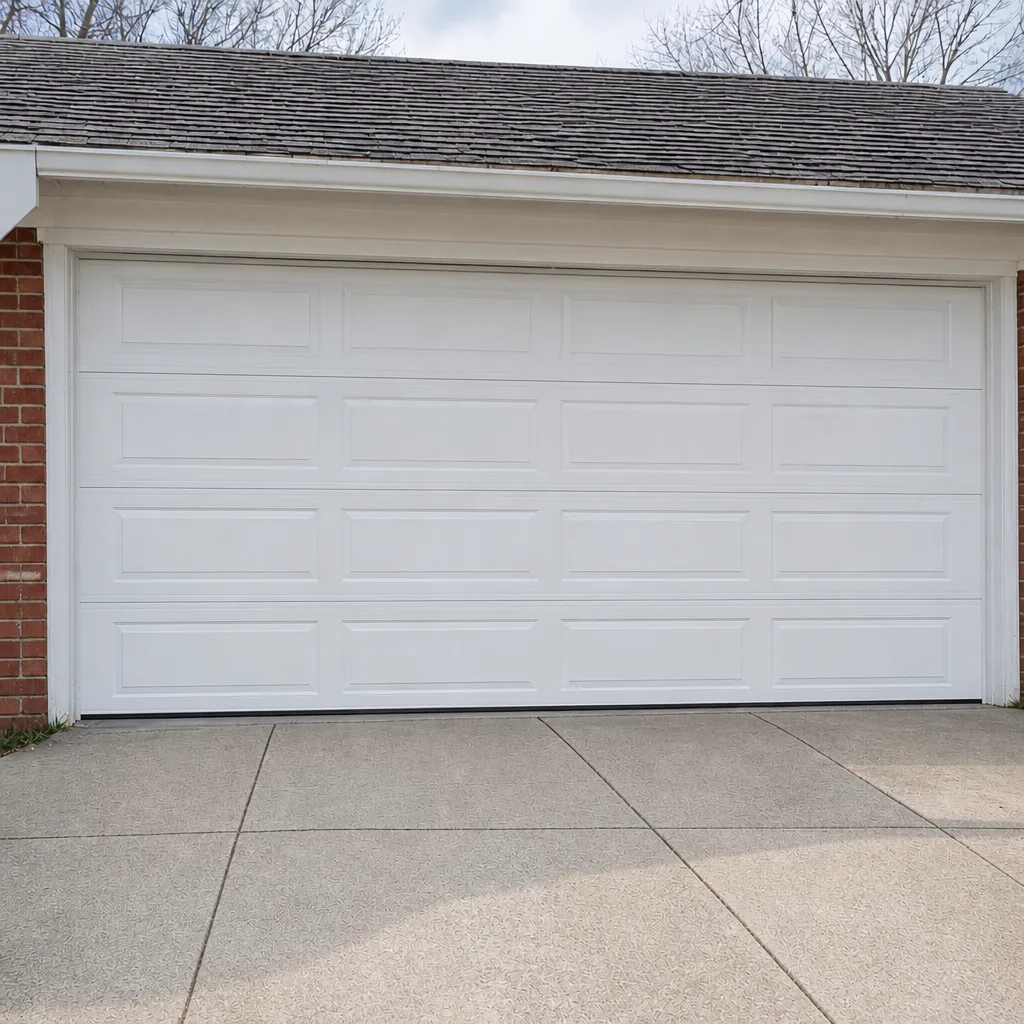
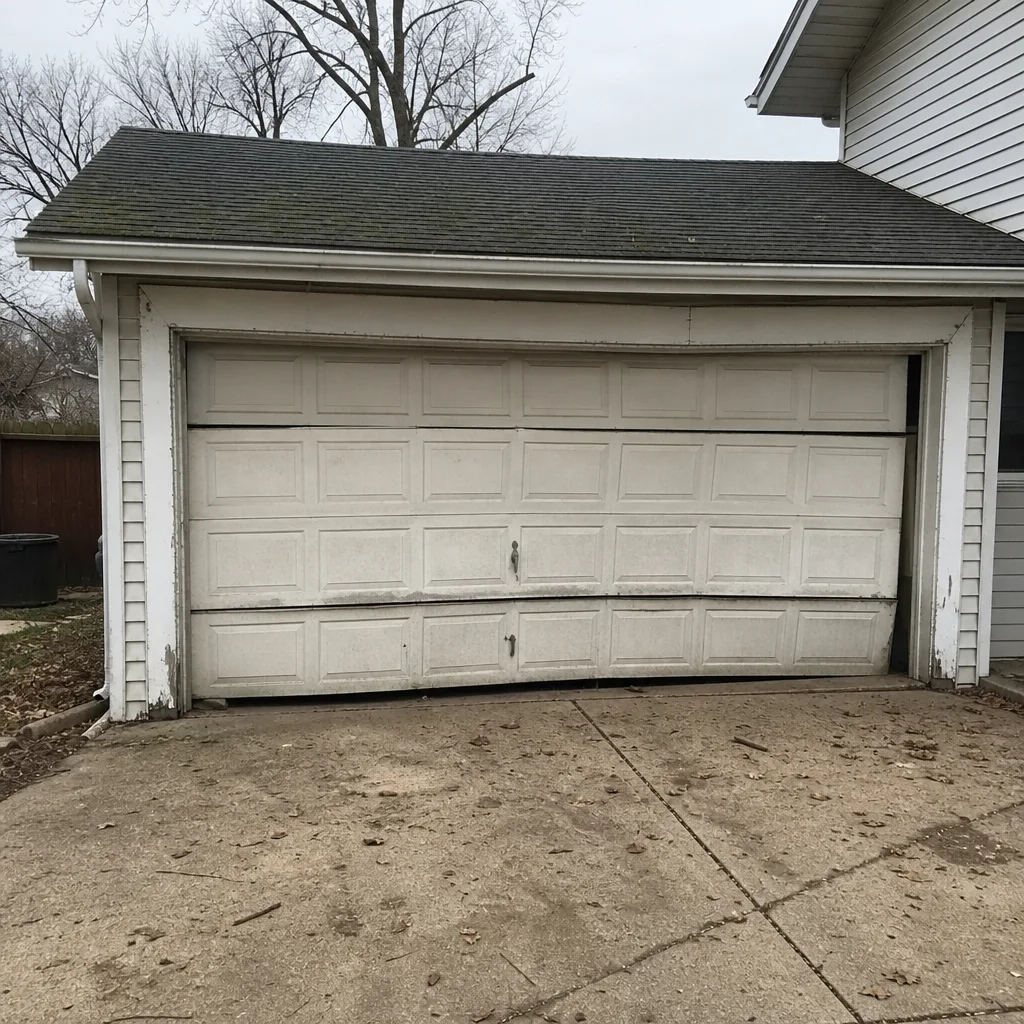
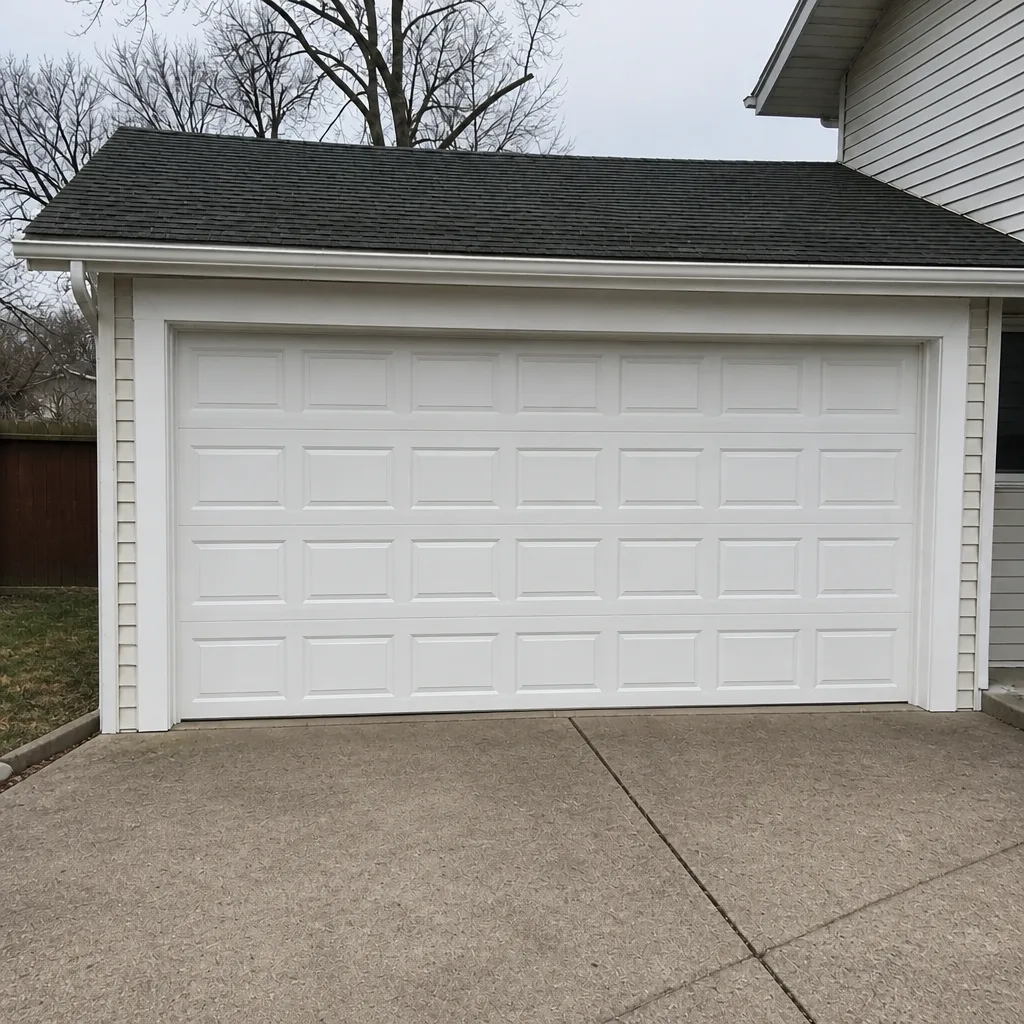
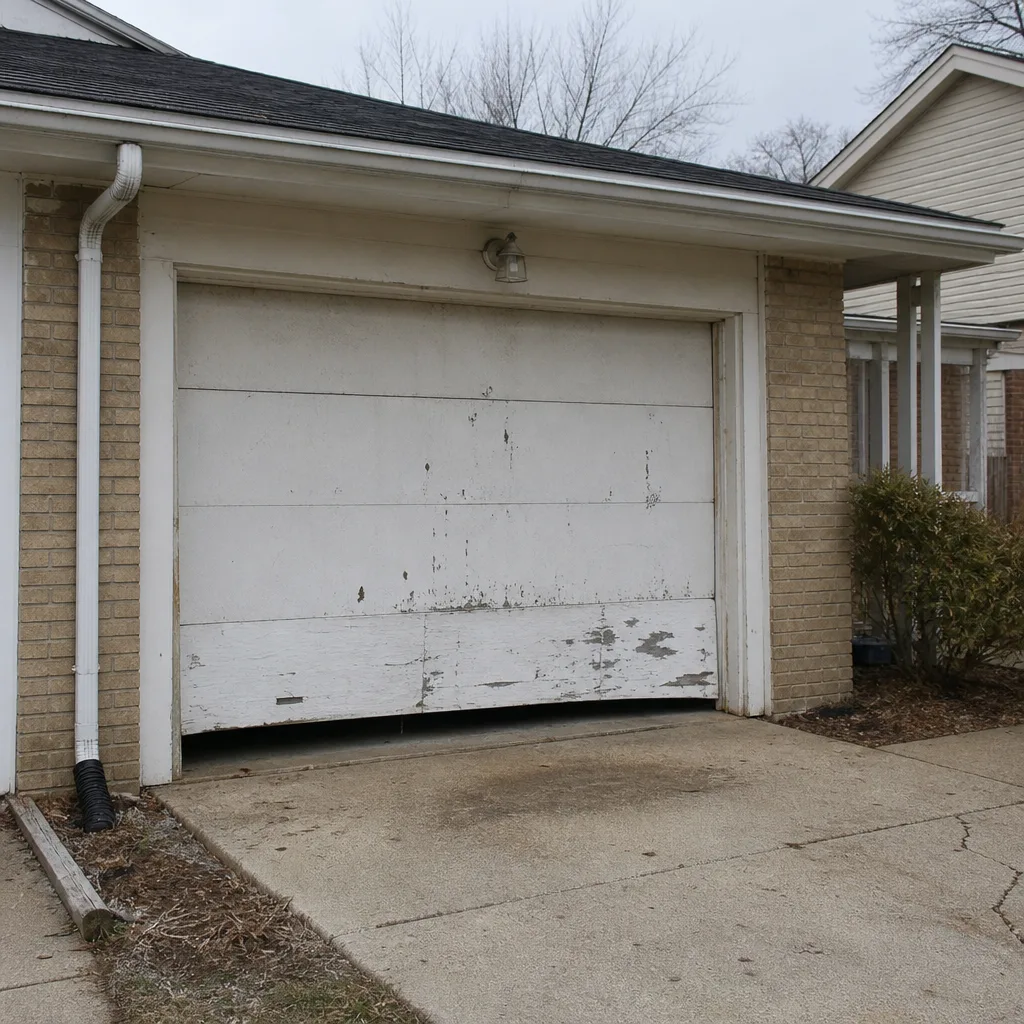
See the difference
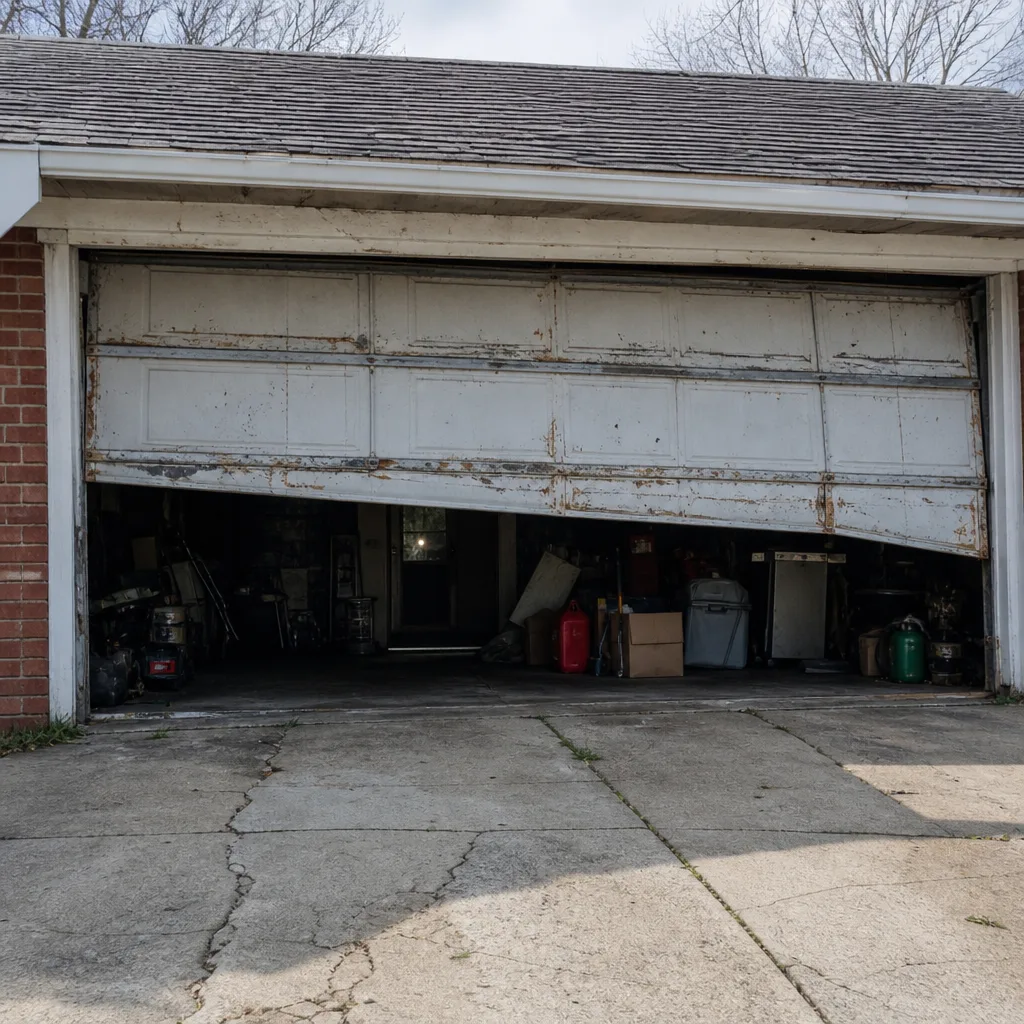 Before
 After
 Before
 After
 Before
 After
When to Call a Professional
Some garage door work is well within a homeowner’s reach: cleaning the tracks, wiping down the weatherstripping, clearing the photo-eye lens, testing the safety reverse. Other work requires training. Torsion springs under tension, opener force calibration, door balance adjustment, and any work that requires disconnecting structural components should always be handled by a trained specialist. That’s not gatekeeping – it’s a safety line.
Call a professional if any of the following describe your door:
- The door reverses on its own before touching the floor.
- The door is noticeably hard to lift by hand or won’t hold position when disconnected from the opener.
- You hear a loud snap or bang and the door is stuck or won’t open.
- The bottom seal has visible cracks, gaps, or uneven contact.
- The opener hesitates, strains, or sounds different than it did a season ago.
- A spring or its cables look bent, displaced, or unusually worn.
Beverly Garage Door Repair Pros offers free estimates in Beverly – call (888) 762-7611. We answer 24/7, and dispatch runs 7am-7pm, Sunday through Friday. Our technicians have up to 11 years of experience in garage doors specifically, not split across unrelated trades. We work on LiftMaster, Chamberlain, Genie, Clopay, Amarr, Wayne Dalton, Craftsman, and Raynor systems, and we diagnose by brand logic on every call. If you’re not sure what’s wrong, we can tell you before you commit to a fix – same visit, one quote, agreed price before work starts.
Frequently Asked Questions
October. The fall window is the last chance to restore spring lubrication, check balance, and inspect weatherstripping before the cold stress of winter begins. Most of the failures we see in January could have been prevented with a fall maintenance pass. The estimate is free – call (888) 762-7611 for a fall checkup.
The bottom seal typically needs replacement every 3-4 years and perimeter weatherstripping every 4-5 years, which is shorter than the national average. The wider the local temperature swing, the faster the rubber hardens and loses compression memory. If the seal on your door is more than three winters old, it’s worth a look this fall.
Some seasonal variation is normal, but a door that feels noticeably heavier by July than in March has drifted out of balance. Heat changes spring tension and door panel expansion, and the door that was calibrated in spring needs recalibration in summer. Call (888) 762-7611 – estimate is free.
You can test the safety reverse safely, but adjusting the force setting without a manual or training is a real risk. Raising the force setting to fix erratic behavior can disable the safety reverse entirely, and that’s the feature that protects anyone standing under the door. Test the reverse first; if a problem exists, let a specialist adjust it. Free estimates in Beverly, call (888) 762-7611.
Cold mornings thicken lubricant, stiffen weatherstripping, and slightly increase the door’s lifting resistance – all of which can push a marginal force setting past its limit. The door detects resistance, reverses for safety, and repeats. This is usually a force calibration issue, not a mechanical failure, but the fix requires the door to be re-calibrated properly. Call (888) 762-7611 for a diagnosis – the estimate is free.
It prevents most of them, but it can’t extend the life of a spring beyond its fatigue limit. What good maintenance does is prevent the accelerated wear that comes from an under-lubricated, unbalanced door. Well-maintained springs last longer than neglected ones, and the failure point shifts from a preventable mid-winter break to a scheduled replacement that you plan for. That’s a better outcome either way.
Yes. Any concrete that isn’t sealed will expand and settle with repeated freeze-thaw, and alley-grade concrete tends to see more movement than a protected driveway. The result is that a door whose bottom seal made clean contact in November can have a visible gap by February. That’s not a defect – it’s the climate doing its work, and it’s why spring alignment checks matter.
Dispatch runs 7am-7pm, Sunday through Friday. We answer 24/7, and a call outside dispatch hours is booked into the next opening. Free estimates in Beverly – call (888) 762-7611.
The Bottom Line
Seasonal garage door care in Beverly isn’t about preparing for winter – it’s about managing a four-phase climate cycle that stresses the door’s mechanical system in a predictable order. Summer degrades lubricant and calibration, fall leaves metal vulnerable, winter exposes every gap, and spring reveals the misalignment. The maintenance window that matters most is October: lubricate the springs, check the balance, inspect the weatherstripping, and test the safety reverse before the cold arrives. Summer and spring are the recalibration windows, and winter is the check-in window when you watch for gap-opening and behavior change. Every door that fails in January failed along a chain that started in August. Seasonal care works backward from that chain, and it’s the reason a well-maintained door in Beverly stays in service year after year. When something looks off – or when you just want a routine seasonal inspection – the first call is the cheapest fix. Our team at Beverly Garage Door Repair Pros handles repair, spring work, opener diagnostics, and full installation, so nothing gets handed off.
Call (888) 762-7611 for a free estimate. We answer 24/7. Fast dispatch from 7am to 7pm, Sunday through Friday. Same-day service available for urgent repairs.
Written by the team at Beverly Garage Door Repair Pros.