
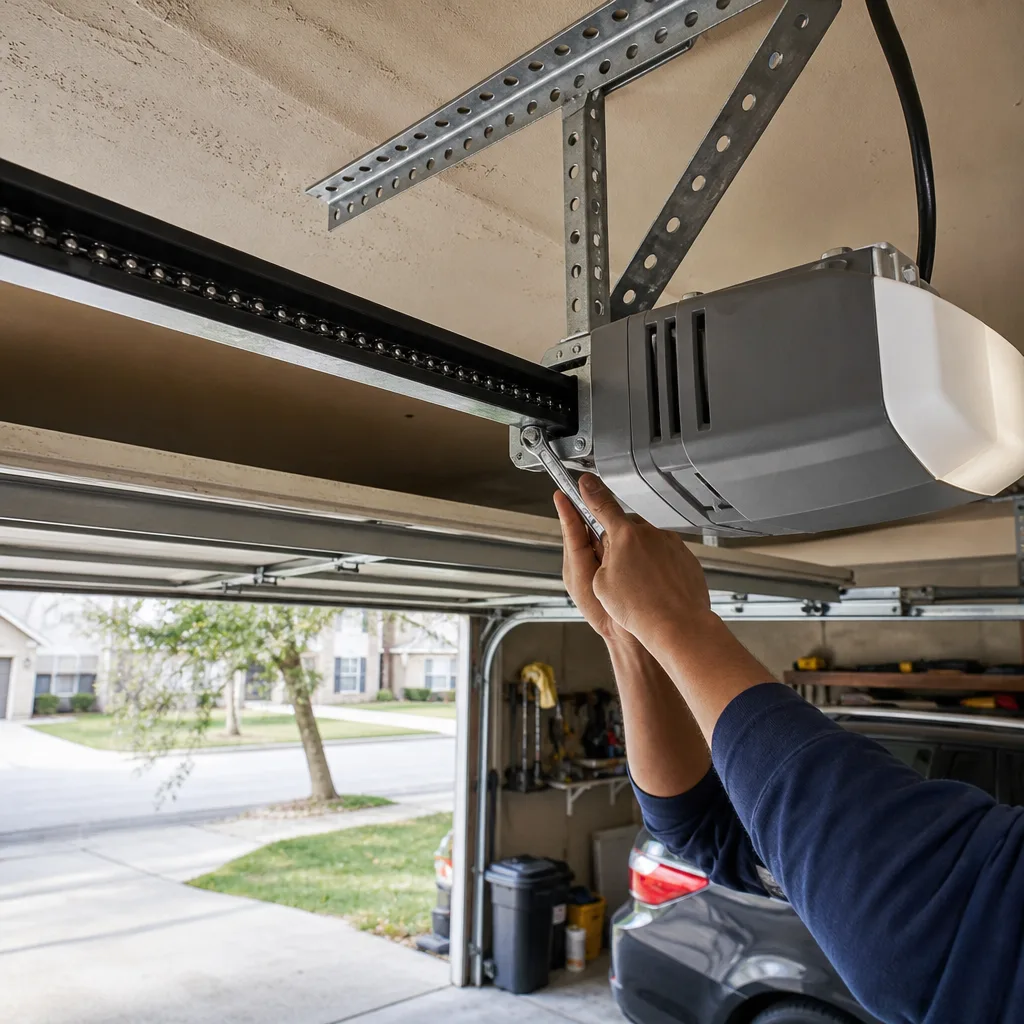
Last updated November 21, 2026
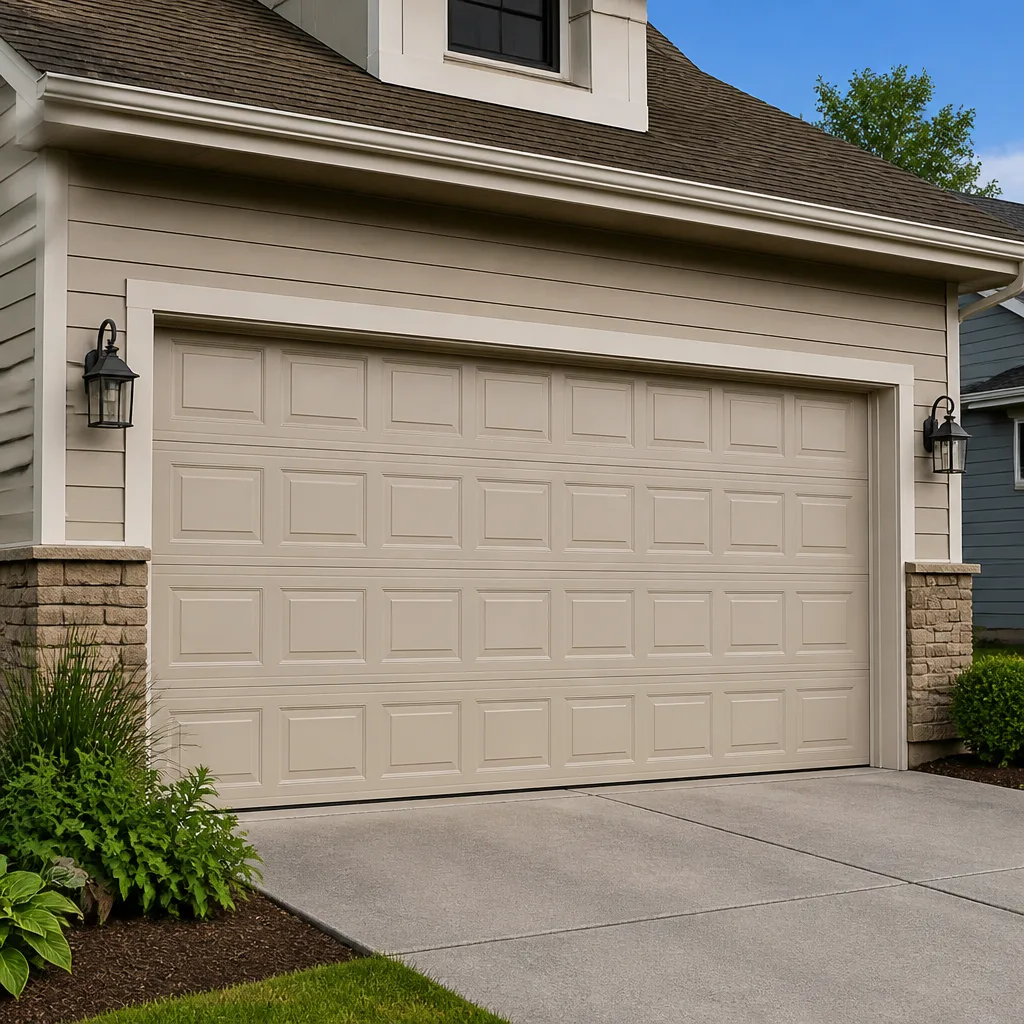 Raised-panel steel
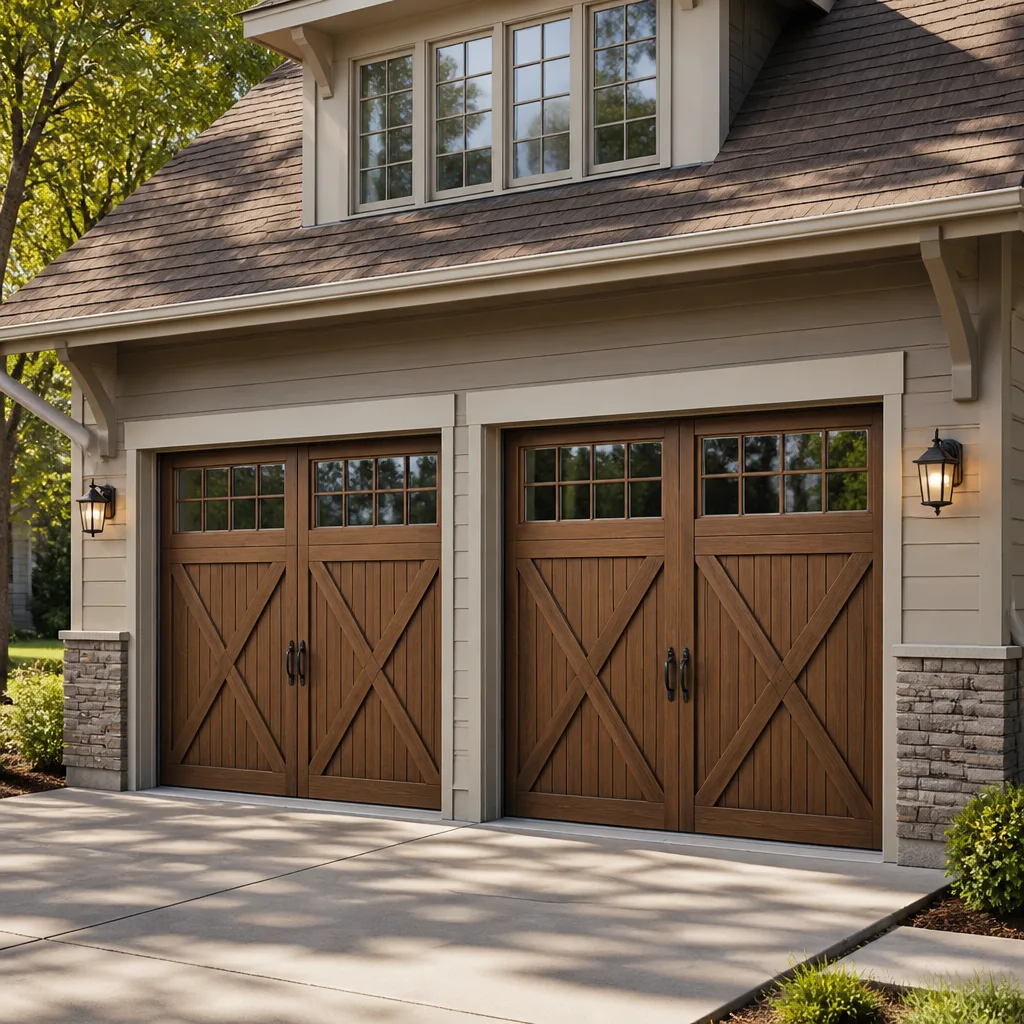 Carriage house
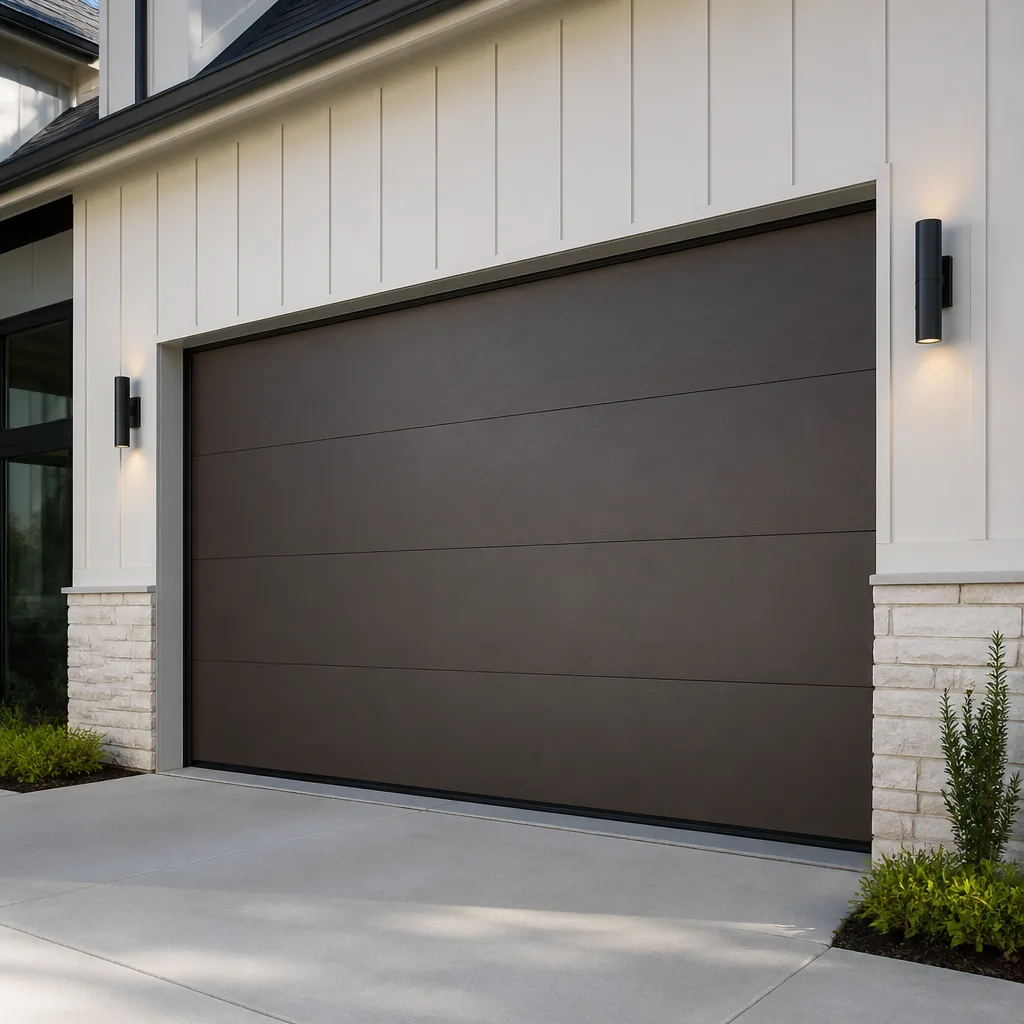 Modern flush
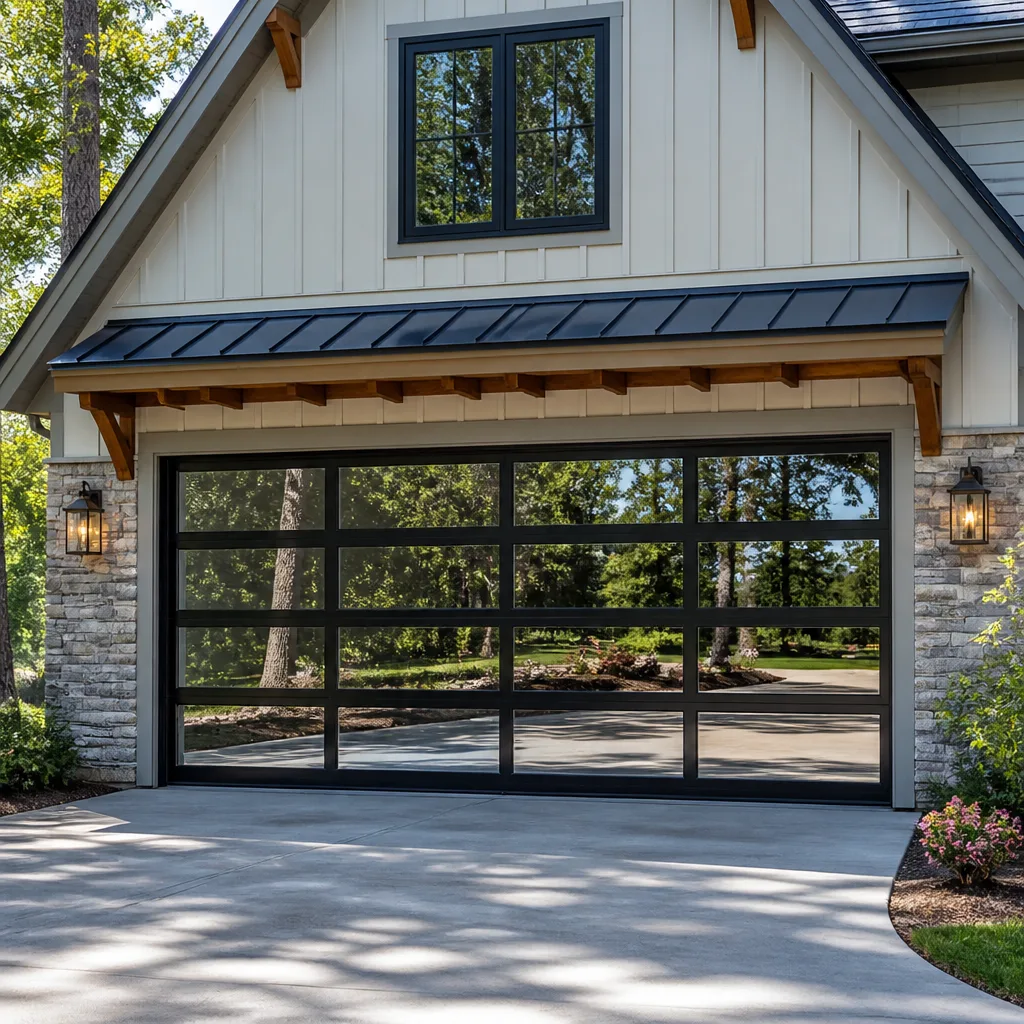 Full-view glass
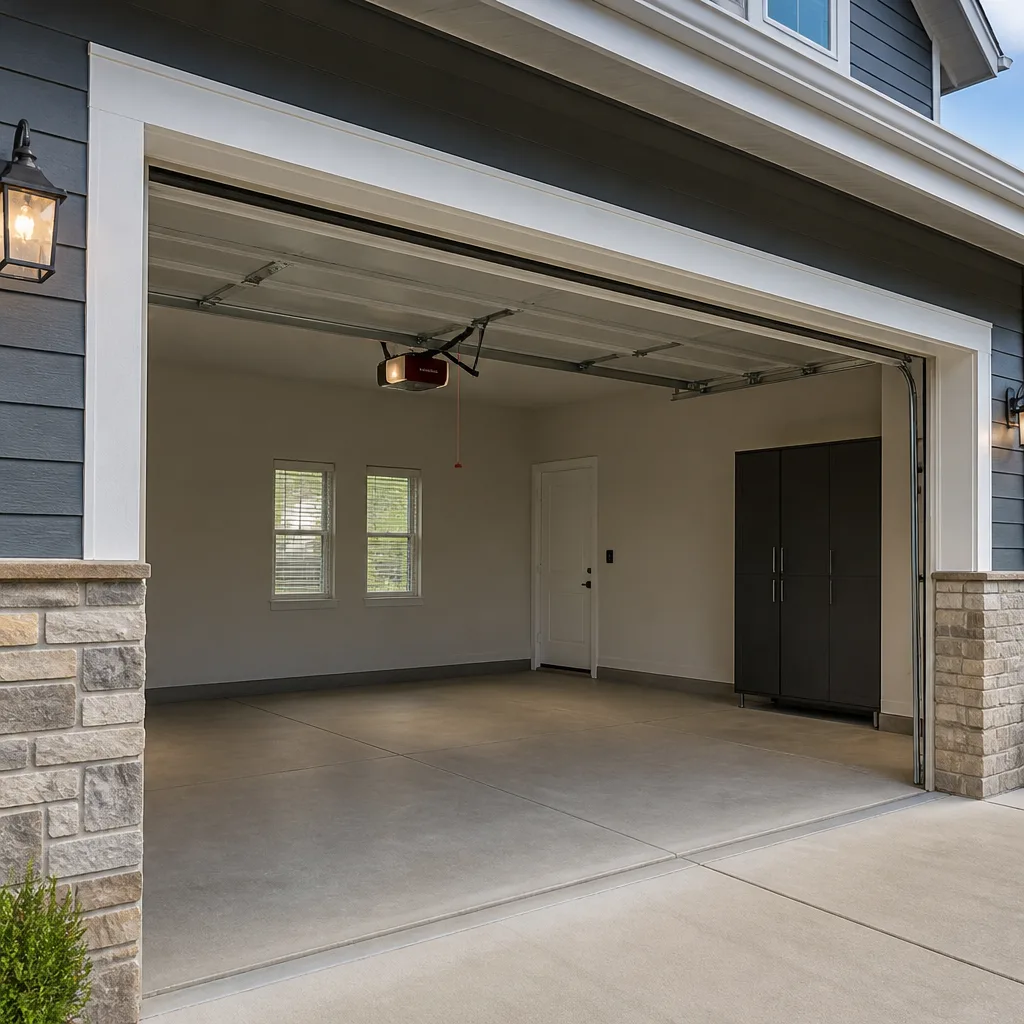 LiftMaster openers
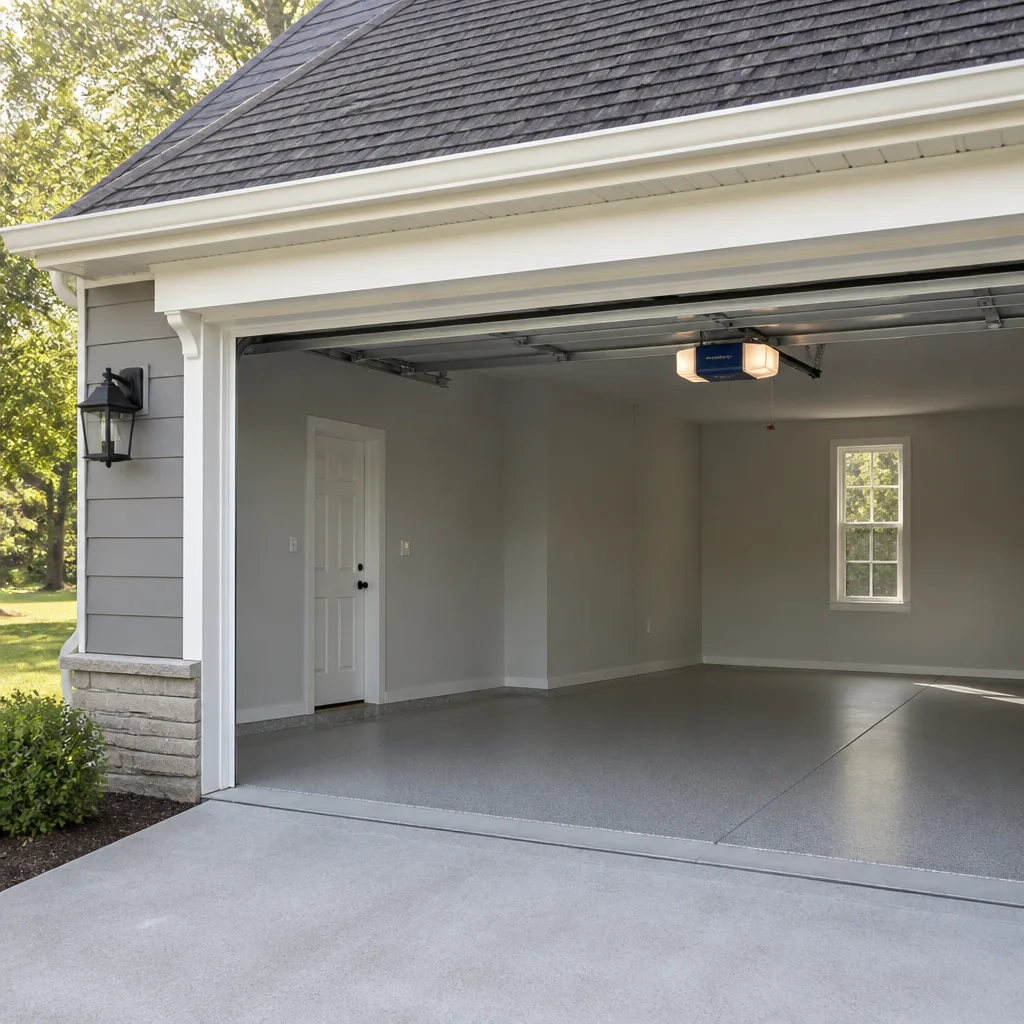 Chamberlain openers
Full 25-point door and opener safety check with every visit - springs, cables, rollers, tracks, and your LiftMaster or Chamberlain opener included
You get a price before we start. It does not change when the pro arrives.
Get your free estimateDIY vs Professional Garage Door: The Beverly Homeowner’s Decision Guide
A wound torsion spring stores roughly 100 foot-pounds of torque. The homeowners who get hurt working on garage doors aren’t usually unskilled; they’re capable DIYers who’ve handled plenty of repairs around the house and simply didn’t account for what happens when a winding bar slips. That’s not a confidence problem. It’s a force problem, and force doesn’t care how handy you are.
We work on garage doors in Beverly every week, and we get the same question in different words: which fixes are actually worth doing myself? This guide draws the line clearly. You’ll find a task-by-task breakdown into safe DIY, DIY-possible with the right tools, and strictly professional work, plus how Beverly’s older garages change the math. Skip the guesswork and you’ll save money where it’s real and avoid the jobs that can hurt you.
Quick Answer
Some garage door work is genuinely safe to handle yourself – lubricating moving parts, cleaning and testing the safety sensors, replacing a worn bottom weather seal, tightening loose track bolts. Anything involving torsion springs, extension springs, or the cables under tension is professional-only regardless of your skill or confidence. Track alignment, roller replacement, and opener logic-board work fall in a middle zone where the right tools and a clear understanding of the tension load decide whether DIY is reasonable.
Styles & brands we work with
- Raised-panel steel
- Carriage house
- Modern flush
- Full-view glass
- LiftMaster openers
- Chamberlain openers
Table of Contents
- The Three Categories Every Garage Door Repair Falls Into
- Why Torsion Springs Are Professional-Only: The Physics That Skill Can’t Beat
- Extension Springs: A Different Risk, Same Rule
- The Mid-Tier Repairs: When DIY Is Possible and When It Isn’t
- The Cost Math: When Professional Service Is the Obvious Call
- Tools for Mid-Tier Jobs: What a One-Time Purchase Actually Costs
- How Beverly’s Older Housing Stock Changes the DIY Equation
- When to Stop and Call a Specialist
The Three Categories Every Garage Door Repair Falls Into
Before any repair, ask which category the job belongs to. Most homeowners skip this step and treat every problem the same way – either fixing everything themselves or calling for the smallest thing. Both approaches cost more than they should.
Category 1: Safe for Most Homeowners
These tasks carry no stored-energy risk and need nothing more than basic hand tools. You can do them without special training:
- Lubricating hinges, rollers, and the torsion spring’s coil (a garage door specialist spray, not WD-40)
- Cleaning the photo-eye sensors and checking they’re aligned
- Testing the auto-reverse safety feature with a small object
- Replacing a bottom weather seal if the old one is cracked or flattened
- Removing surface rust from steel panels and touching up the paint
- Tightening loose hinge screws and track bolts
- Replacing a remote battery or resetting a keypad code
Category 2: DIY-Possible With the Right Tools and a Clear Understanding
These are the gray-zone jobs. They don’t require manipulating a wound spring, but they involve tension, alignment, or electrical work that produces expensive mistakes when done wrong:
- Straightening a bent track section (the door must be fully closed and the spring tension released first)
- Replacing worn nylon rollers (no spring tension, but the door needs bracing)
- Re-threading a loose cable – only possible when the spring is already de-tensioned, which usually means the spring itself is a professional job
- Replacing a logic board on a Chamberlain or Genie opener (the power must be disconnected, and wiring mistakes cost more than the board)
- Adjusting track-to-wall brackets for a door that drags
Category 3: Professional-Only, Regardless of Skill
No tool purchase, no video, and no experience level changes these. The stored energy alone makes them unsafe for anyone without the training and the right control equipment:
- Replacing torsion springs (one or both)
- Replacing extension springs
- Replacing or re-tensioning any lift cable
- Replacing a snapped or bent center bearing plate
- Adjusting or replacing the bottom bracket, which anchors the cable
- Replacing the entire door
If you remember nothing else from this guide: the line between Category 2 and Category 3 is the line between a weekend project and an emergency room visit. When in doubt, that line is a call to a specialist. Reach us at Beverly Garage Door Repair Pros and we’ll tell you which category your repair falls in before anyone touches the door.
Why Torsion Springs Are Professional-Only: The Physics That Skill Can’t Beat
A torsion spring stores energy by being wound around a steel shaft above your door. When a technician winds it, they’re compressing roughly 100 foot-pounds of torque into a coil the size of your forearm. That energy sits there the entire time the door is closed. When the spring snaps, it releases all of it in a fraction of a second.
This is why the injury stories you hear aren’t about beginners. Experienced DIYers who’ve done brake jobs and framing pick up a winding bar and assume the learning curve is short. It looks straightforward on video. The problem is that one hand slips at the wrong moment and the bar whips free. There’s no recovery move.
What Actually Makes It Dangerous
- The winding process is the risk, not just the failure. Even a spring that’s about to snap only hurts you if you’re holding a winding bar at that moment. The danger is the controlled release of energy during install and adjustment.
- The spring is contained in a metal shaft above head height. When it lets go, coiled fragments and the freed bar move unpredictably.
- You can’t gauge remaining life by looking. A spring can look perfect right up to the second it fails. Neither you nor an experienced technician can tell a spring one day from failure apart from one with years left.
- A proper repair requires matching wire diameter, inside diameter, and length exactly. Putting in a spring of the wrong spec accelerates wear on the opener and the door hardware.
This is why spring repair is a named service and not a line item on a general handyman’s menu. Our technicians work on torsion springs every week, and they use the specific winding bars, cable clamps, and safety techniques the job requires. If your spring has snapped – and you’ll know because the door won’t lift or drops with a bang – stop pulling the manual release. Leave it down. Call us and we’ll dispatch a specialist. On that call, use garage door repair for anything spring-related in Beverly.
Extension Springs: A Different Risk, Same Rule
Older Beverly garages, especially those attached to homes from the postwar decades, often still have extension springs running parallel to the horizontal tracks on each side of the door. They’re easier to reach than torsion springs, and that draws a lot of DIY interest. They carry a different hazard: when an extension spring fails, the spring itself can fly toward whatever is in its path, and if a safety cable isn’t in place, the door can drop hard.
Extension springs stretch to hold the door, and the safe way to release one is a controlled process that requires the door to be fully open, the correct C-clamps to lock the door in place, and a clear understanding of how the pulley and cable interact. Unless every one of those steps is exactly right, the spring releases energy in a direction you can’t anticipate.
What Every Extension-Spring Door Should Have
- A safety cable threaded through the center of each spring so a failed spring is contained
- Cable clamps at both ends of each safety cable, tight and correctly positioned
- Pulleys that spin freely with no flat spots or cracks
- No kinks, rust-through, or stretched-out springs (a stretched extension spring is a warning sign of failure)
If you look up at the tracks and see bare extension springs with no safety cable, that’s a professional safety upgrade, not a weekend project. It’s also a strong reason to have a specialist look at the whole system. If the door opens but feels heavier than it used to, the spring is losing tension and heading for failure. That’s a call, not a repair. If you’re unsure which spring system you have, or you’ve already noticed the door opening unevenly, the team at garage door opener repair can diagnose it fast.
The Mid-Tier Repairs: When DIY Is Possible and When It Isn’t
The gray zone is where reasonable homeowners waste the most money and time, usually by tackling a job they could’ve done but without the right tools, or by hiring out a job they could’ve finished in an hour. Here’s how to sort each repair.
Track Alignment
DIY verdict: Usually possible with the door fully closed and no spring tension on the track. A bent track section that keeps the door from running smoothly can often be straightened with a rubber mallet and a straightedge, then re-bolted. The catch: if the track is bent near the curve at the top of the door’s travel, or if the wall brackets have pulled out of aging wood framing (common in Beverly’s older garages), the job moves to professional territory. Loosening a bracket you’re not sure is holding can drop track on top of the door.
Roller Replacement
DIY verdict: Possible for a confident homeowner, and often worth it since nylon rollers are cheap. The door must be fully closed with the spring tension held, one roller removed at a time while the hinge is braced. The risks are manageable if you follow the sequence exactly, but you’re working near moving hardware, and one mistake can misalign the door. If you’re replacing all rollers on a door with a large number of hinges, doing it once with a professional saves the guesswork.
Cable Re-Threading
DIY verdict: Not realistic. A cable only comes off the drum when the spring tension is gone, which means you’re already dealing with spring work. A re-thread without proper tension control risks a sudden snap of the cable across your hand. This always belongs in Category 3. A cable that has come off the drum means the door is un-counterbalanced; don’t try to lift it manually.
Opener Logic Board or Sensor Replacement
DIY verdict: Possible on Chamberlain and Genie models if you’re comfortable with low-voltage wiring and you’ve disconnected power at the breaker. The most common mistake is a wiring polarity error that kills the new board. If the opener is older and the board is no longer stocked, this becomes an instant call. On newer Wi-Fi-openers where the app won’t connect, the problem is often the logic board or the wall control, and a specialist can diagnose it by brand in minutes rather than having you guess.
Panel Replacement
DIY verdict: Professional. A single damaged panel on a Clopay or Amarr door can sometimes be swapped, but matching the profile, color, and manufacturing run takes the right supplier and the right tools. Panels weigh more than most homeowners expect, and a dropped panel is a bent track plus a damaged door.
The Cost Math: When Professional Service Is the Obvious Call
The economic case for DIY vs. a professional isn’t about your hourly rate; it’s about the cost of the job, the likelihood of a mistake, and the cost of that mistake if it happens. Here’s how the math breaks down for the most common repairs in Beverly.
| Repair | Typical Professional Cost | DIY Feasibility | Mistake Cost |
|---|---|---|---|
| Torsion spring replacement (one) | $180-$340 | Not safe | Injury or full hardware replacement |
| Torsion spring pair | About twice the single-spring range | Not safe | Injury or full hardware replacement |
| Extension spring (one) | $140-$250 | Not safe | Injury or door drop |
| Cable replacement (one side) | $130-$260 | Not safe | Injury or door drop |
| Opener repair (board or motor) | $150-$350 | Possible on older models | Replacement of the opener |
| Roller replacement (set) | $120-$220 | Possible with right tools | New track or hinge set |
| Track straightening | $100-$200 | Possible if tension-free | New track section |
| Weather seal | $80-$150 | Easy | None |
Where does the professional call become economically obvious? Think of it this way: if the cost of the repair is roughly the same as what it would cost you in tools and time, hiring out saves you the risk. Mid-tier repairs like roller replacement fall just above that line at a service-call price. Catastrophic repairs – spring, cable, whole-door issues – are professional-only at any price, because a mistake costs more than the job and can cost you a trip to the ER.
DIY is genuinely worth it on Category 1 tasks, which cost less than $50 in materials and are safe. On Category 2, DIY is reasonable if you already own the tools and you’re comfortable with the specific job. If you’re renting tools or buying them for a single use, the math tilts toward hiring out. For a job that feels borderline, ask us to give you a ballpark before you commit to either path. We’ll tell you straight whether your repair is a professional job. Estimate is free, and the price is set by the written estimate before any work begins.
Tools for Mid-Tier Jobs: What a One-Time Purchase Actually Costs
If you’re going to tackle a mid-tier repair, you need to be honest about what a proper toolkit costs. A homeowner with a good set of basics can do most Category 2 work. A homeowner who’s shopping for everything from scratch should compare the total against a service call before starting.
What You Actually Need for Category 2
- Winding bars (torsion only): $30-$60 for a pair. You won’t touch these unless a specialist is guiding you; skipping them means skipping the repair.
- C-clamps: $25-$40 for a pair of sturdy ones. Used to lock the door in place before releasing tension, which you’ll do on mid-tier jobs.
- Assorted hand tools: wrenches, sockets, screwdrivers. Most homeowners already own these; the cost is roughly $40-$80 if you’re filling gaps.
- A cordless drill/driver: $80-$150. Useful for track bolts and hinge screws, but not required if you already own one.
- Spray lubricant made for garage door hardware: $10-$15. The wrong lubricant attracts dust and shortens roller life.
- Replacement hardware (rollers, hinges): $30-$100 depending on the set. Brand-specific hardware often matches better.
That’s roughly $200-$400 in a first-time tool buy, before the parts. Compare that to a mid-tier repair that typically runs $120-$250 for a professional. The math is clear: if the tools are for a one-time use, hiring out is cheaper and safer. If you’re a homeowner who does a lot of home maintenance and will use the tools again, the purchase is reasonable.
One more factor: parts. If the repair needs a specific roller, hinge, or drum, matching the part to the brand matters. We work on Chamberlain, Genie, Clopay, and Amarr systems commonly, and we diagnose by brand logic rather than guessing. If you’re dealing with a brand-specific opener or an older door, having a specialist look first often saves the cost of buying the wrong part twice.
How Beverly’s Older Housing Stock Changes the DIY Equation
Not every garage door in Beverly comes out of the same period. The older neighborhoods around the downtown core and the established residential blocks have garages that were built for a specific era of car and a specific era of door. Those garages usually don’t match the newer suburban layouts, and that changes which repairs are safe to DIY.
Low Headroom
A garage with a low ceiling doesn’t give you the height to safely stand beside a winding bar and control it. A low-headroom setup often uses a different spring configuration than the standard torsion system, and getting it wrong can damage the door or the opener. If you stand under your ceiling and can’t raise the door with your arms comfortably overhead, the space was also built tight for a reason: don’t assume a standard video sequence applies. This is a call a specialist makes.
Non-Standard Track Configurations
Older Beverly garages often have track shapes that haven’t been manufactured for decades. That’s fine as long as the door runs smoothly. It becomes a problem the moment you need replacement hardware, because what’s on the door won’t match what big-box stores stock. A specialist who services old doors will know what to source, whereas a homeowner buying a standard track section is likely to find it doesn’t align. The mid-tier track work that would’ve been DIY-safe on a newer door becomes a professional job on these doors.
Framing That’s Seen Some Weather
Beverly’s freeze-and-thaw cycles put real stress on garage framing and the wall brackets that hold the tracks. When you loosen a track bracket to make an alignment adjustment, the lag bolts may not re-seat into softened or cracked wood the way they should. A specialist who’s seen this many times will check the framing before adjusting a track, which prevents a quiet problem from dropping a door later.
Legacy Openers
Older doors often have legacy Genie or Craftsman openers. Those are durable units, but they’re serviced differently than a modern LiftMaster or Chamberlain. Their limit switches and force settings need manual adjustment, and a DIY owner adjusting them without a reference point can burn out the motor. We repair those legacy units commonly, and it’s often more economical than the homeowner expects once the right diagnosis happens.
None of this means your older Beverly garage requires more work; it means it requires more brand and system knowledge before touching it. That’s what we do best.
When to Stop and Call a Specialist
The right answer to the DIY vs. professional question comes down to one question: what’s the worst-case outcome if the job goes wrong? If the worst case is a bent track section or a stripped bolt, DIY may be worth the risk. If the worst case is injury, that’s the wrong risk to take. Garage door repairs are one of the few standard home projects where skill doesn’t fully mitigate the hazard, because the energy stored in the springs is significant enough to overpower a careful person.
Here’s when to call, no question:
- The door won’t open, and the spring looks snapped or slack
- The door is visibly off its track
- A cable has come off the drum
- The bottom bracket or bearing plate is bent or missing bolts
- A safety cable is missing on an extension-spring door
- The opener runs but the door doesn’t move, or the door reverses without reason
We know firsthand what happens when a homeowner pushes through a spring repair they thought they could handle, and we’d rather talk you out of it than see you in the ER. That’s why we take calls for spring problems without a wait.
Beverly Garage Door Repair Pros offers free estimates in Beverly. Call (888) 762-7611 for a free estimate. We answer 24/7. Fast dispatch from 7am to 7pm, Sunday through Friday, closed Saturday. If your door is down right now, call and we’ll get you back in service today.
Common Mistakes to Avoid
- Buying a spring without matching the spec. A spring of the wrong wire diameter wears out your opener and other hardware within a few months. The measurements matter, and a professional who services multiple brands knows this instinctively. Match, wire for wire, or hire the job.
- Pulling the manual release and walking away from a snapped spring. The door can drop the moment the tension release is pulled on a broken-spring door, and that’s when people get hurt. Leave the door down and call for a specialist in Beverly.
- Trying to adjust track brackets on a garage with older framing. The wood framing around many Beverly garages has seen decades of freeze-thaw cycles, and lowered lag bolts may not reseat. Loosening a bracket you’re not sure will hold risks the door dropping on top of you.
- Replacing rollers one at a time without bracing the door. The door can shift when a hinge comes loose, and the shift can pinch fingers or damage the hinge. Follow the full sequence – braces first, one roller at a time.
- Replacing a logic board without disconnecting the opener at the breaker. The board can fry on the first reconnect, and the replacement costs more than the original repair. Power down fully, every time.
- Skipping a safety cable on an extension-spring door. A failed extension spring with no safety cable can fly toward whatever’s in the garage and drop the door. If you look up and see bare springs, call a specialist.
- Throwing a DIY lubricant on the spring and tracks. The wrong lubricant attracts grit, which accelerates wear on rollers and hinges. Use a garage-door-specific spray.
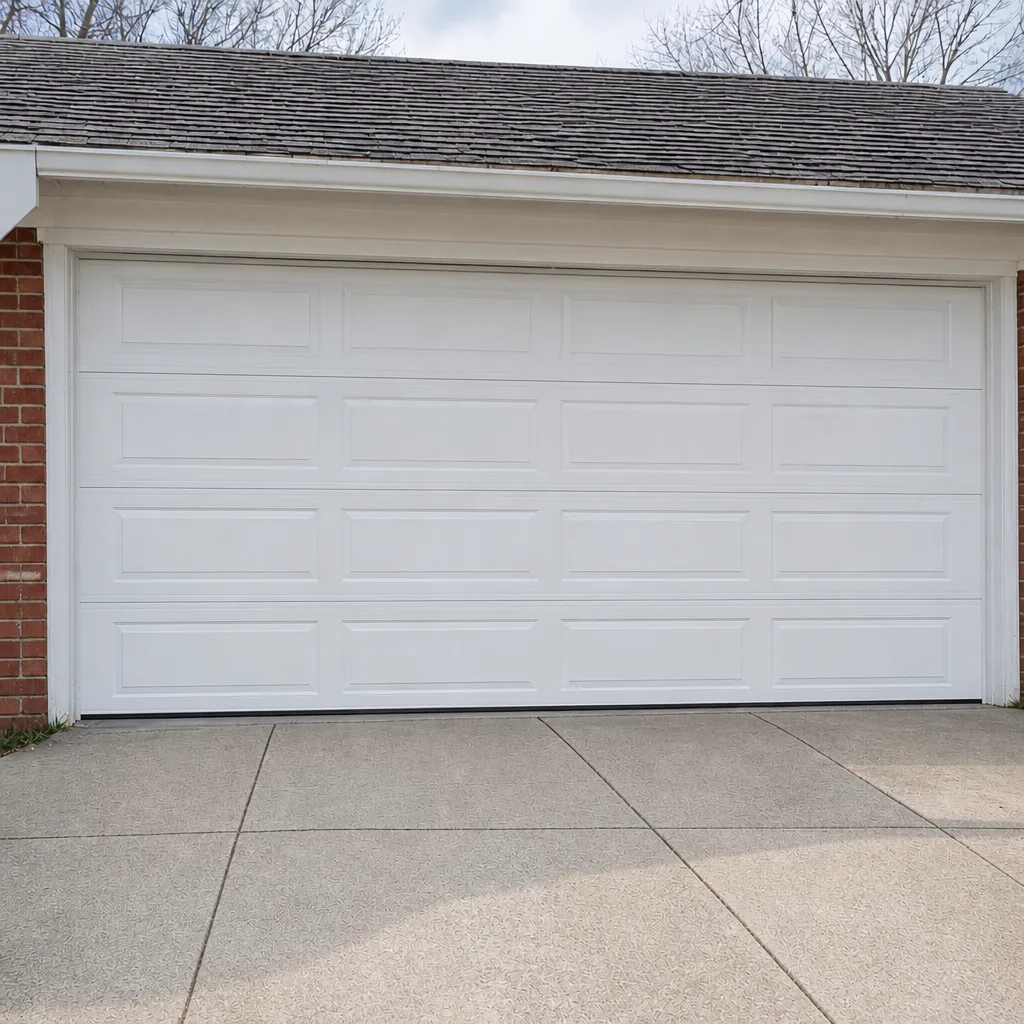
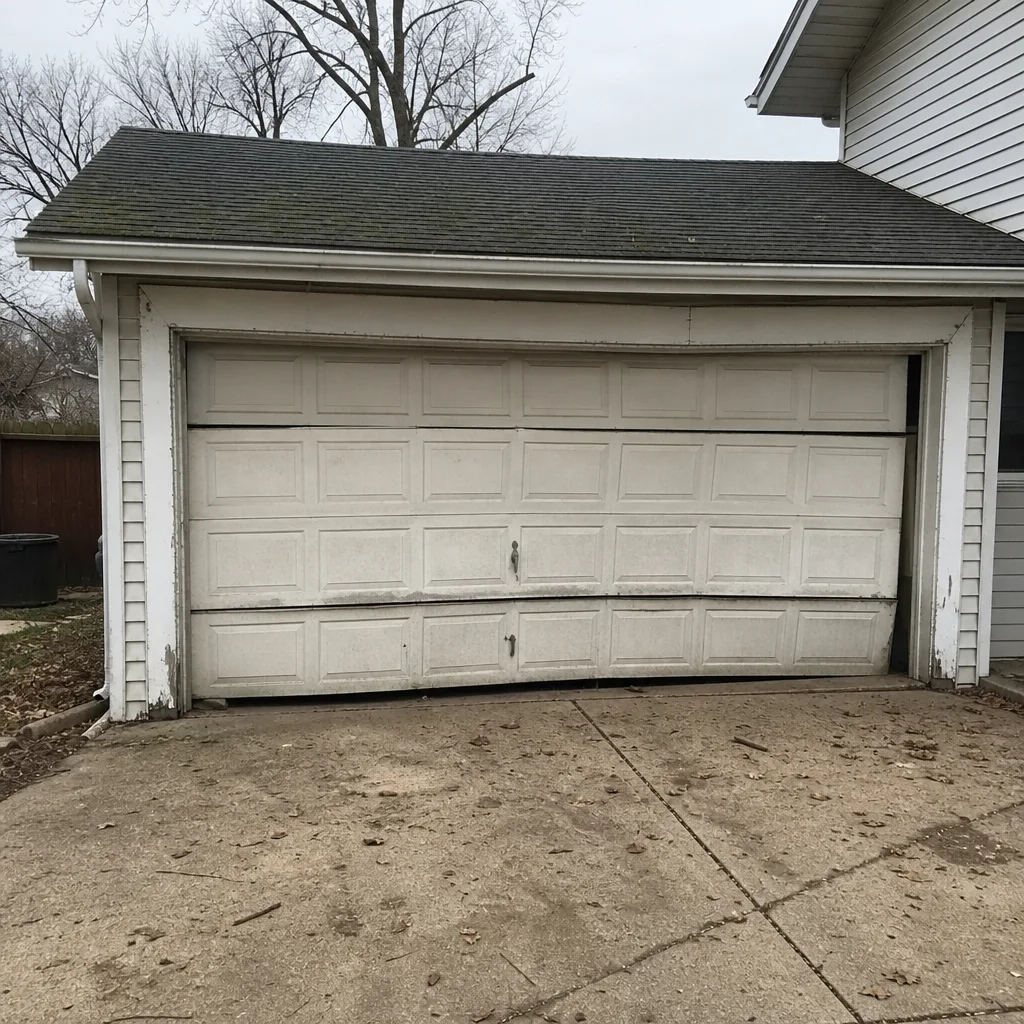
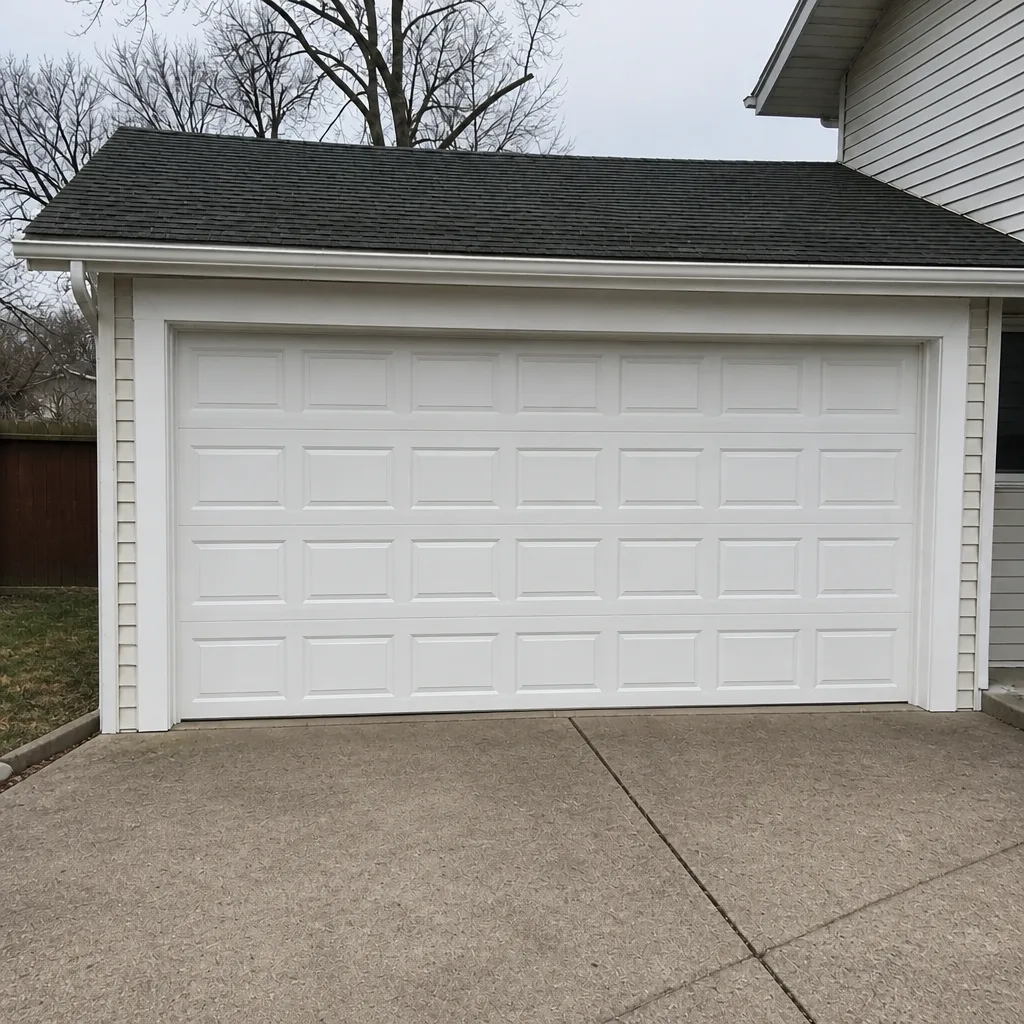
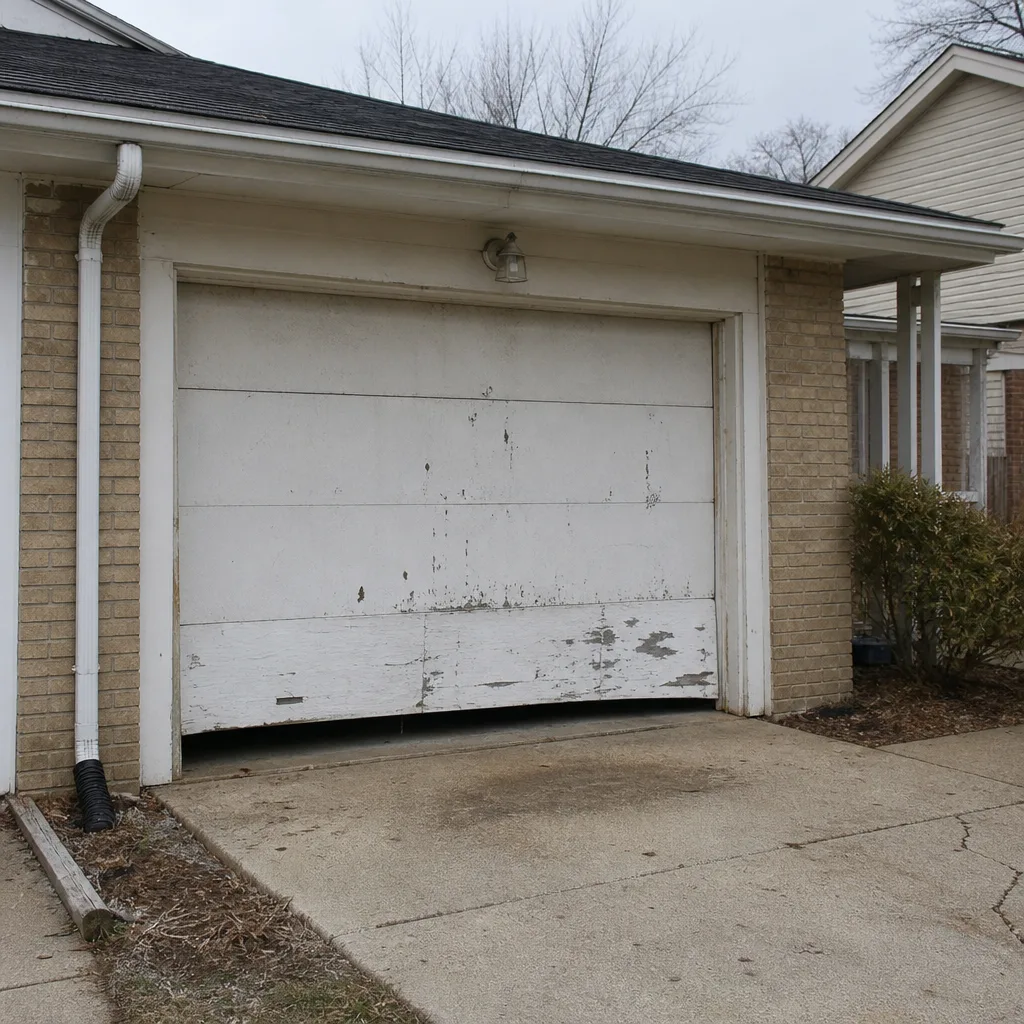
See the difference
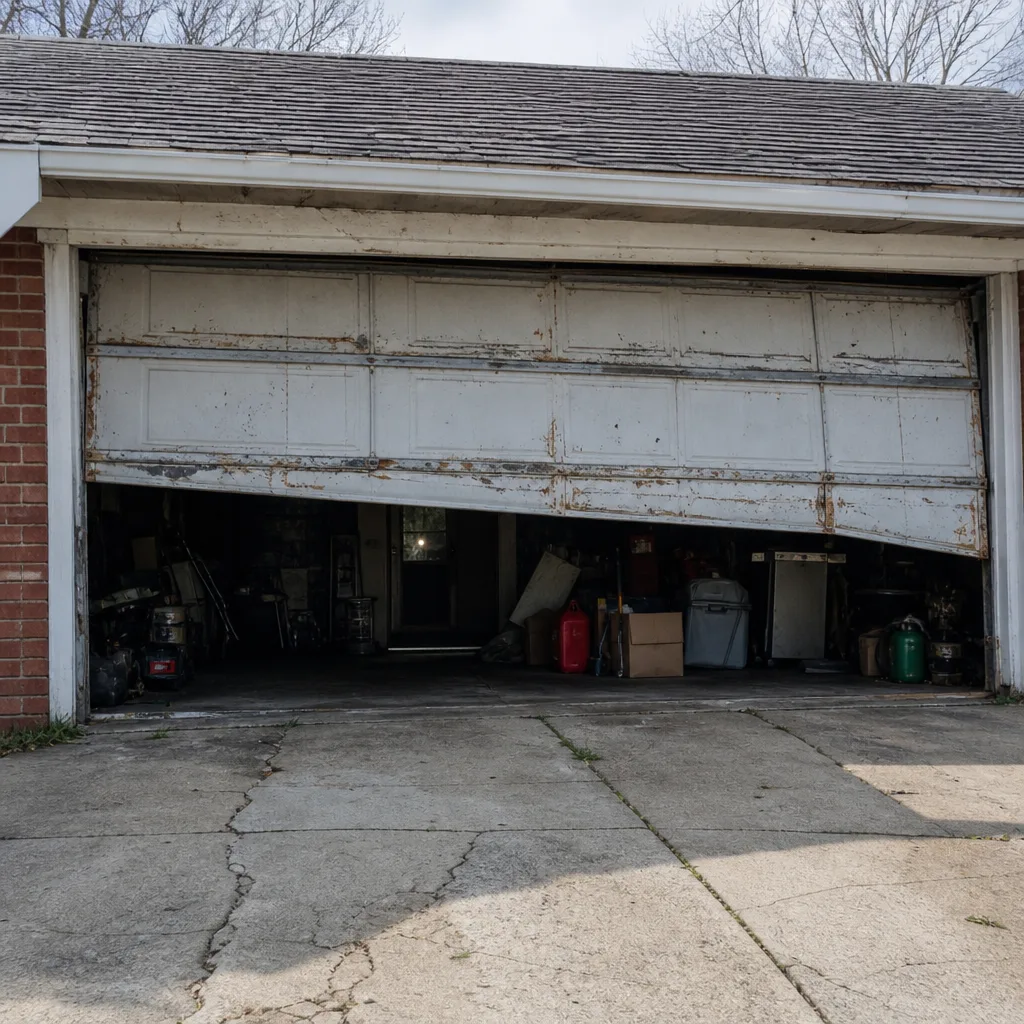 Before
 After
 Before
 After
 Before
 After
When to Call a Professional
Call a specialist the moment your repair involves torsion springs, extension springs, lift cables, or the bottom bracket. These aren’t confidence issues; they’re physics issues. Also call if the door has come off its track, the opener runs without moving the door, or the door reverses mid-travel. A garage door in Beverly that’s off its track or has lost a cable is un-counterbalanced and unsafe to operate manually. Our technicians have up to 11 years of experience diagnosing by brand, and we work with the manufacturer’s logic rather than guessing. We offer free estimates in Beverly, so there’s no risk in getting a professional opinion before you commit to either route. Call (888) 762-7611. We answer 24/7, with fast dispatch from 7am to 7pm, Sunday through Friday.
Frequently Asked Questions
No. Torsion and extension springs store energy under load that can release without warning, and the risk of serious injury is real regardless of skill or experience. A trained professional uses specific winding bars and controlled release techniques that make the job safe. Call (888) 762-7611 for a free estimate on spring repair in Beverly.
Safe DIY work includes lubricating hinges and rollers, cleaning and testing the safety sensors, replacing a bottom weather seal, tightening loose bolts, and replacing a remote battery. Anything that touches spring tension, cables, or the bottom bracket belongs to a professional. If you’re unsure which category a repair falls in, call us – we’ll tell you before you touch anything.
Typical repairs run $100-$350 depending on the task. Spring replacements run $180-$340 for a single spring, cable replacements $130-$260, opener repairs $150-$350, and roller or track work $100-$220. These are estimates, and the written estimate you receive before any work begins sets the final price. Call (888) 762-7611 for an exact quote – estimates are free.
Often yes, unless you already own the tools. A first-time tool purchase for a mid-tier repair runs $200-$400, while the repair itself typically costs $120-$250 for a professional. If you’ll use the tools again, DIY can save money on Category 2 jobs. For one-time repairs, hiring out is usually cheaper and safer.
Yes. We work on Chamberlain, Genie, Clopay, Amarr, LiftMaster, Wayne Dalton, Craftsman, and Raynor systems regularly, and our technicians diagnose by brand logic rather than guesswork. If you tell us the brand and the failure description on the phone, we can often point straight to the probable cause before an appointment. Call (888) 762-7611.
Call us. We answer the phone 24/7. We’re closed Saturdays, so we’ll book you into the next opening, which is Sunday, 7am-7pm, and get you back in service fast. Don’t try to operate a door with a failed spring or a cable off its drum in the meantime – leave it down.
The Bottom Line
The DIY vs. professional garage door question isn’t about whether you’re capable enough; it’s about which jobs the physics lets you do safely. Lubricating moving parts, testing sensors, replacing weather seals, and tightening bolts are safe for most homeowners. Track alignment, roller replacement, and opener logic-board work are genuinely possible with the right tools, and worth doing yourself if you already own them. Torsion and extension springs, lift cables, and the bottom bracket are professional-only at any skill level, because a slipped winding bar can hurt you in a way no amount of confidence prevents. In Beverly, older garages add one more layer: low headroom, non-standard tracks, and softer wood framing push more of the mid-tier work toward a specialist. When in doubt on a Category 2 job, call and ask. We’ll give you a straight answer and a free estimate, often without a visit.
If your door is down now, or you’re not sure which category your repair is in, call Beverly Garage Door Repair Pros. We’ll tell you what it actually needs, and we’ll quote the price before anything moves. Call (888) 762-7611 for a free estimate. We answer 24/7. Fast dispatch from 7am to 7pm, Sunday through Friday. For full replacement planning, see our garage door installation guide.
Written by the team at Beverly Garage Door Repair Pros.