
Last updated November 21, 2026
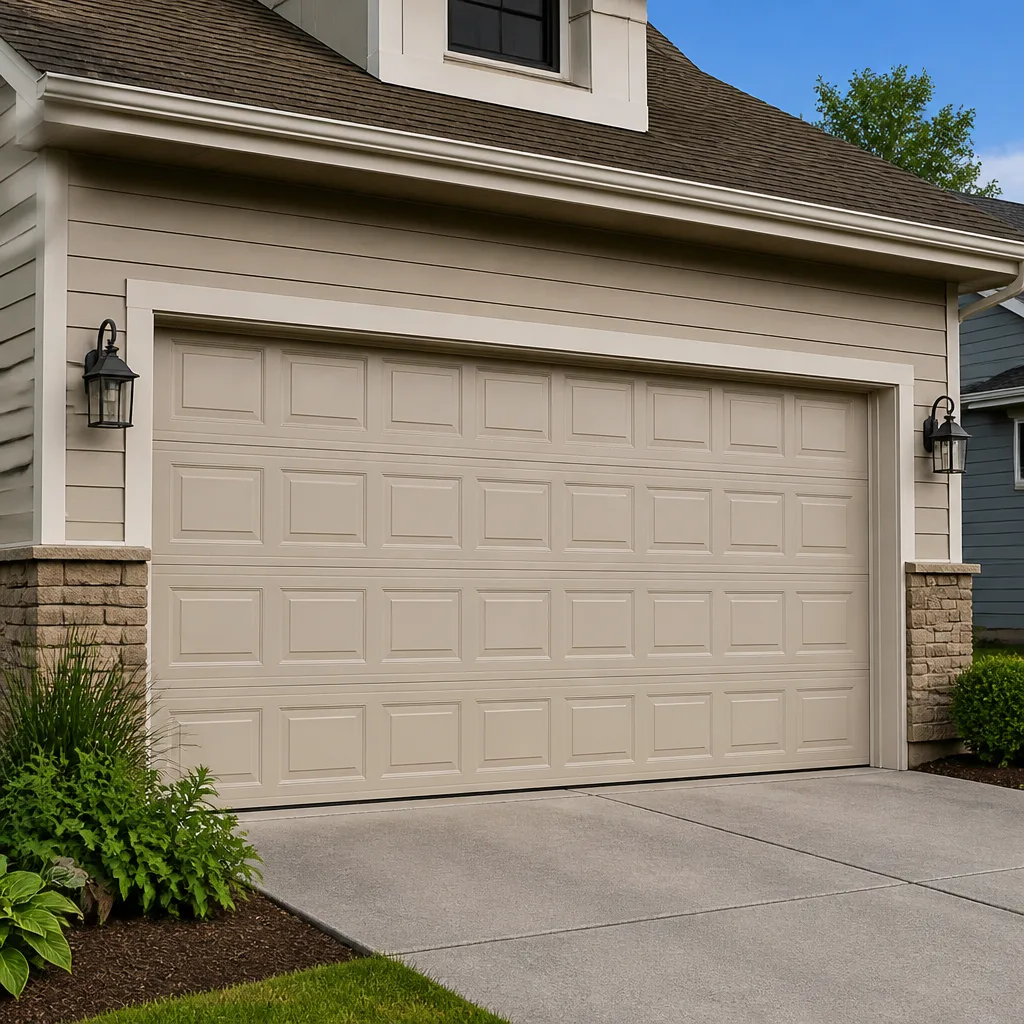 Raised-panel steel
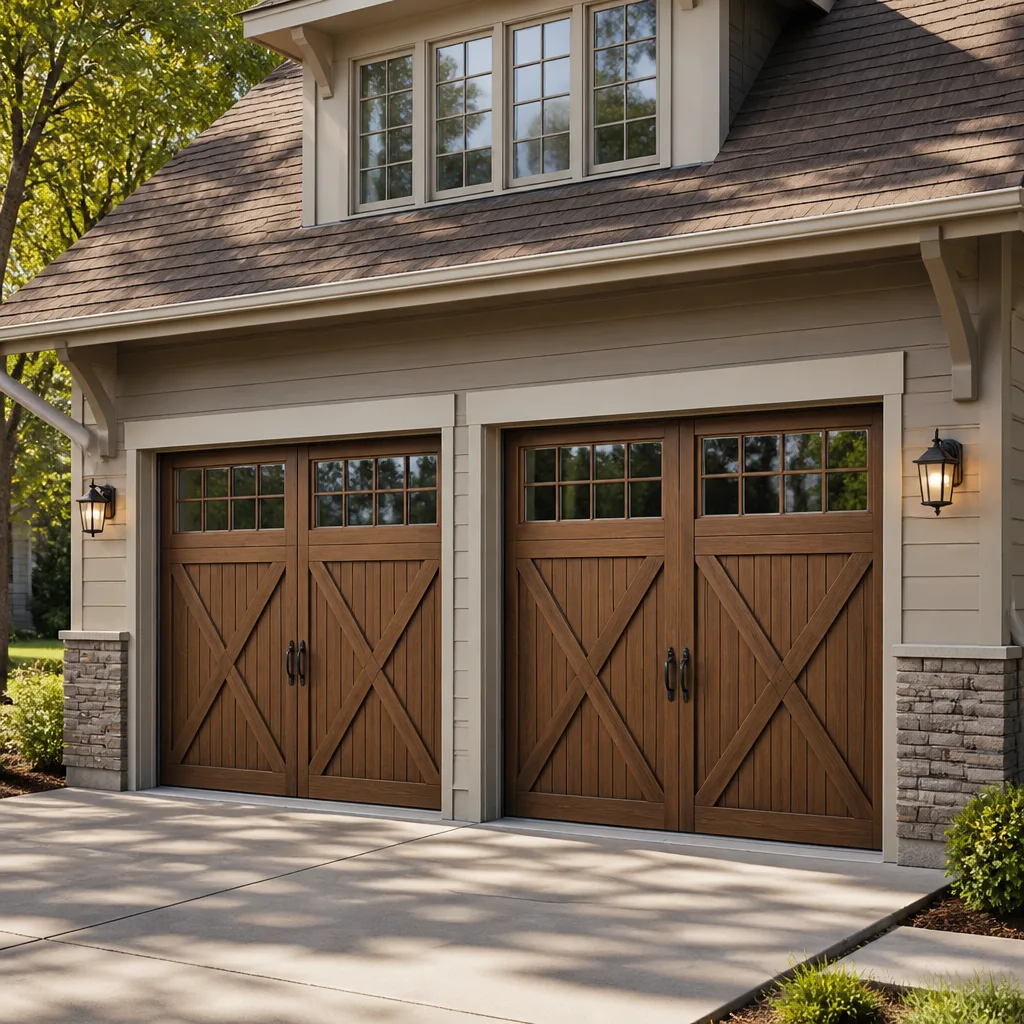 Carriage house
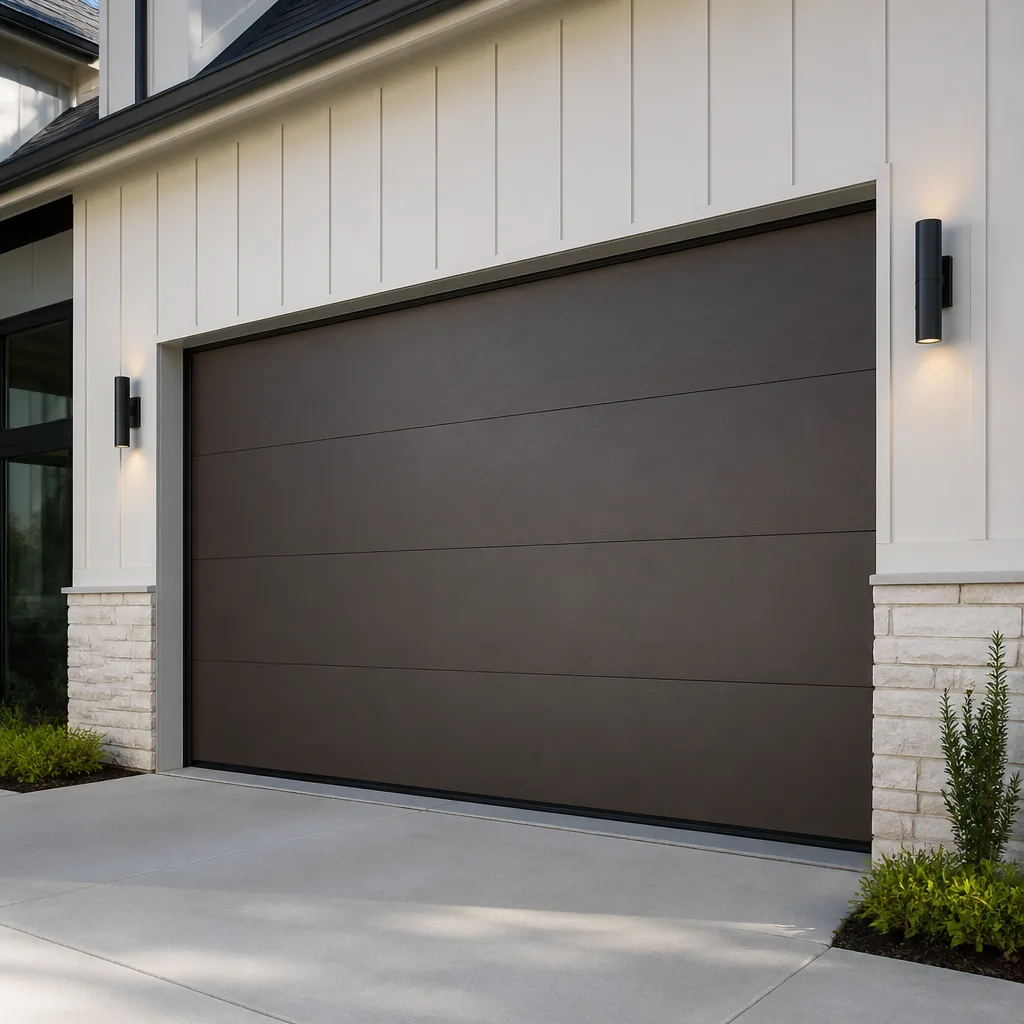 Modern flush
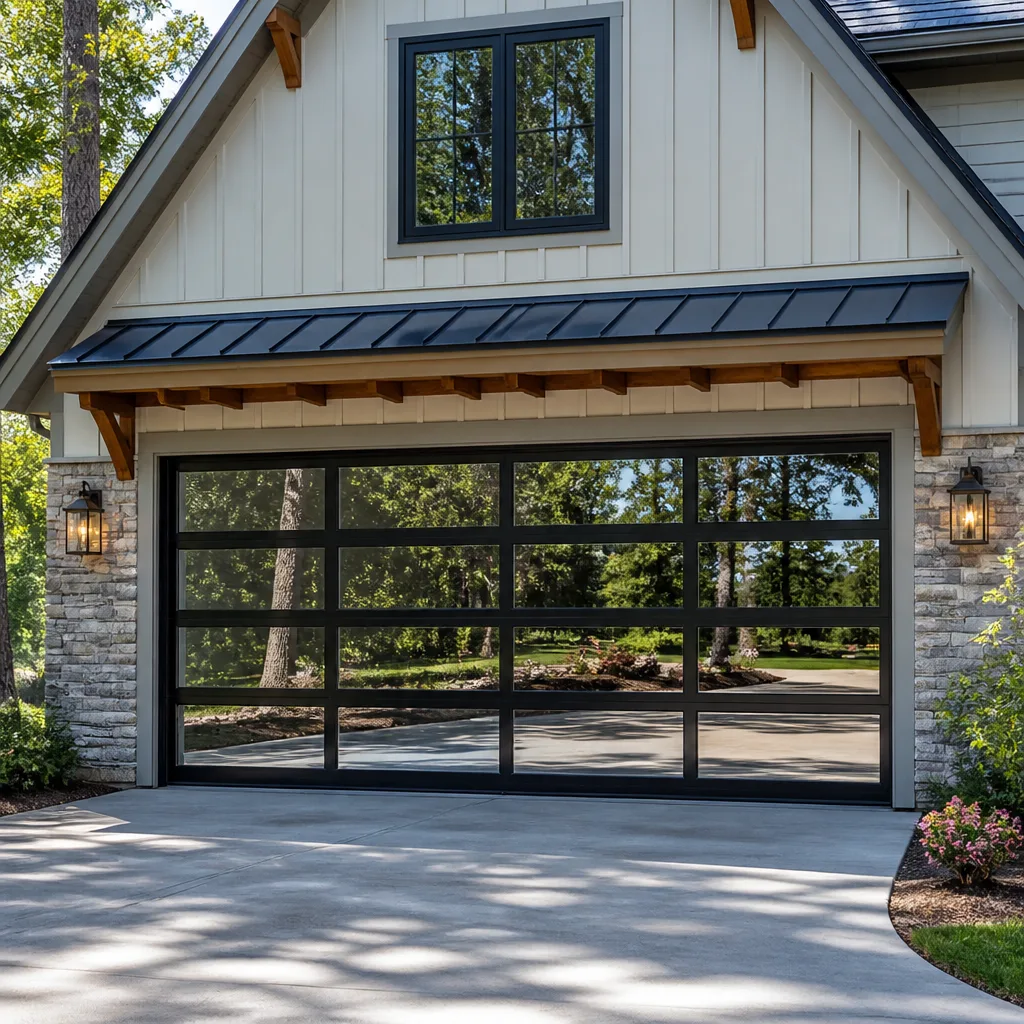 Full-view glass
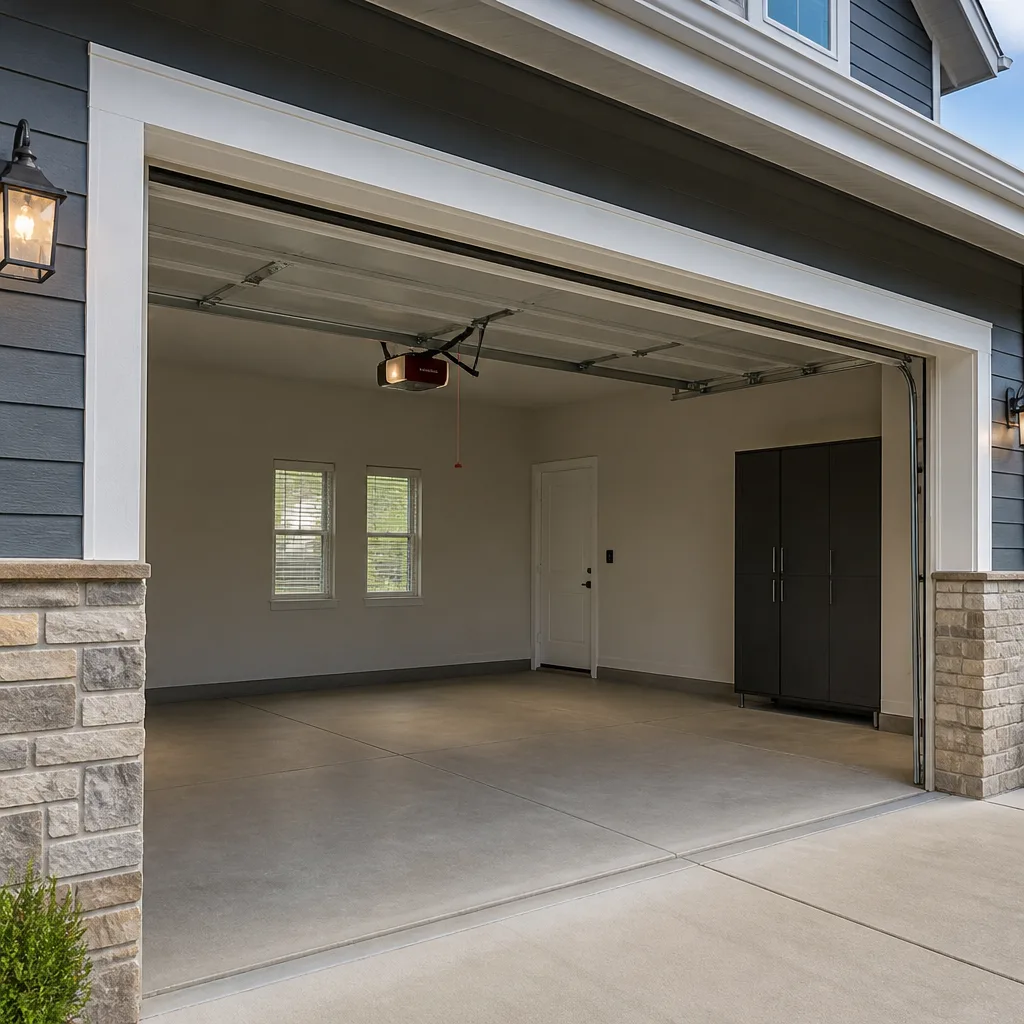 LiftMaster openers
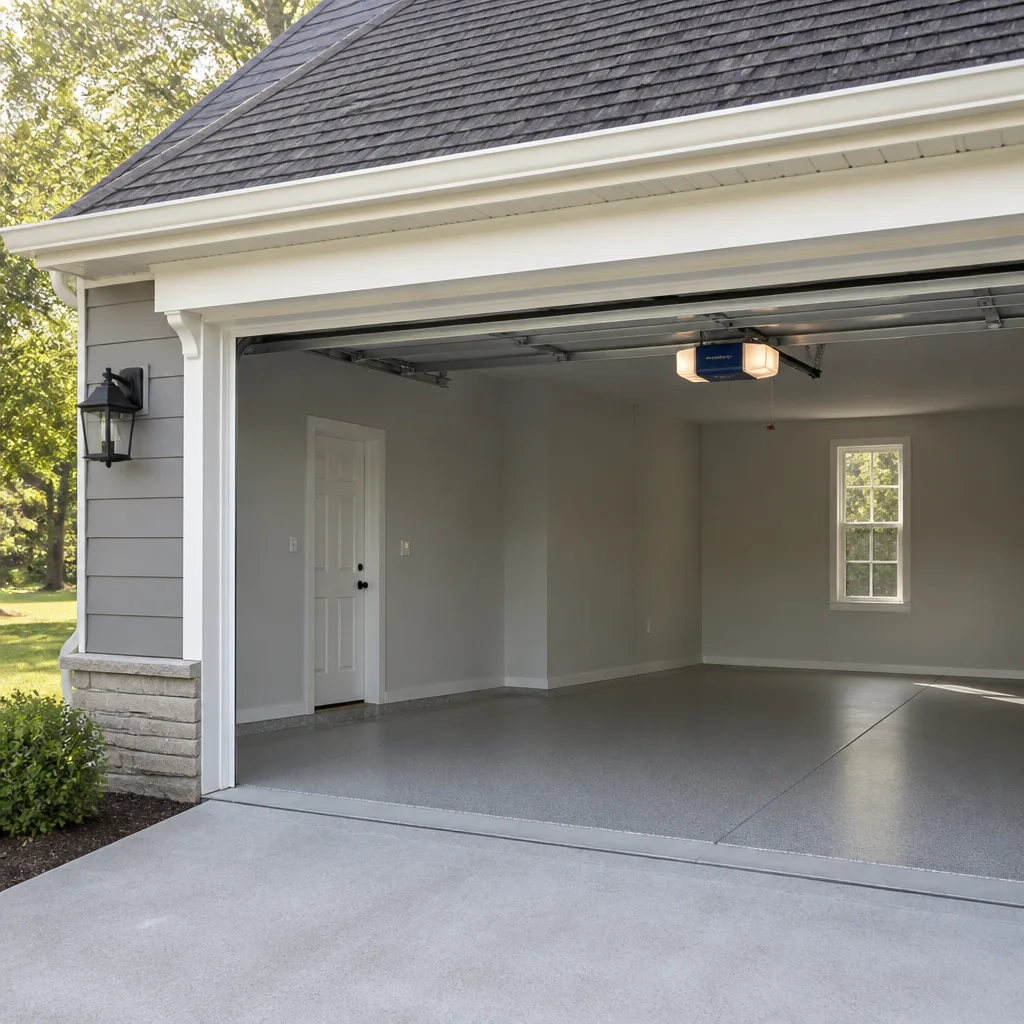 Chamberlain openers
Full 25-point door and opener safety check with every visit - springs, cables, rollers, tracks, and your LiftMaster or Chamberlain opener included
You get a price before we start. It does not change when the pro arrives.
Get your free estimateHow to Hire a Garage Door Contractor in Beverly: A Step-by-Step Guide
Most homeowners hire a garage door contractor the way they’d hire a painter: get a couple of quotes, pick a name, hope for the best. That approach works fine for repainting a hallway. It falls apart on a garage door, because the things that go wrong in this trade don’t announce themselves on day one. A door hung with the wrong spring for its weight opens and closes on the first try, then eats its opener motor eight months later. A quote that names no opener model number leaves room to swap in a cheaper unit on install day. The garage door looks fine either way. The problem shows up later, and by then the crew is gone.
This guide gives you the specific questions and verification steps that separate a true garage door specialist from a handyman who does doors on the side. It’s written from Beverly, for Beverly homeowners, and it covers licensing reality in Illinois, how to read a written estimate, what warranty language actually promises, and the five trade-specific questions that expose inexperience in about two minutes of conversation.
Quick Answer
To hire a garage door contractor in Beverly, verify insurance and manufacturer familiarity before anything else, since Illinois does not require a specialty license for this trade. Insist on a written estimate that itemizes the spring size and wind count, track gauge, and exact opener model number, and confirm the contractor works on your door’s specific brand. A legitimate garage door specialist will answer those questions without hesitating, and a generalist almost never can.
Styles & brands we work with
- Raised-panel steel
- Carriage house
- Modern flush
- Full-view glass
- LiftMaster openers
- Chamberlain openers
Table of Contents
- Why Hiring a Garage Door Contractor Is Different From Hiring a General Contractor
- What Illinois Licensing Actually Requires (and Doesn’t)
- The Five Questions That Separate a Specialist From a Generalist
- How to Read a Written Estimate: What Must Be Itemized
- Why “We Service All Brands” Is a Green Flag and “We Only Install One Brand” Deserves a Follow-Up
- How to Read a Garage Door Warranty
- What Beverly Weather Does to Garage Doors
- What to Ask Before You Book the Appointment
Why Hiring a Garage Door Contractor Is Different From Hiring a General Contractor
A garage door is a counterbalanced mechanical system, and nearly every failure traces back to the balance. The door’s weight is lifted by torsion springs or extension springs, and those springs are matched to the door’s exact weight and height. When the spring is wrong, the door still opens and closes, so nothing looks broken. But the opener motor is now doing work the spring should be doing, and openers aren’t built for that. Motors burn out, gears strip, and the door gets heavier to lift with each passing month.
This is why the garage door trade rewards depth over breadth. A technique that’s fine on a deck railing or a closet door can be dangerous on a door system under hundreds of pounds of tension. When you hire a general contractor for a small remodeling job, you’re paying for project management and variety. When you hire a garage door specialist in Beverly, you’re paying for narrow, repeated exposure to one system: the brands, the failure patterns, the parts, the measurements.
What that means for you as the homeowner:
- Your garage door contractor should be able to talk about brands the way a mechanic talks about engines. If they can’t name what’s on your door and why it matters, they’re guessing.
- They should carry or source common parts instead of ordering everything on a three-week lead time. A specialty company that handles repairs regularly knows what fails and keeps the pieces on hand.
- They should handle the full scope, from a snapped spring to a full door replacement, without handing you off to a second company. When several contractors touch the same door, responsibility for what went wrong gets murky.
- They should focus on garage doors only. A company that splits its time across plumbing, HVAC, and doors spreads its training and inventory thin.
None of that is about price. It’s about whether the person standing in your driveway has actually done this a thousand times, or whether your door is practice.
What Illinois Licensing Actually Requires (and Doesn’t)
Illinois does not require a specialty license to work as a garage door contractor. This is the single most useful fact in this guide, because it tells you exactly where to focus your vetting. If there’s no state specialty license to check, then the vetting tools that replace it are insurance verification and manufacturer familiarity. Ask for proof of general liability insurance and workers’ comp before work starts, and don’t accept a promise that paperwork is “on the truck.” A legitimate operator can provide a certificate of insurance on request.
That leaves two practical verification steps. First, ask if the company carries general liability coverage and can send a certificate. Ask the same for workers’ compensation, because an uninsured worker injured on your property is a problem that lands on you, not on a state board. Second, ask about manufacturer familiarity. In our experience, an experienced garage door technician can tell you which brands they work on regularly and can describe the difference between a LiftMaster opener’s logic board and a Chamberlain unit’s. A handyman who’s installed two doors in five years cannot do that.
On Beverly, the practical upshot is this: there’s no state registry to search that will tell you who’s competent. The vetting lives entirely in the questions you ask and the documents you request. Expect a legitimate contractor in Beverly to welcome those questions, not dodge them. If a contractor bristles at a request for a certificate of insurance, that alone is your answer.
Two documents you should ask about before any work begins:
- A certificate of general liability insurance. Request it early. A contractor who won’t provide one isn’t insurable in any meaningful way for you.
- A workers’ comp certificate. Ask directly: “Are your technicians employees covered by workers’ comp, or are they subcontractors?” A vague answer is a red flag.
The Five Questions That Separate a Specialist From a Generalist
These five questions are trade-specific. A generalist can’t fake the answers because they require hands-on exposure to the equipment. Ask them over the phone before you book.
- “What spring wind count does a standard 7-foot door at my weight need?” A specialist deals with spring sizing constantly and can explain the relationship between door weight, height, and spring wire gauge. Someone who installs doors occasionally will go quiet or change the subject. Torsion springs are sized to the door’s weight, and the wind count is computed, not guessed. If they start talking about how heavy it “feels,” they’re not sizing springs.
- “Which brands do you work on regularly?” You want to hear specific names: LiftMaster, Chamberlain, Genie, Clopay, Amarr, Wayne Dalton, Craftsman, Raynor. “We work on everything” is less reassuring than a named list. Real familiarity comes from repeated contact, and it shows up in specifics.
- “When you replace a spring, do you replace both at once, and why?” A matched pair of torsion springs shares the load, and a qualified technician usually replaces both when one breaks because they’ve had equal wear. The answer to this question tells you if the person on the phone has done this often.
- “Which opener models do you see most often, and which ones give you the most trouble?” A specialist who services Wi-Fi-enabled LiftMaster and Chamberlain openers alongside older Genie and Craftsman units will have opinions here. Someone who “installs openers sometimes” won’t.
- “Can you give me a written estimate that itemizes the parts before you start?” A specialist says yes without hesitation. A generalist often hedges, because their pricing is built on a lump-sum number that leaves room for substitution.
You don’t have to ask all five. Two or three are usually enough. Watch for fluency: an expert answers instantly, in specifics. A non-expert stalls, generalizes, or pivots to talking about price.
How to Read a Written Estimate: What Must Be Itemized
A vague quote is not a cheaper quote. It’s a quote with hidden flexibility, and the flexibility almost always favors the contractor. A proper written estimate for garage door work in Beverly should itemize the parts that affect how long the door lasts.
Here’s what a legitimate itemized estimate contains:
- Spring specifications. Not just “torsion spring.” The estimate should name the wire gauge, the length, and the wind count, or the cycle rating. If the number isn’t stated, ask why. Springs are the most failure-prone part of the system, and the difference between a low-cycle and high-cycle spring matters more than the price difference.
- Track gauge. “Standard track” means nothing. A 2-inch track and a 3-inch track carry different door weights and last differently. Ask for the gauge in numbers.
- Opener model number. Not “a Chamberlain opener.” “Chamberlain B970” or “LiftMaster 8500” are the kind of entries you want. Without a model number, there’s nothing stopping a swap to a cheaper unit at install.
- Labor, listed separately. Some companies roll labor into parts pricing. That’s fine, but ask which is which.
- A statement that the price on the estimate is the price you’ll pay. The written estimate sets the price. Any change should come to you in writing before work begins, not after.
When you’re ready to book, you can also ask us for a free estimate on garage door repair. We quote in writing and price each job by the written estimate before anything starts. That’s how it should work.
Why “We Service All Brands” Is a Green Flag and “We Only Install One Brand” Deserves a Follow-Up
Here’s where homeowners often get the signal backwards. “We service all brands” sounds like a marketing line, so people discount it. In this trade, it’s actually a sign of experience. Servicing many brands means the company has diagnosed failures across many different designs, which is exactly the diagnostic depth you want. Our technicians work on LiftMaster, Chamberlain, Genie, Clopay, Amarr, Wayne Dalton, Craftsman, and Raynor systems, and each brand has its own logic board, motor, and spring behavior.
The reverse is more subtle. A company that installs only one brand isn’t necessarily a bad company. Clopay, for example, makes a large range of residential doors, and a company that installs mostly Clopay may be excellent at Clopay. The yellow flag is when they can’t service anything else, because that’s when you can’t get a repair on the door they already sold you without going back to them. Follow up with the question: “If I have a different brand, can you repair it, or only install?”
What you want to hear: we install and repair. What you don’t want to hear: we install this brand and we don’t work on others. That second answer is a yellow flag worth probing, because it tells you the company’s expertise is one-directional.
For a full replacement, ask whether the same company handles installation and repair. A company that does both, like garage door installation, avoids the “which contractor is responsible” problem when a new door later needs service. You want that continuity. The same specialist team that repairs your door should be able to replace it entirely, with no handoff or subcontracting.
How to Read a Garage Door Warranty
“Lifetime” is the most overused word in garage door warranties. Read the summary, not the label. Most residential door warranties are lifetime in name and limited in scope, and the exclusions list is often longer than the covered list. A few things to know:
- “Lifetime” usually means the original purchaser, on the original door, at the original address. If you sell the house, the warranty may not transfer. If you move the door, it’s void.
- Parts, not labor, is the standard split. A spring that fails inside the warranty window may be replaced at no part cost, but you may still pay for the technician’s time and the new labor.
- Springs are often on a separate, shorter schedule. A door’s warranty might be lifetime, while the springs inside it are covered for a shorter cycle count or not at all. Ask specifically: “What’s the warranty on the spring, and is it calendar-based or cycle-based?”
- Cosmetic exclusions are common. Dents, paint fade, and rust that isn’t a manufacturing defect are rarely covered.
- Commercial versus residential. A warranty written for a commercial application often has different cycle expectations. Verify that your written warranty says residential.
Also ask which parts are almost never covered. Logic boards, remotes, and photo-eye sensors are frequently excluded on opener warranties. If a company can’t give you a straight answer on what’s not covered, that’s the same fluency problem as the spring question.
Warranty is separate from service, and our company doesn’t state a specific warranty duration unless it’s in your written estimate. Ask for it to be spelled out there.
What Beverly Weather Does to Garage Doors
Beverly’s cold winters and humid summers are hard on a garage door’s moving parts. Cold contracts metal parts, makes springs brittle, and stiffens grease. Summer humidity invites rust on track and hardware. In practice, doors in Beverly fail more often in the coldest weeks and the hottest, when the temperature swing stresses the springs and the door’s weight shifts at the hinges.
The practical winter and summer checklist for a Beverly homeowner:
- Listen for new noises in early winter and again when hot weather arrives. A new grinding or a sudden pop is the door telling you something is wearing.
- Check the balance once a season. With the door closed and the opener disconnected, lift it halfway by hand, and let go. A door that stays put is balanced. A door that drifts down is doing work the spring should be doing.
- Look at the springs. If they’re visibly rusted or look stretched, call before they snap, not after. A spring replacement scheduled is far easier than a spring replacement urgent.
- Keep the track clear of grit and debris. Small debris grinds into the wheels and shortens their life. Wipe down the track with a dry cloth.
Springs are the single most dangerous component in the system. A torsion spring under tension can cause serious injury, so don’t try to adjust, wind, or remove one yourself. If a spring breaks, treat the door as out of commission, and call a trained professional.
If a door fights you in cold weather, we handle garage door opener repair and can look at both the opener and the door together. Sometimes the opener is fine and the spring is working too hard.
What to Ask Before You Book the Appointment
Before you commit, run through a short list. These aren’t gotcha questions. They’re the ones a legitimate contractor in Beverly expects and a shortcut-taker can’t answer.
- Ask for the insurance certificate. General liability and workers’ comp, before the appointment. No exceptions.
- Ask for the written estimate. The price on the estimate is the price. If it changes after work starts, that’s a contractor problem, not a “discovered the real issue” problem.
- Ask who does the work. A specialist should not be subcontracting your door to a generalist. You want the company that diagnoses to be the company that repairs.
- Ask what brands they work on. Named brands, not “all of them.”
- Ask about the estimate being free. The estimate is free, and it’s written. A free estimate plus a written price plus a clear itemization is the minimum standard.
Our company is set up for this exact conversation. Call (888) 762-7611 for a free estimate. We answer 24/7. Fast dispatch from 7am to 7pm, Sunday through Friday, and we’re closed Saturday.
Common Mistakes to Avoid
- Going with the first quote without asking about insurance. A cheap quote from an uninsured contractor isn’t cheap if something goes wrong. Verify coverage first, then compare price.
- Accepting a lump-sum quote with no itemization. If your estimate says “spring repair, $X” with no spring size or wind count, you’re exposed to substitution. Ask what’s inside the price.
- Hiring the same brand-only installer when you need a repair. A company that only installs one brand can’t diagnose everything. Ask whether they repair what they install.
- Assuming “lifetime” means the spring, not the door. Ask what’s covered and what’s excluded, and ask specifically about the spring’s cycle warranty.
- Trying to adjust or replace a spring yourself to save money. Springs are under high tension and are the most dangerous component in the system. This is never a DIY job, even for homeowners who are handy elsewhere.
- Waiting for the door to fail completely before calling. A door that’s slow, noisy, or uneven is telling you what’s failing. A scheduled repair is simpler than an urgent one, especially in a Beverly winter.
- Turning down a full-scope company because you “only need a part.” A company that does full scope, from part to installation, is often the same company that has the right part on hand. Niche focus beats variety here.
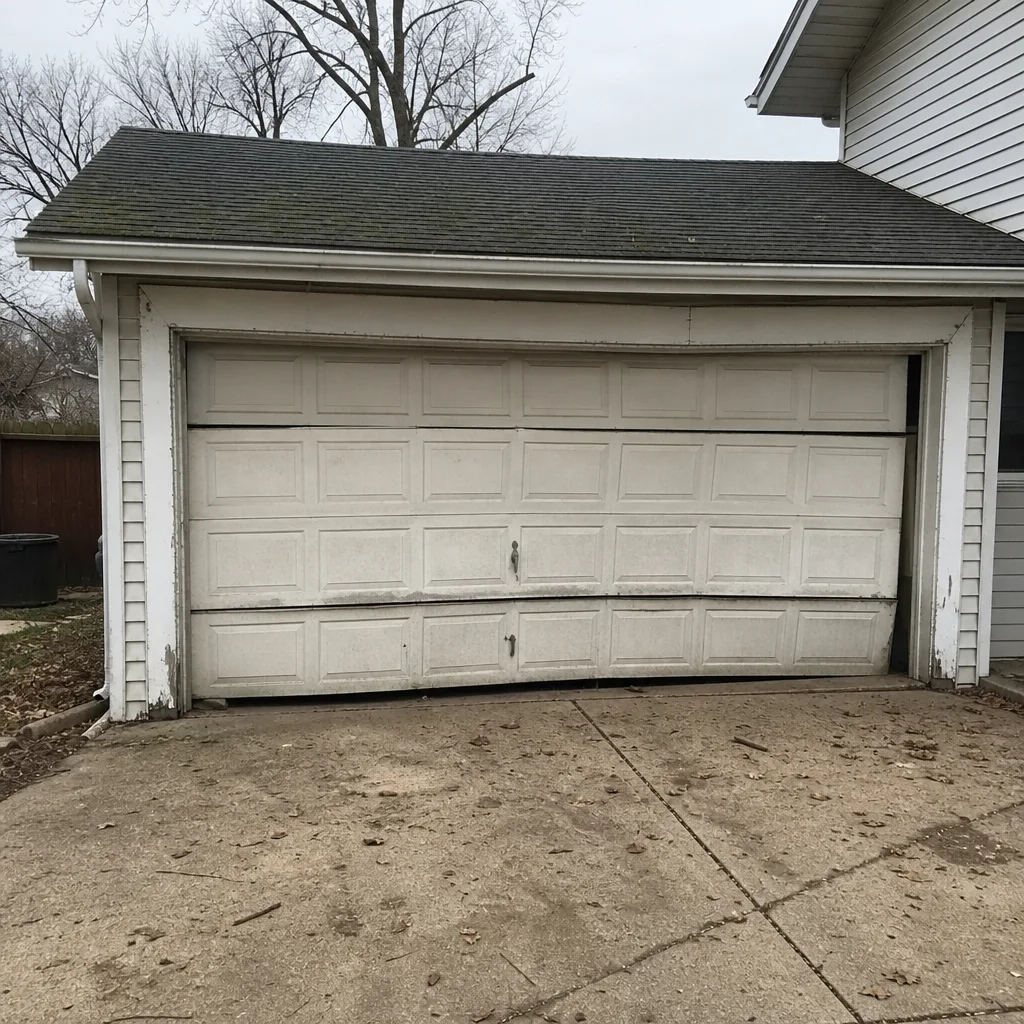
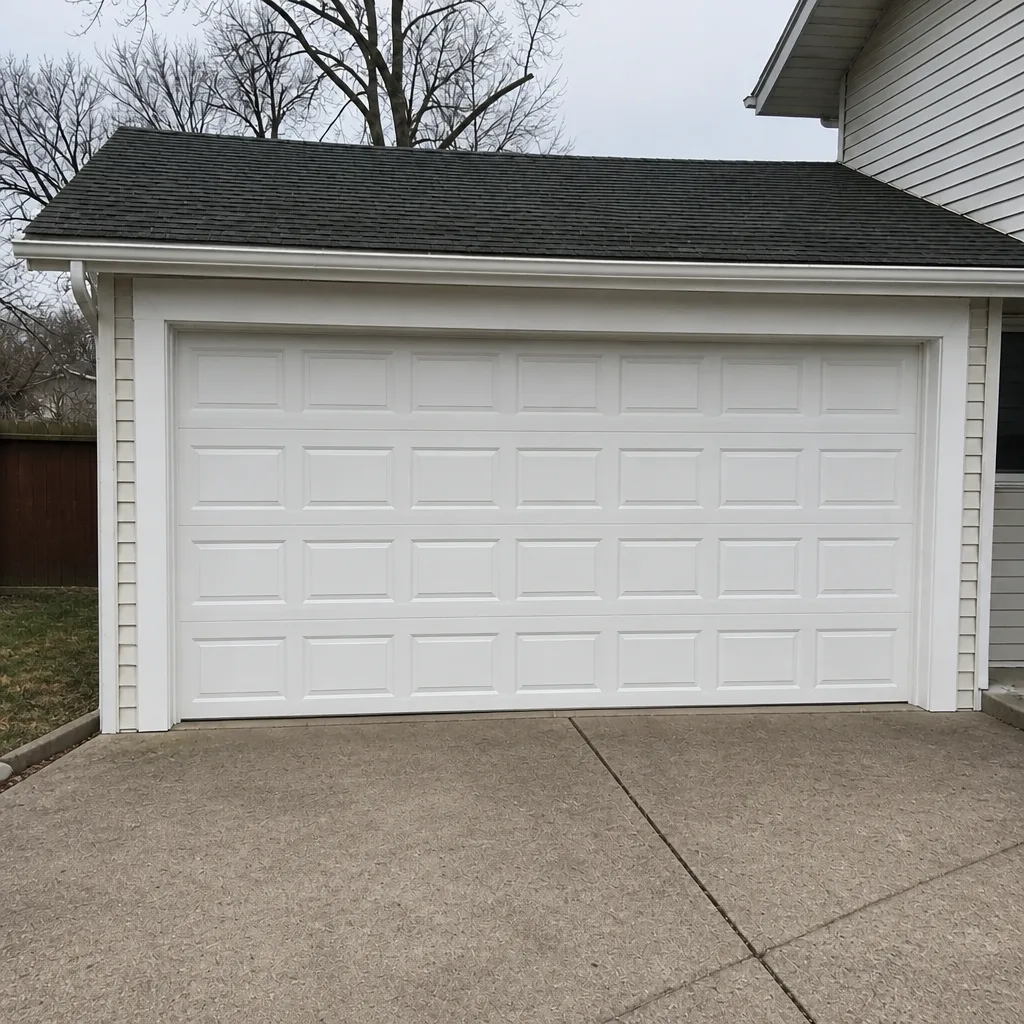
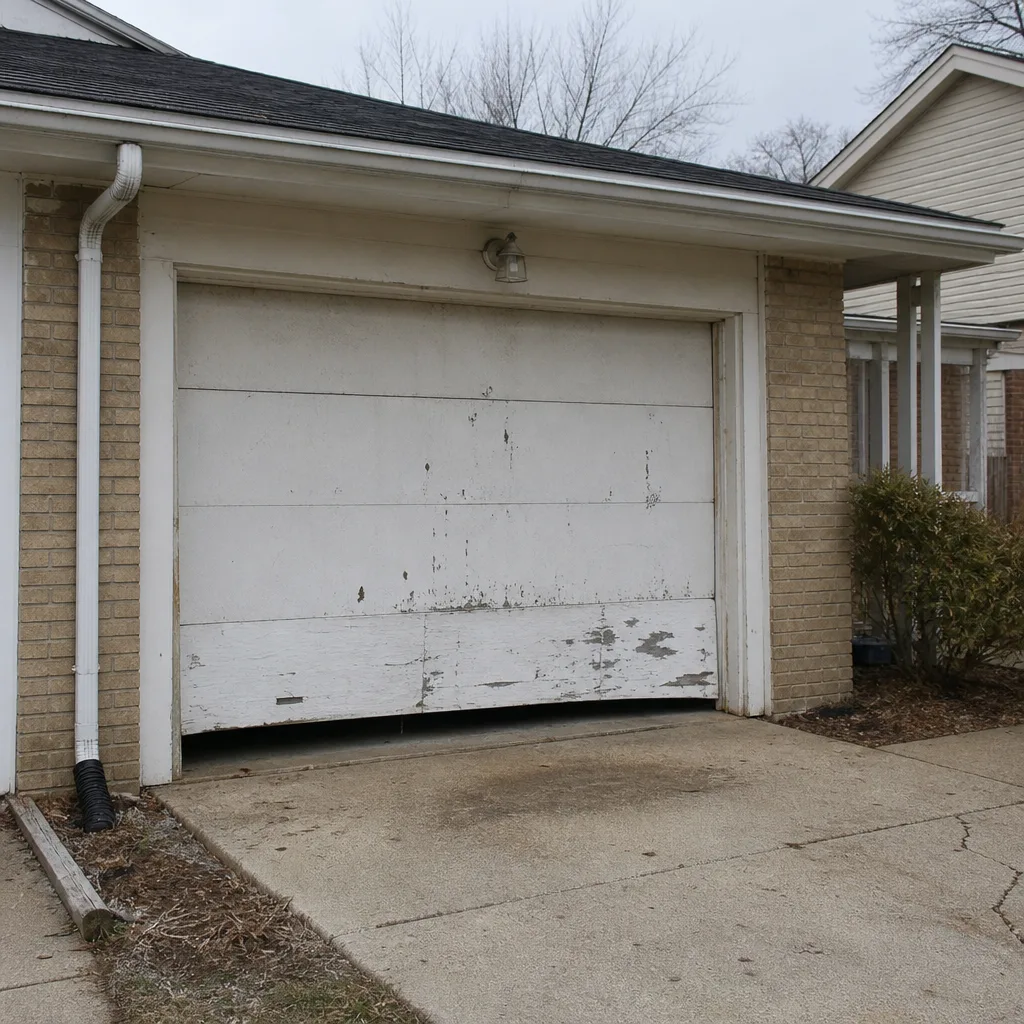
See the difference
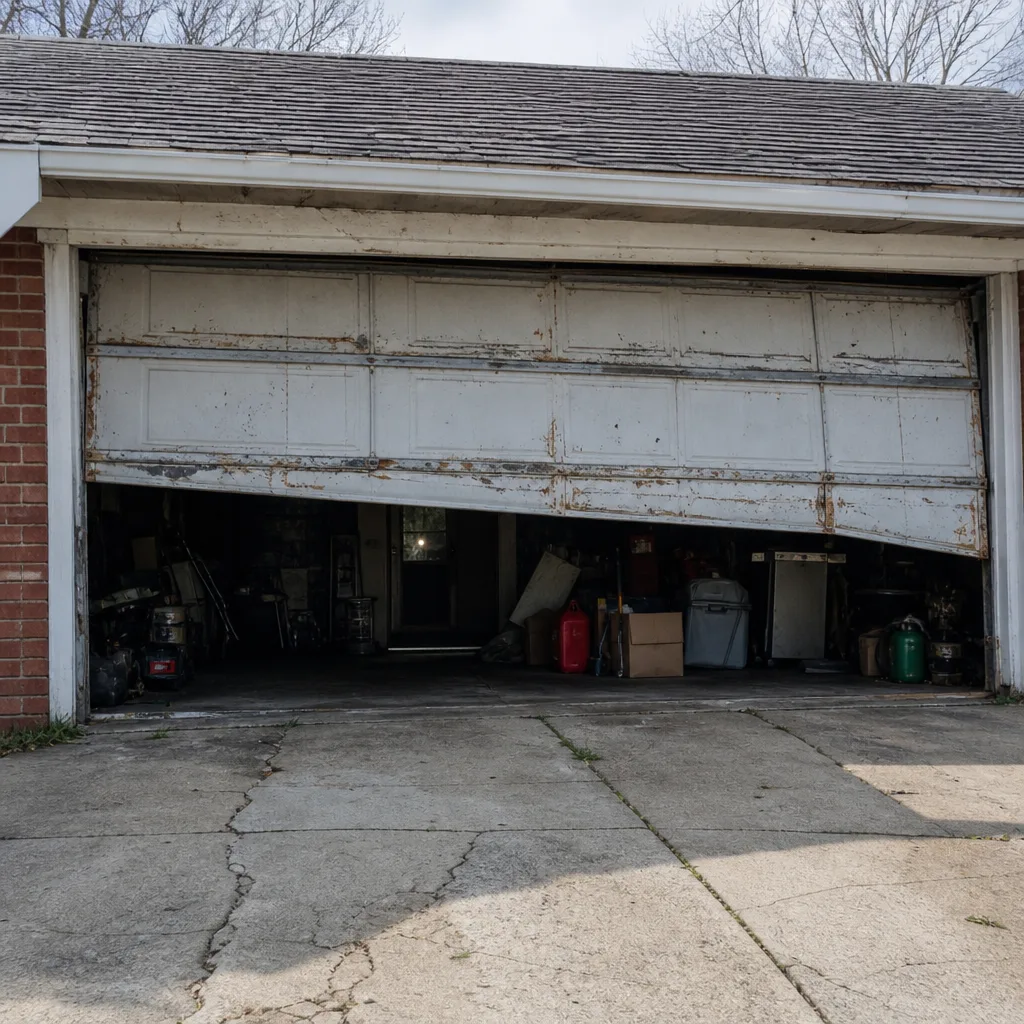 Before
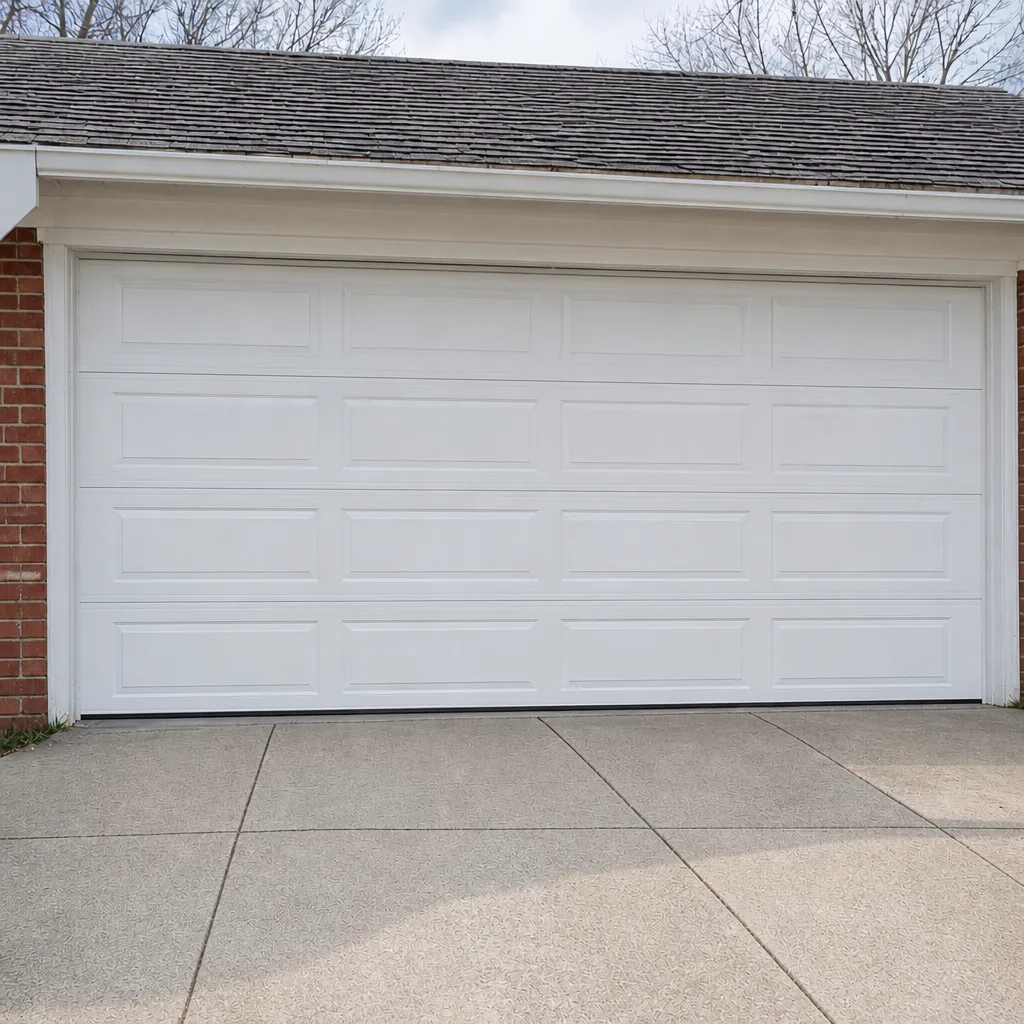 After
 Before
 After
 Before
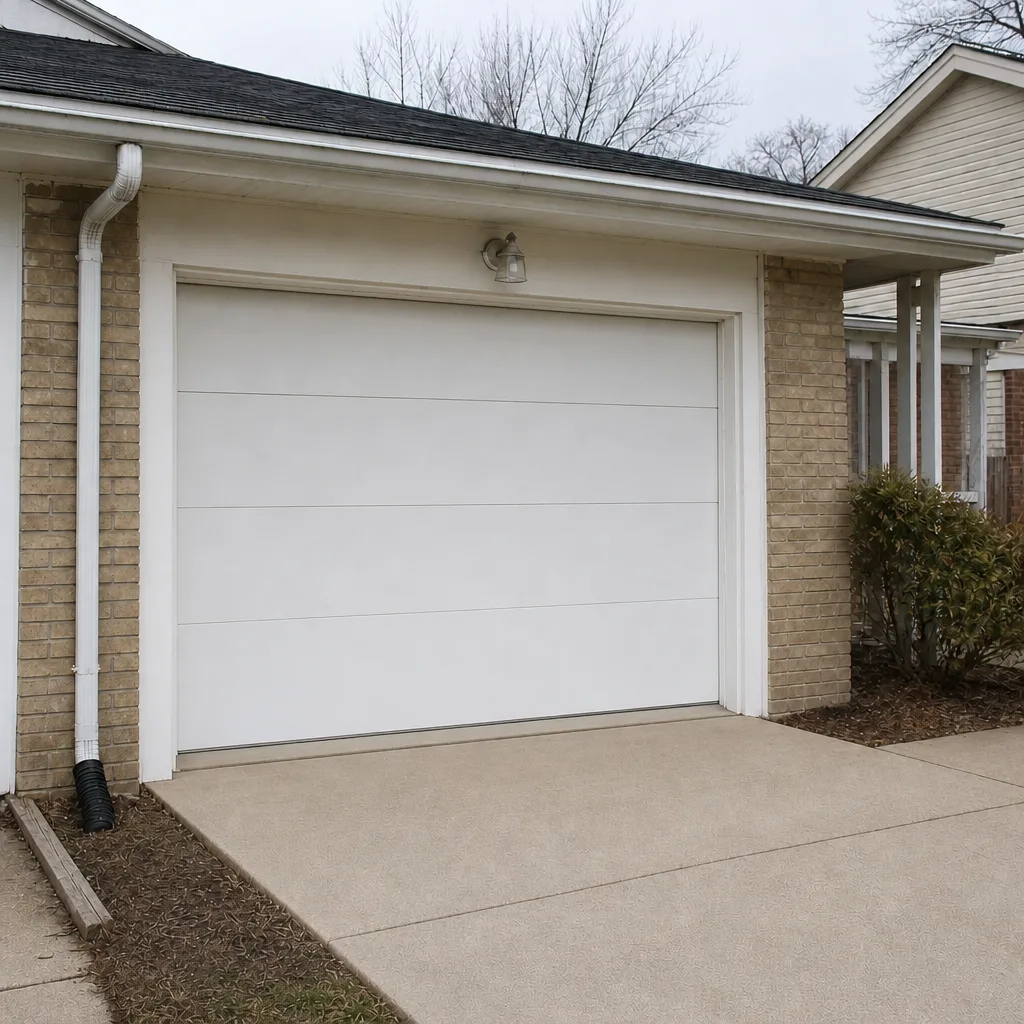 After
When to Call a Professional
Some garage door problems can wait for a scheduled appointment. Others shouldn’t. Call a professional when a spring snaps (the door should not be used until it’s repaired), when the door won’t close fully and won’t respond to the opener, when the opener motor runs but the door doesn’t move, or when the door comes off its track. Call urgently if a panel is bent to the point that the door could fall. And call for a scheduled estimate before a full replacement, because installation is a measurement-and-order job, not a same-day job.
Beverly Garage Door Repair Pros offers free estimates in Beverly. Call (888) 762-7611. We answer 24/7, with fast dispatch from 7am to 7pm, Sunday through Friday.
Frequently Asked Questions
No, Illinois doesn’t require a specialty license to work as a garage door contractor. That makes insurance verification and manufacturer familiarity the actual vetting tools, so ask for a certificate of insurance and ask which brands the company works on regularly before you book.
Garage door repair in Beverly is priced per job by a written estimate, and the estimate is free. The written quote sets the price before any work starts, so ask for the itemized estimate first and confirm the details before you commit. Call (888) 762-7611 for an exact quote; estimates are free.
A legitimate written estimate should itemize the spring specifications (gauge, length, wind count or cycle rating), the track gauge, the exact opener model number, and labor. A vague quote that names no parts opens the door to substitution. Ask the contractor to spell out every part before you approve.
Yes, and you should ask whether they can. A specialist that handles repair, parts, and installation avoids the handoff problem when a new door later needs service. If a company only installs and never repairs, ask whether they can still work on the door they sold you.
Yes, because the failure modes matter. A handyman can hang a door, but a specialist understands spring sizing, brand behavior, and the opener-door relationship. In our experience, the wrong spring shows no symptom on day one and eats the opener months later. A specialist is the person who diagnoses by brand logic, not guesswork.
We’re closed Saturday. We answer 24/7, with fast dispatch from 7am to 7pm, Sunday through Friday. A call outside dispatch hours gets booked into the next opening.
The Bottom Line
Hiring a garage door contractor in Beverly is a narrower job than hiring a general contractor, and the vetting tools are different. Illinois has no specialty license for this trade, so insurance certificates and manufacturer fluency are what you actually check. Get a written, itemized estimate that names the spring specs, the track gauge, and the opener model number. Ask the five trade-specific questions, and watch for specifics in the answers. Treat spring work as the danger zone it is, and never test or adjust one yourself. Do those things and you’ll know within ten minutes whether you’re talking to a specialist or someone guessing. When you’re ready to have a specialist look at the door, we’re reachable and ready to price the job in writing.
Beverly Garage Door Repair Pros is a garage door specialist serving Beverly homeowners with repair, opener repair, parts, and full installation. If your door is loud, slow, stuck, or overdue for a look, call (888) 762-7611 for a free estimate. We answer 24/7. Fast dispatch from 7am to 7pm, Sunday through Friday.
Start with Beverly Garage Door Repair Pros, explore garage door repair, garage door opener repair, or garage door installation.
Written by the team at Beverly Garage Door Repair Pros.