
Last updated November 21, 2026
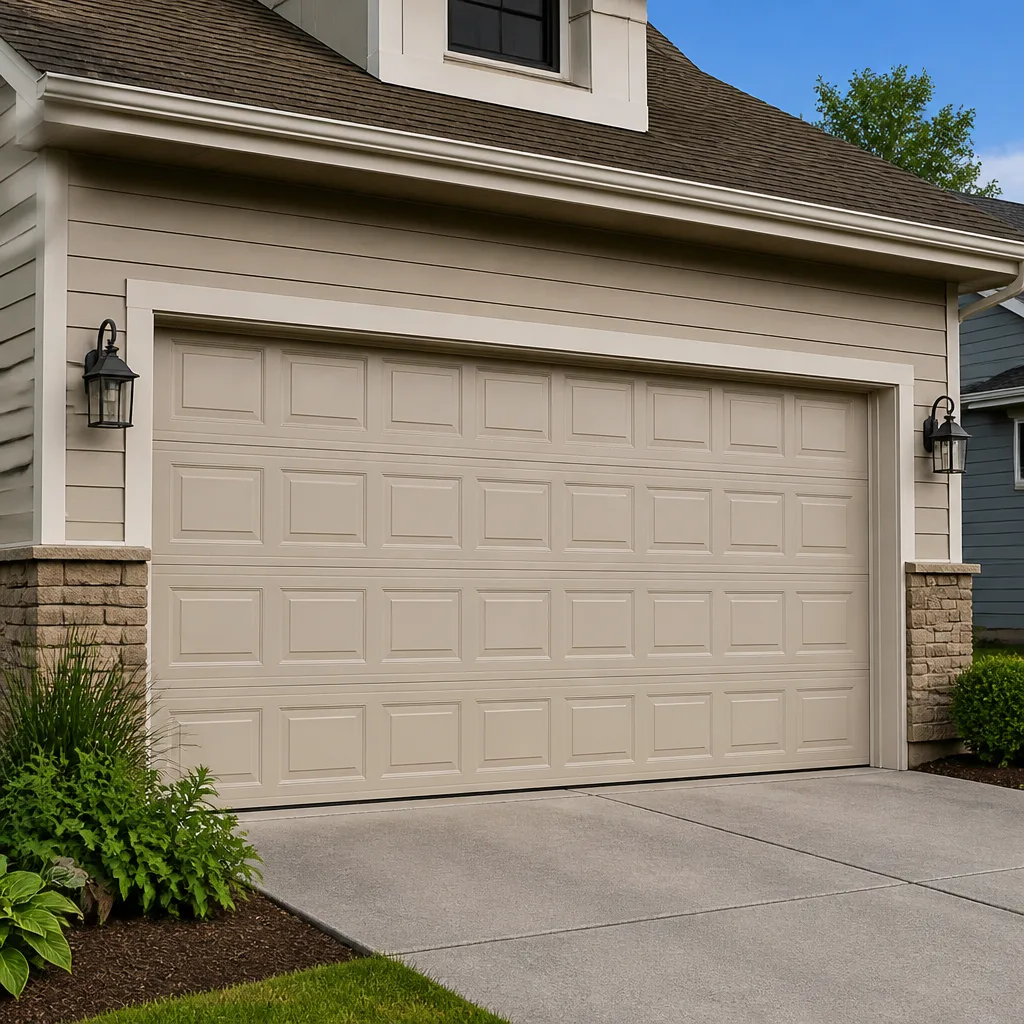 Raised-panel steel
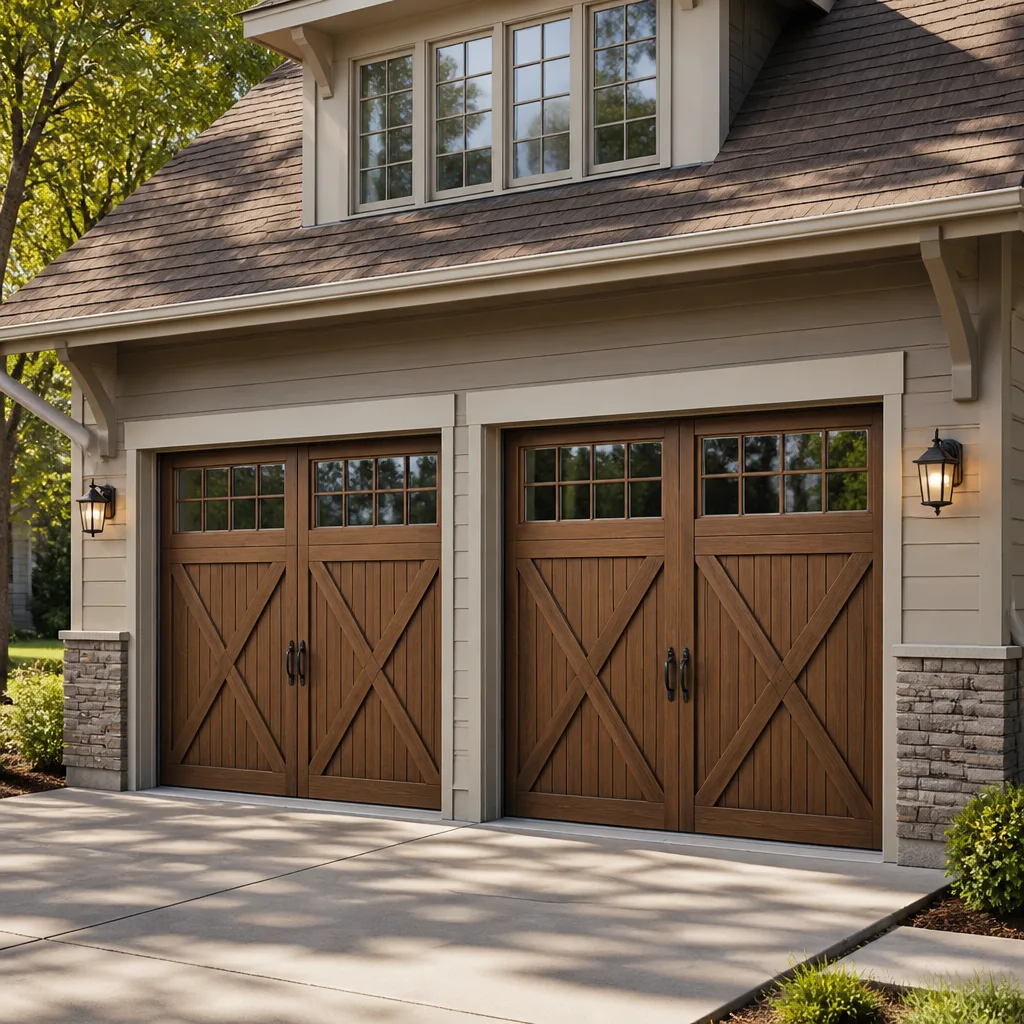 Carriage house
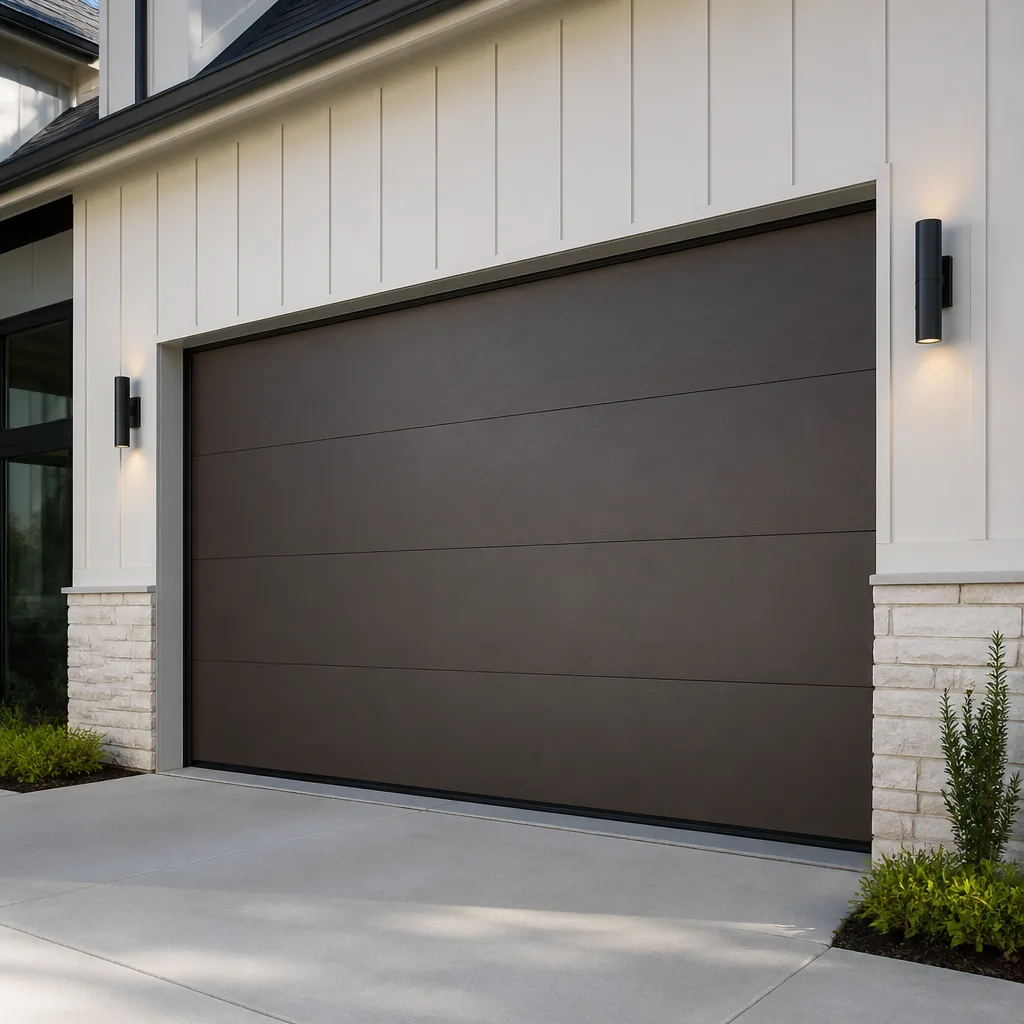 Modern flush
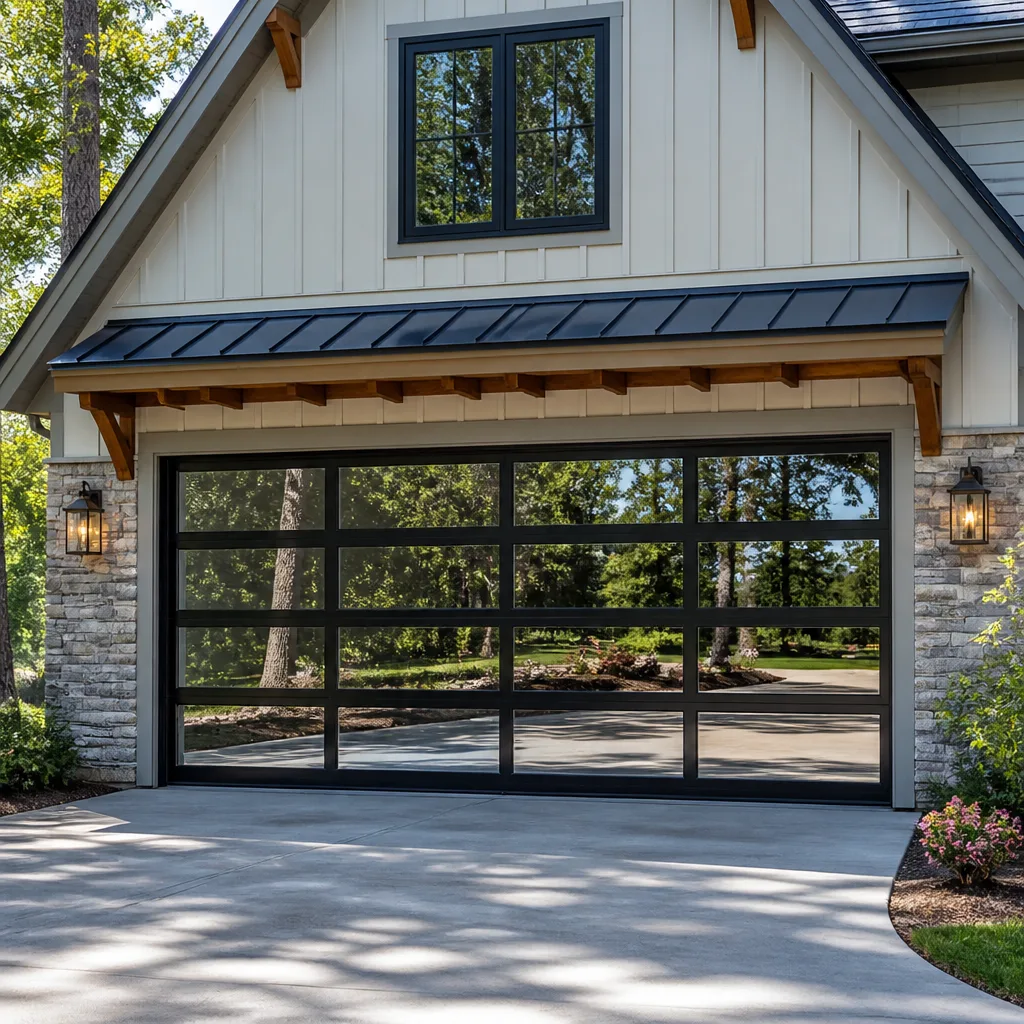 Full-view glass
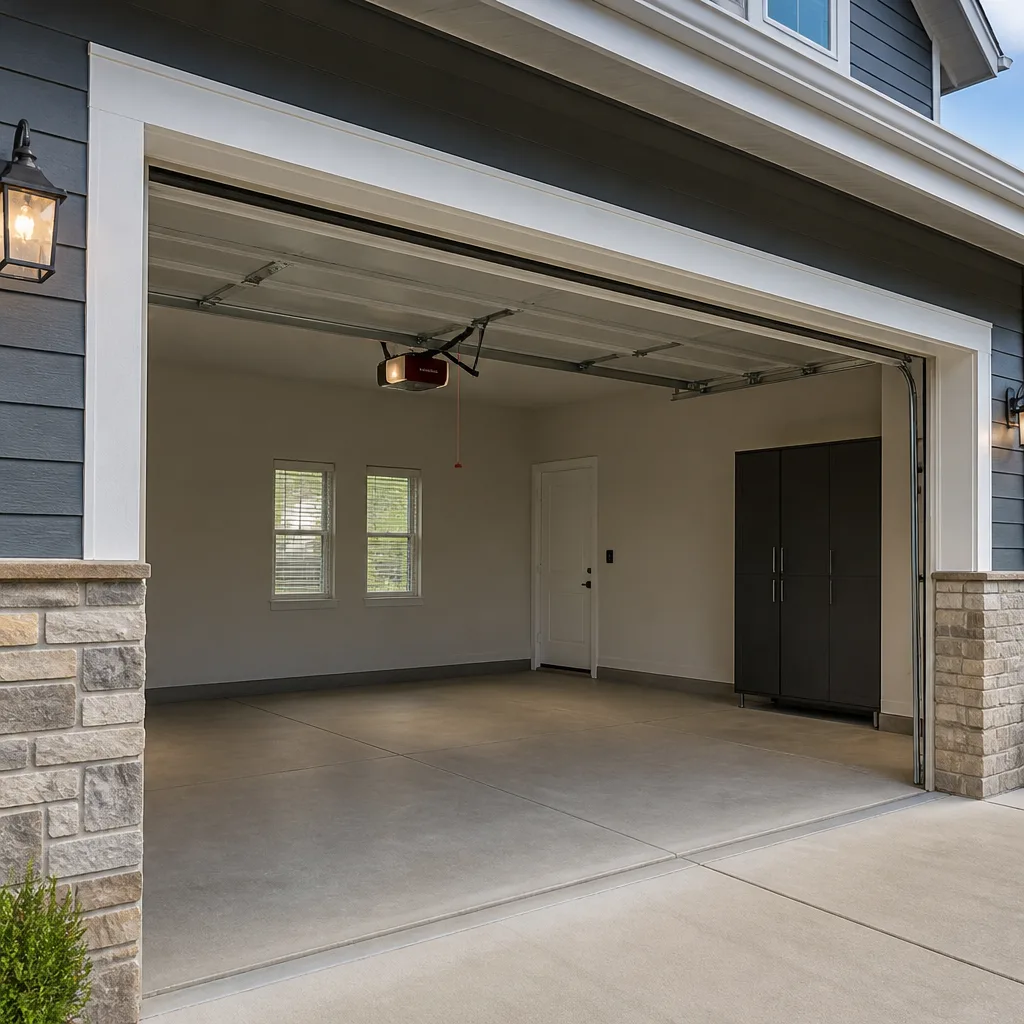 LiftMaster openers
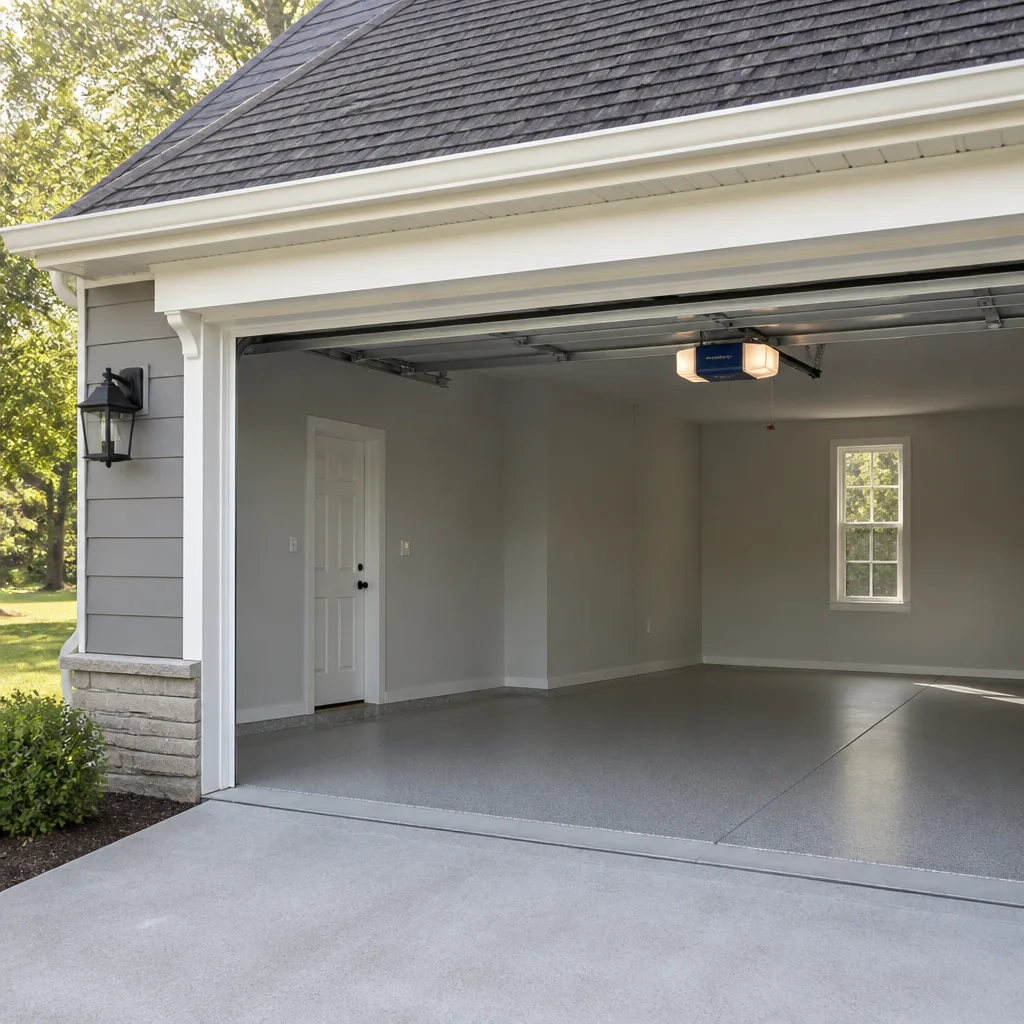 Chamberlain openers
Full 25-point door and opener safety check with every visit - springs, cables, rollers, tracks, and your LiftMaster or Chamberlain opener included
You get a price before we start. It does not change when the pro arrives.
Get your free estimateGarage Door Emergency Preparedness Guide for Beverly Homes
A garage door almost never fails in a way that’s truly random. Torsion springs let go when temperatures drop, openers go silent during power events, and panels get hit by vehicles backing out of tight alley-side garages. The trouble is that most homeowners meet their first failure with a half-remembered trick from a video, and that’s how a broken spring turns into a bent track or a car trapped behind a door you can’t lift. The fix starts long before the phone call: knowing how your door actually behaves when something snaps, and what to do in the first ten minutes. In this guide we’ll walk through the emergency release, power outage protocol, panel triage, security for a stuck-open door, and how to describe a failure so the right technician shows up. It applies to any Beverly home with a garage, whether your door runs on LiftMaster or Chamberlain, or an older Raynor unit.
Quick Answer
Garage door emergencies in Beverly usually fall into four categories – a snapped spring, an opener that won’t respond, a vehicle-struck panel, or a door that won’t close – and each has a defined response in the first few minutes. If a spring is broken, stop using the door and do not force it, because a door with a failed spring can weigh far more than a single person can safely control. If the door is jammed open, secure the space manually and call a specialist who diagnoses by brand and failure type. Call (888) 762-7611 to reach a garage door team. We answer 24/7. Fast dispatch from 7am to 7pm, Sunday through Friday.
Styles & brands we work with
- Raised-panel steel
- Carriage house
- Modern flush
- Full-view glass
- LiftMaster openers
- Chamberlain openers
Table of Contents
- The Emergency Release: How It Works and What Changes When a Spring Breaks
- Power Outage Protocol: Manual Operation and Safe Re-Engagement
- Why Beverly Power Events Make Battery Backup Worth It
- When a Panel Is Struck: Structural Triage Before You Use the Door
- Securing a Door That Won’t Close
- Who to Call and In What Order
- Pre-Season Checks Every Beverly Homeowner Can Do
- Reading Your Door Like a Technician
The Emergency Release: How It Works and What Changes When a Spring Breaks
Every residential garage door has a manual release, and it’s the most important piece of hardware in an emergency. Most people have seen the red cord hanging from the opener rail but have never actually pulled it. Here’s what it does: it disconnects the opener’s carriage from the door, so the door can be lifted by hand. On a healthy door with working springs, that’s a controlled lift. On a door with a broken spring, it’s a different animal.
When a torsion spring snaps, half the door’s weight support disappears. The door may feel impossibly heavy, or it may drop suddenly. Pulling the release cord in that condition can send the door crashing down if it’s open, or leave you with a 200- to 400-pound panel you can’t raise or lower safely. That’s why the release cord is a tool for the right situation and a hazard in the wrong one.
Here’s the sequence that actually keeps you safe:
- Check the door’s behavior before touching the release. Does the door move when the opener runs? Does the opener run but the door sits still? Does the door lift a few inches and stop? Each answer points to a different failure. A door that won’t move with a broken spring is a different call than a door that moves and won’t stay up.
- If a spring is visibly broken (a clean gap in a coil above the door, or a snapped extension spring on a side track), do not pull the release cord and do not force the door by hand. Leave the door down if it’s down. If it’s stuck open and you can’t safely lower it, secure the opening another way and call for repair.
- If the door appears intact and only the opener is dead, pull the release cord once, firmly. The carriage disengages. Lift the door by the bottom panel, not the hinges or handle, and raise it evenly with both hands. If it won’t stay up on its own, the springs are weak – stop and call.
- Never stand under a door that’s being manually raised or lowered. Keep hands and fingers clear of the gaps at the hinges.
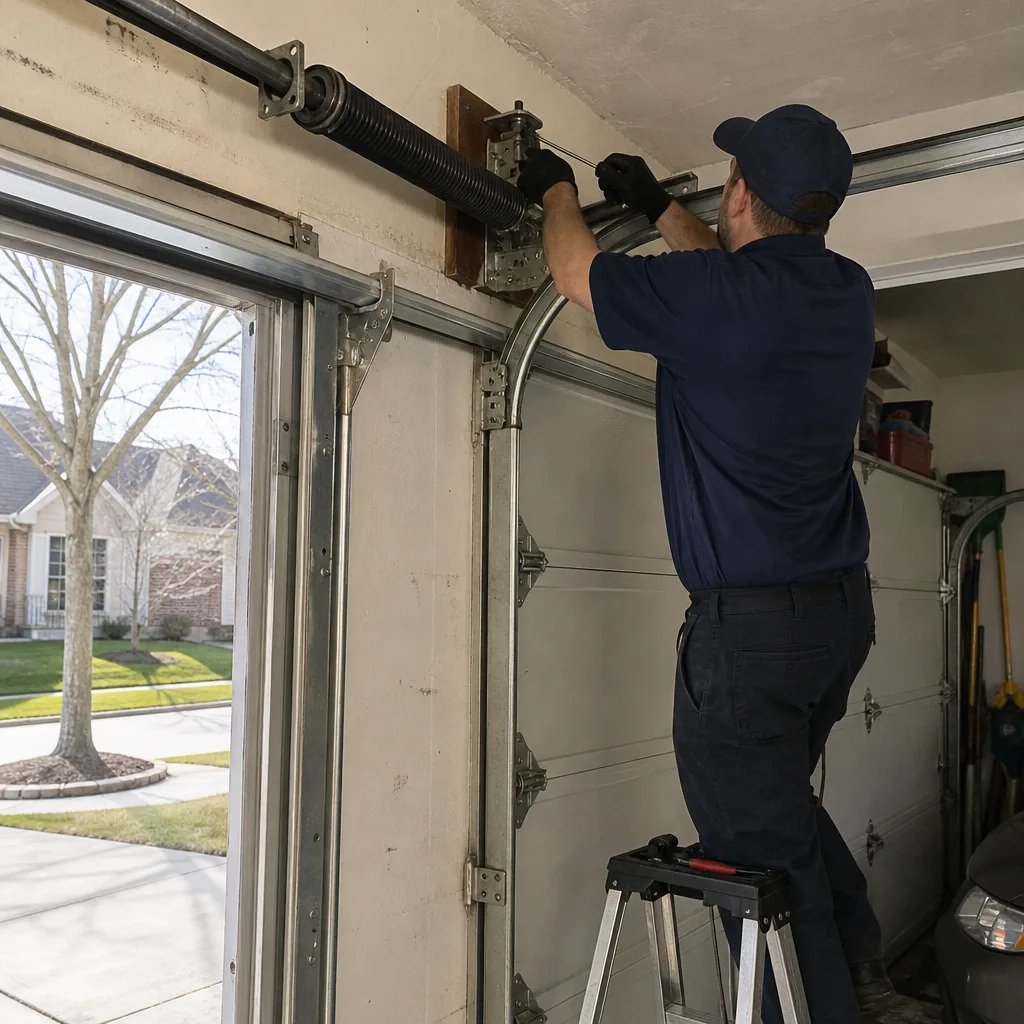
A spring replacement is one of the repairs we handle as a dedicated service, because springs are the highest-tension component on the whole door and the one most likely to injure a homeowner trying to work around them. If you’re unsure whether the spring is the problem, that’s a fair question for the dispatcher. garage door repair covers this and the rest of the door.
Power Outage Protocol: Manual Operation and Safe Re-Engagement
Power outages are common enough in Beverly that every household should know how to run a garage door by hand. The good news is that any standard opener – LiftMaster, Chamberlain, Genie, or an older Craftsman unit – uses the same basic manual release system. The bad news is that most people pull the release cord and then never think about getting the opener back into service, which leads to the second call of the week.
To operate manually during an outage:
- Pull the release cord once and let it hang free. The door is now disconnected.
- Lift the door using the bottom panel, evenly with both hands. A properly balanced door should stay open at about waist height on its own.
- To close, pull the door down and release it gently at the bottom. Don’t let it slam.
Re-engaging the opener is the part people get wrong. Don’t yank on the cord to reset it. Instead:
- Make sure the door is fully closed and the opener is powered.
- Press the wall button or remote once. The opener carriage will travel and re-latch the door.
- Watch the door cycle once. If it stops mid-travel or reverses immediately, the carriage didn’t catch. Call for garage door opener repair rather than forcing it.
If the opener won’t re-latch or runs but doesn’t move the door, the issue is usually the carriage, the logic board, or the travel limits. Those are diagnostic items – brand-specific diagnosis helps, and a LiftMaster or Chamberlain system is often a different fix from a Genie or Craftsman.
Why Beverly Power Events Make Battery Backup Worth It
If you’ve lived in Beverly long enough, you’ve seen how a summer storm can knock out a block’s power for hours. ComEd’s grid in older neighborhoods often runs through overhead lines and mature tree canopies, and that combination means outages cluster around specific streets and hit hardest after heavy weather. A garage door powered by an opener without battery backup is a door you can’t open on the way to work.
Battery backup is a built-in feature on many modern LiftMaster and Chamberlain openers, and it’s the difference between a door that works during an outage and one that doesn’t. If you’re shopping for a new opener or thinking about a replacement, this is a feature worth asking about. It doesn’t prevent outages – it makes them a non-event.
For homes without battery backup, the manual release is your fallback, and it works fine for most situations. The catch is that during a long outage, you’ll be manually operating a door every time you come and go, and that wears on springs and hinges over time. If your opener is already near the end of its service life, an upgrade with battery backup earns its keep. Call (888) 762-7611 for a free estimate on an opener replacement. We answer 24/7. Fast dispatch from 7am to 7pm, Sunday through Friday.
When a Panel Is Struck: Structural Triage Before You Use the Door
A vehicle strike on a garage door panel is one of the most common emergency calls in Beverly’s alley-side garages, where a tight turn past a garbage bin or a snowbank leaves little clearance. The question after the strike isn’t just how bad it looks – it’s whether the door is still safe to move at all.
Walk around the door and check the following:
- Track alignment. Look at the vertical and horizontal tracks from the floor up. Are they straight? Any bend, kink, or separation from the wall bracket is a stop sign.
- Panel dent depth. A shallow crease in the face of a single panel is cosmetic in most cases. A panel bent inward enough to interfere with the hinges or the rollers is structural.
- Section gaps. With the door down, check whether the sections still meet evenly. If a strike has pushed a panel out of line, the door won’t seal, and the weatherstrip will fail in a cold snap.
- Hinge and roller wear. Look for popped hinges, derailed rollers, or a bent center stile. Those will bind as the door cycles.
If the track is bent, the hinge is popped, or the door hangs unevenly in the opening, stop cycling it. Every cycle puts more stress on the opener and the springs. If the door still seals, moves smoothly, and the damage is cosmetic on a single panel, you can use it while you wait for replacement. A full panel or door replacement is a scheduled job, not an emergency fix, and it starts with a measure and a written estimate. That’s what garage door installation covers, and it’s the same team that repairs doors every day.
Securing a Door That Won’t Close
A door stuck open is a security problem. That’s true whether your garage is attached or detached, but Beverly’s detached alley garages make it especially worth thinking through. An alley garage often sits behind the house and isn’t visible from the street or from inside the home, so an open door isn’t noticed as quickly.
Here’s how to secure a door that won’t close automatically:
- Try the manual close. Pull the release cord and lower the door by hand all the way to the floor. If it seats flat, it’s secure enough for the night.
- Lock the door if it has a manual lock. A slide-bolt lock or a locking handle engages the door to the track and prevents it being raised from outside.
- If the door won’t close flat, block the opening. A heavy item pressed against the bottom panel from inside won’t stop a determined intruder, but it will slow one down. A diagonal brace against the door and the floor helps too.
- For an alley garage, add a padlock through the track if your door doesn’t already have an integral lock. Most alley garages have a manual lock that engages both sides of the track, and that’s the hardware you want working when the opener is out of commission.
What not to do: don’t prop the door open with a tool or a block of wood, don’t tie the release cord to the wall, and don’t leave a detached garage unsecured overnight if you can help it. A special priority for alley garages is that the track and lock hardware fit tightly – a loose track allows the door to be lifted a few inches even when locked, which is enough to slip a tool under. Call (888) 762-7611 if you need a repair scheduled. We answer 24/7. Fast dispatch from 7am to 7pm, Sunday through Friday.
Who to Call and In What Order
The first call in a garage door emergency should go to a garage door specialist, not a general handyman, because the repair sequence depends on the failure type. A spring failure, an opener failure, and a track or panel failure are three different jobs that need three different skill sets and parts. Getting the right technician on the first visit saves time and prevents a second appointment.
When you call, describe the failure in these terms:
- “The door won’t move and the spring is visibly broken” – this is a spring repair call. The technician needs spring tools and matched-pair replacement springs.
- “The opener runs but the door won’t move” or “the opener clicks and nothing happens” – this is an opener diagnostic. The brand matters. LiftMaster and Chamberlain systems share logic and safety sensors; Genie and Craftsman behave differently.
- “The door is off the track” or “the door only goes up a few inches” – this is a track, roller, or cable issue, not an opener problem.
- “A car hit the door and the panel is bent” – this is a panel or full door replacement call, and it needs a measure and a written estimate before any work starts.
When you describe the failure accurately, the dispatcher can send the right person, and that’s how a repair starts and finishes in one visit. That’s the whole reason we work across so many brands: diagnosing by brand logic, not guesswork. If you’re not sure what’s wrong, just describe what you see and hear. Beverly Garage Door Repair Pros handles all of it with one call.
Pre-Season Checks Every Beverly Homeowner Can Do
Beverly’s freeze-and-thaw cycle is the biggest single driver of spring failures. A cold snap can take a spring that was on its last legs and break it in a single night. You can’t prevent every failure, but you can catch the ones that are coming.
Run through this list at the start of each season:
- Balance test. With the door disconnected from the opener, lift it halfway. A balanced door stays in place. A door that sags or shoots up has springs that need attention.
- Visual spring check. Look for gaps, rust, or a stretched extension spring. A light coating of lubricant on the spring coils helps, but don’t handle a spring that looks damaged.
- Sensor alignment. The two photo-eye sensors at the bottom of the tracks should face each other with a steady light. If one is blinking, clean the lens and check alignment.
- Weatherstrip and bottom seal. A worn seal lets in water and cold air and stresses the door in freezing weather.
- Hardware tighten. Hinges, brackets, and rollers loosen over time. A quick tightening pass prevents rattles and premature wear.
- Opener sound check. Listen for grinding, humming without movement, or a door that reverses immediately. Those are early signs of an opener on its way out.
If anything on that list looks wrong, schedule a repair before the busy season. Spring failures are the most common, and the safest time to deal with one is before it breaks.
Reading Your Door Like a Technician
Every garage door carries a label from its manufacturer – usually on the inside of the door or on the opener head. That label tells you the brand and model, and it’s the first thing a technician looks for. Knowing your brand ahead of time makes an emergency call faster and a repair quote tighter.
The eight brands that cover most residential installations in Beverly are LiftMaster, Chamberlain, Genie, Clopay, Amarr, Wayne Dalton, Craftsman, and Raynor. A LiftMaster or Chamberlain system usually pairs with a smart-home opener and a Clopay or Amarr door. An older home might have a Raynor door with a Craftsman opener. The door brand and the opener brand aren’t always the same, and it pays to check both.
What a technician reads from the label:
- Spring type. Torsion or extension, and the wire gauge. That determines the replacement spring and the tools needed.
- Door weight class. Single-car or double-car door. That tells the technician what the springs should be rated for.
- Opener model. LiftMaster and Chamberlain openers with Wi-Fi or app integration have different diagnostic procedures than legacy Genie and Craftsman units.
- Panel profile. If a panel needs replacement, the profile has to match. A Clopay panel won’t fit an Amarr door.
If you can’t find the label, a photo of the opener head and the inside of the door is enough for a dispatcher to get started. Call (888) 762-7611 for a free estimate. We answer 24/7. Fast dispatch from 7am to 7pm, Sunday through Friday.
Common Mistakes to Avoid
- Pulling the release cord on a door with a broken spring. The door has lost its weight support, and the release can send it crashing. Check the spring before you touch the cord.
- Forcing a door that’s off its track. A bent track and a jammed roller don’t fix themselves. Forcing the door bends the panels too, turning a track repair into a full door replacement.
- Ignoring the balance test. A door that won’t stay up on its own is telling you the springs are near failure. Fix it before it breaks in a cold snap.
- Re-engaging the opener by yanking the cord. The carriage has to be re-latched by running the opener, not by pulling harder. Yanking damages the release mechanism.
- Leaving an alley garage unsecured. Beverly’s detached alley garages aren’t visible from the house. If the door won’t close, lock it manually or block the opening that same day.
- Calling a general handyman for a spring. Springs are the highest-tension component on the door and the one most likely to injure someone working on it. Use a specialist.
- Skipping the written estimate. Any repair or replacement should be quoted and agreed before work starts. Don’t let a technician start without a written price.
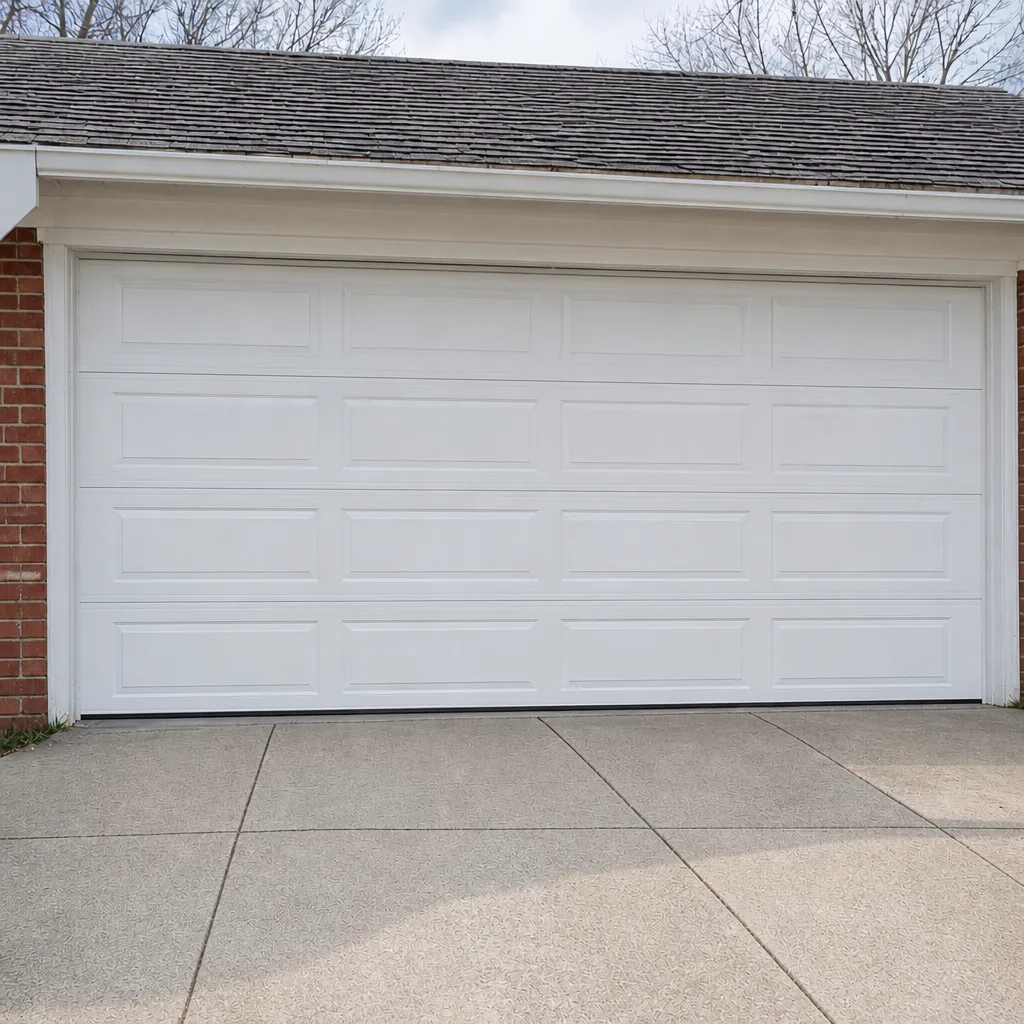
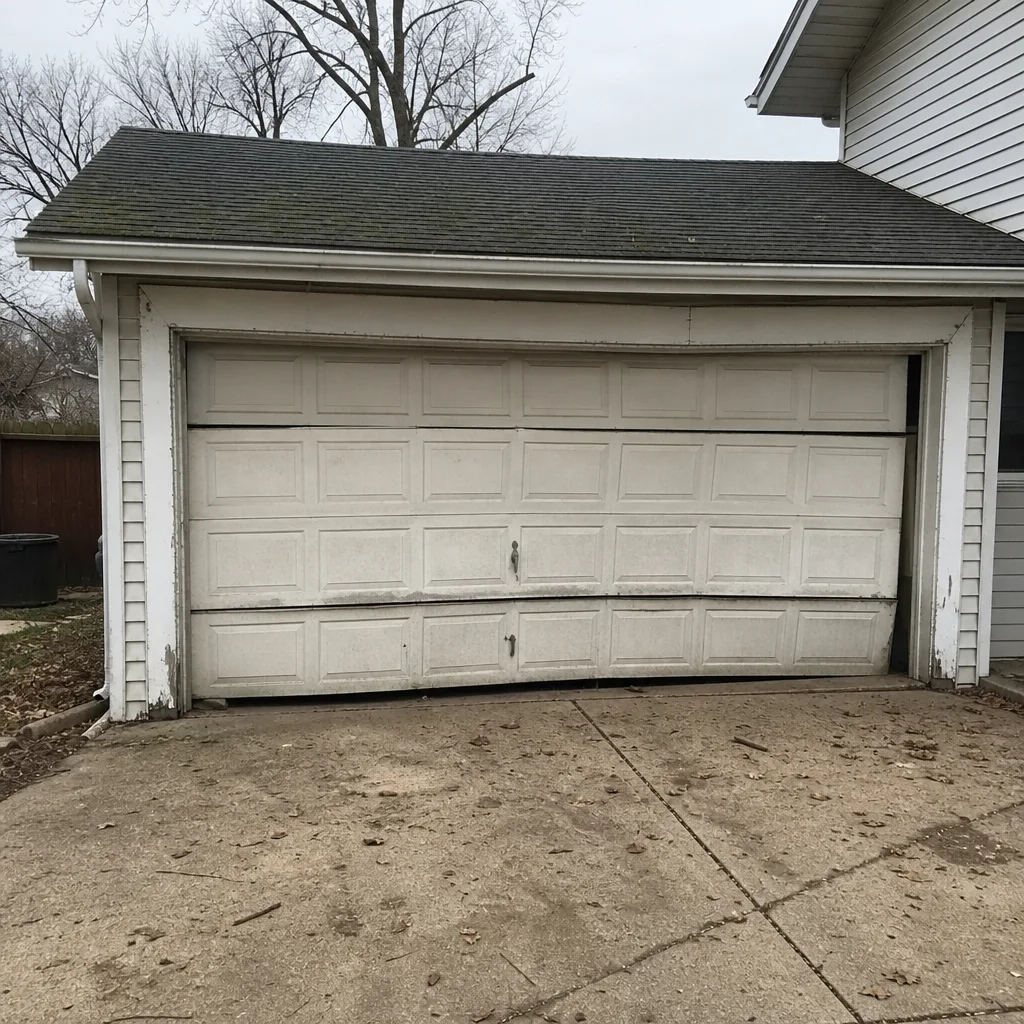
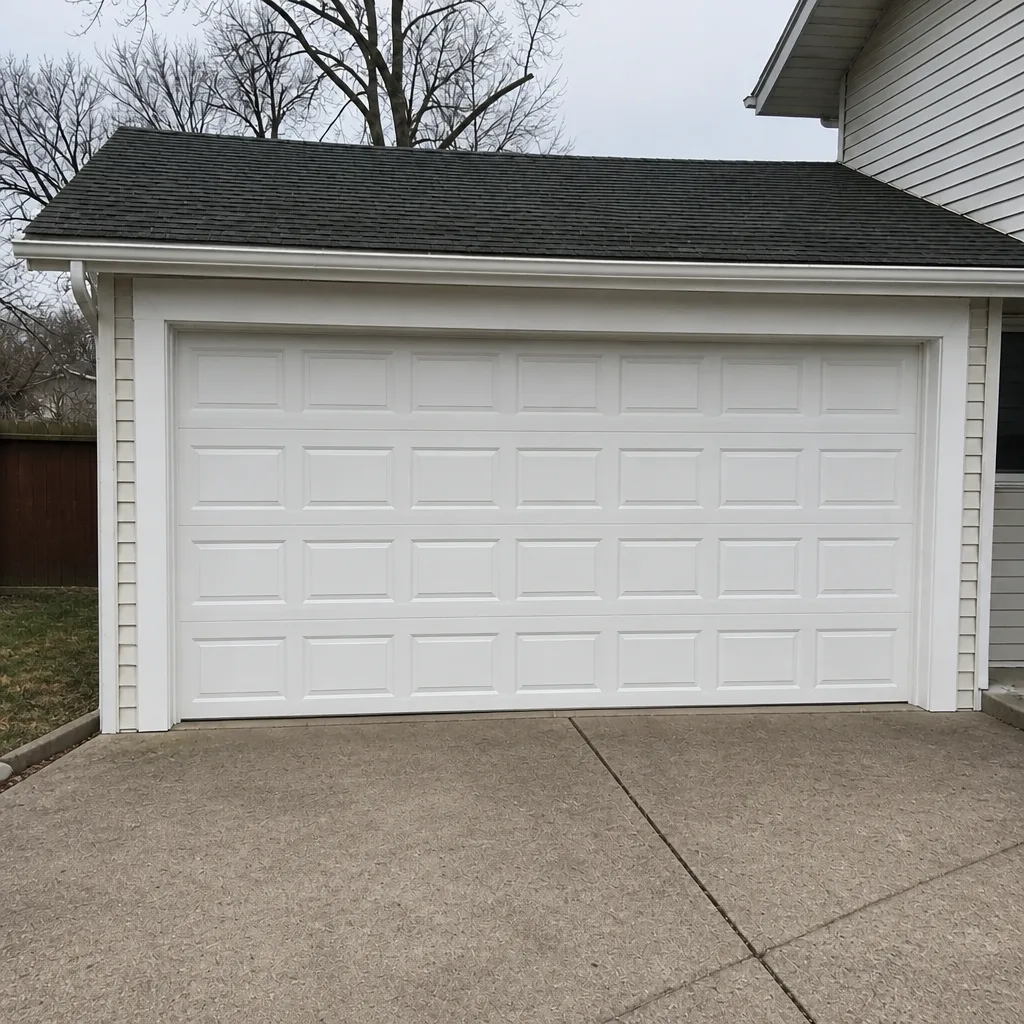
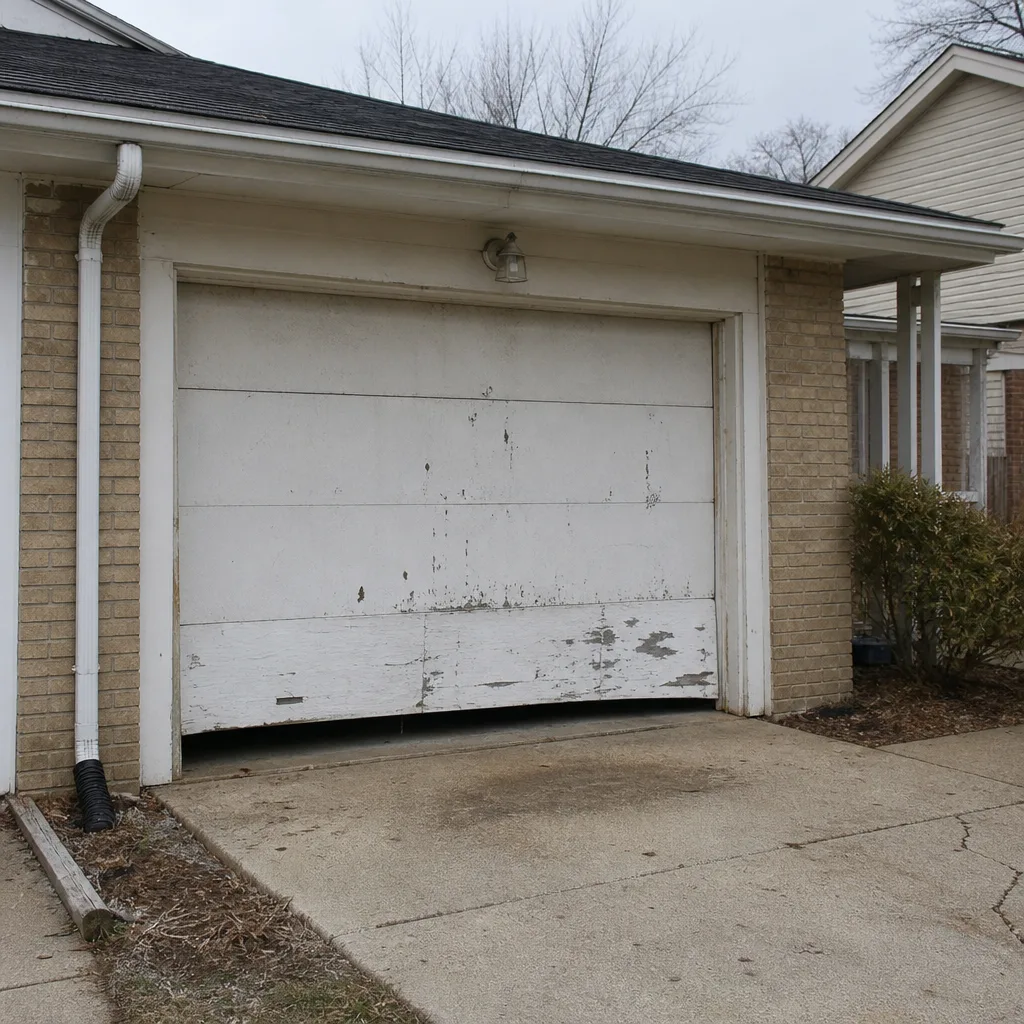
See the difference
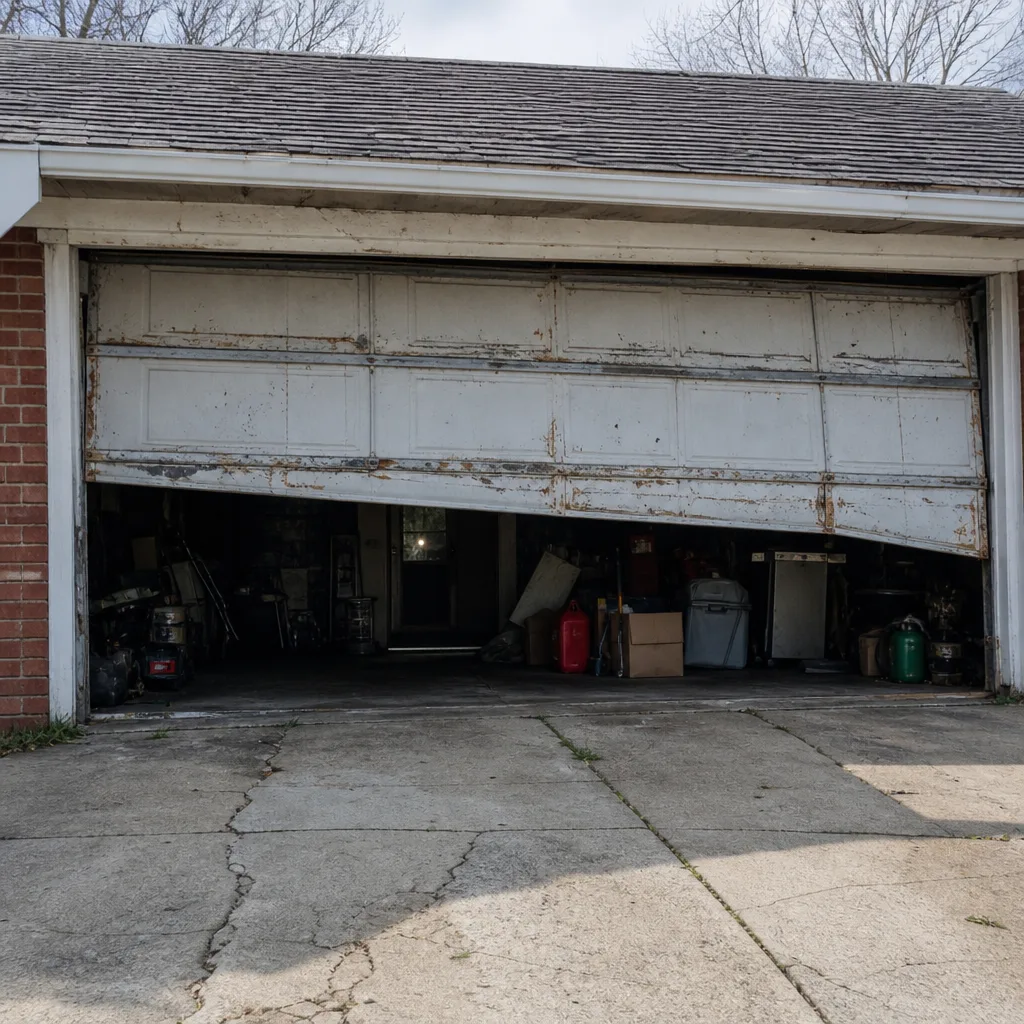 Before
 After
 Before
 After
 Before
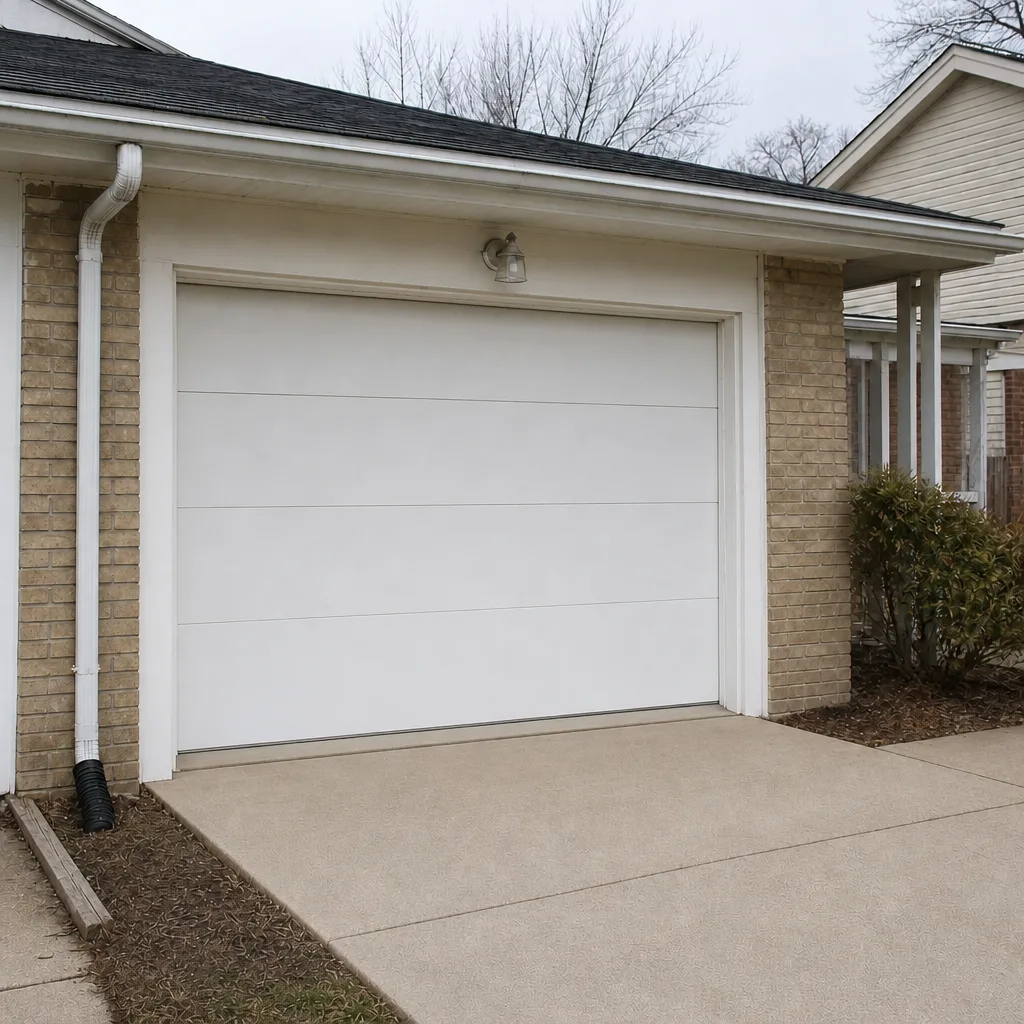 After
When to Call a Professional
Call a professional if a spring is visibly broken, if the door is off the track, if the opener runs but the door doesn’t move, if a panel is bent enough to affect the door’s movement, or if the door won’t close flat. Those are the situations where a homeowner can get hurt trying to fix things themselves. Spring work in particular involves stored energy that can cause serious injury, and it’s not a job for a homeowner with a set of hand tools. The safer path is a free estimate and a written price before anything starts. Beverly Garage Door Repair Pros offers free estimates in Beverly – call (888) 762-7611. We answer 24/7. Fast dispatch from 7am to 7pm, Sunday through Friday. Our technicians have up to 11 years of experience, and every repair is scheduled with the same specialist team that handles installation.
Frequently Asked Questions
Stop using the door and don’t force it by hand. A broken spring means the door has lost its weight support, and a 200- to 400-pound door can come down unexpectedly. Leave the door down if it’s down, secure it if it’s stuck open, and call for spring repair. Call (888) 762-7611 – estimates are free.
Yes. Pull the release cord once to disconnect the opener, then lift the door by the bottom panel with both hands. Re-engage the opener by pressing the wall button once the power is back. If the opener runs but the door doesn’t move, the carriage didn’t re-latch – call for service rather than forcing it. Call (888) 762-7611 for an exact quote – estimates are free.
Typical spring repair in Beverly runs around $180 to $340 for a single spring, with a matched pair usually costing about twice that because both springs are typically replaced together. The written estimate sets the final price, and it’s quoted before any work starts. Call (888) 762-7611 for an exact quote – estimates are free.
No. The written estimate is the price, and it’s agreed before the technician starts work. If the diagnosis changes after the technician inspects the door – for example, a bent track turns out to need replacement – that’s discussed and re-quoted before anything is done. You’ll never get an invoice that’s larger than the quote you agreed to. Call (888) 762-7611 for an exact quote – estimates are free.
Pull the release cord and lower the door by hand if the springs are intact. If the door seats flat, lock it with the manual slide-bolt or locking handle. For a detached alley garage where the door won’t close flat, block the opening from inside and padlock the track if the hardware allows. Call (888) 762-7611 to get the repair scheduled.
The local pro we connect you with is licensed and insured as their state requires. Our team works on LiftMaster, Chamberlain, Genie, Clopay, Amarr, Wayne Dalton, Craftsman, and Raynor systems, and our technicians have up to 11 years of experience. Call (888) 762-7611 for a free estimate.
The Bottom Line
Most garage door emergencies in Beverly follow predictable patterns: springs break in cold snaps, openers fail in power outages, panels get hit by vehicles in tight alley garages, and doors get stuck open at the worst possible time. Knowing how your door behaves when something fails – and what to do in the first ten minutes – is what turns a disaster into a same-day repair. Check your springs before winter, keep a manual release plan, and know how to describe the failure so the right technician shows up. If you’re facing a garage door problem right now, call (888) 762-7611. We answer 24/7. Fast dispatch from 7am to 7pm, Sunday through Friday. Estimates are free, and the price is set by the written estimate before any work begins.
Written by the team at Beverly Garage Door Repair Pros.