
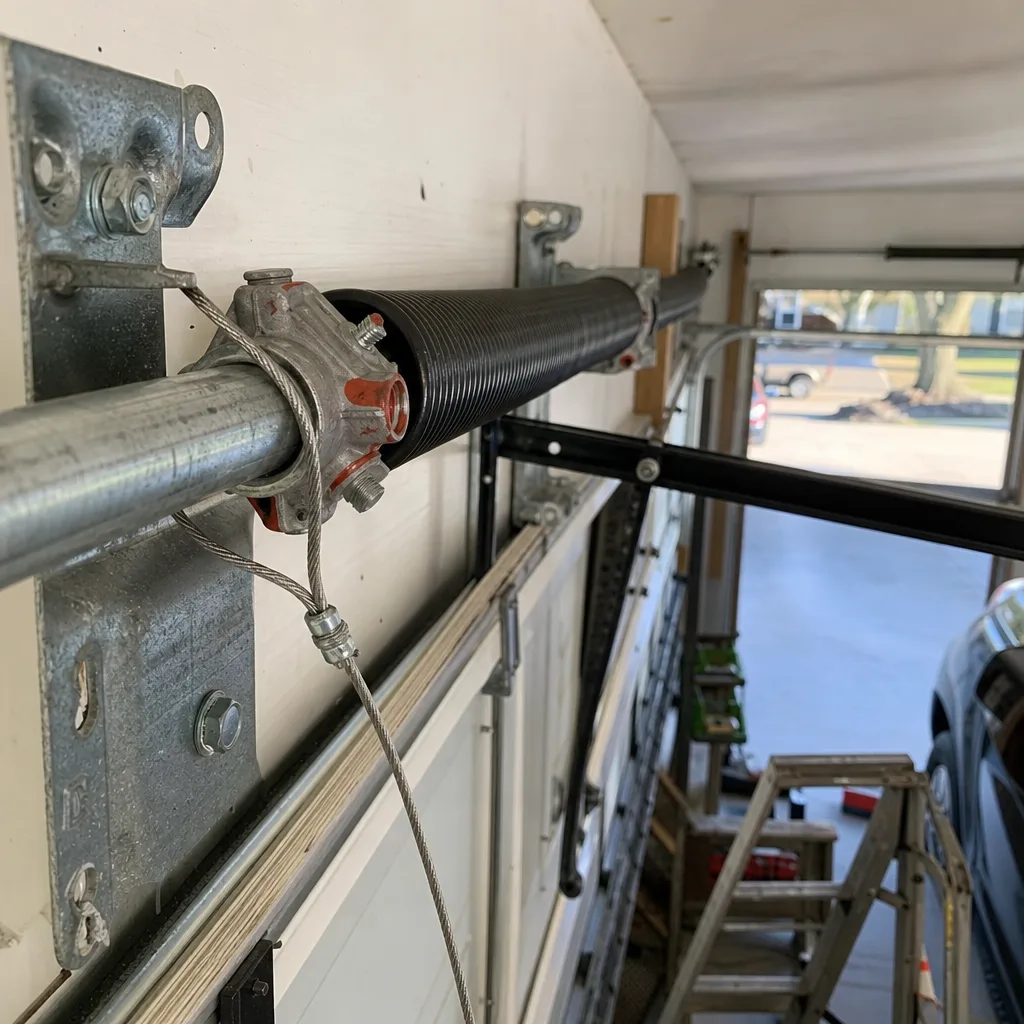
Last updated November 21, 2026
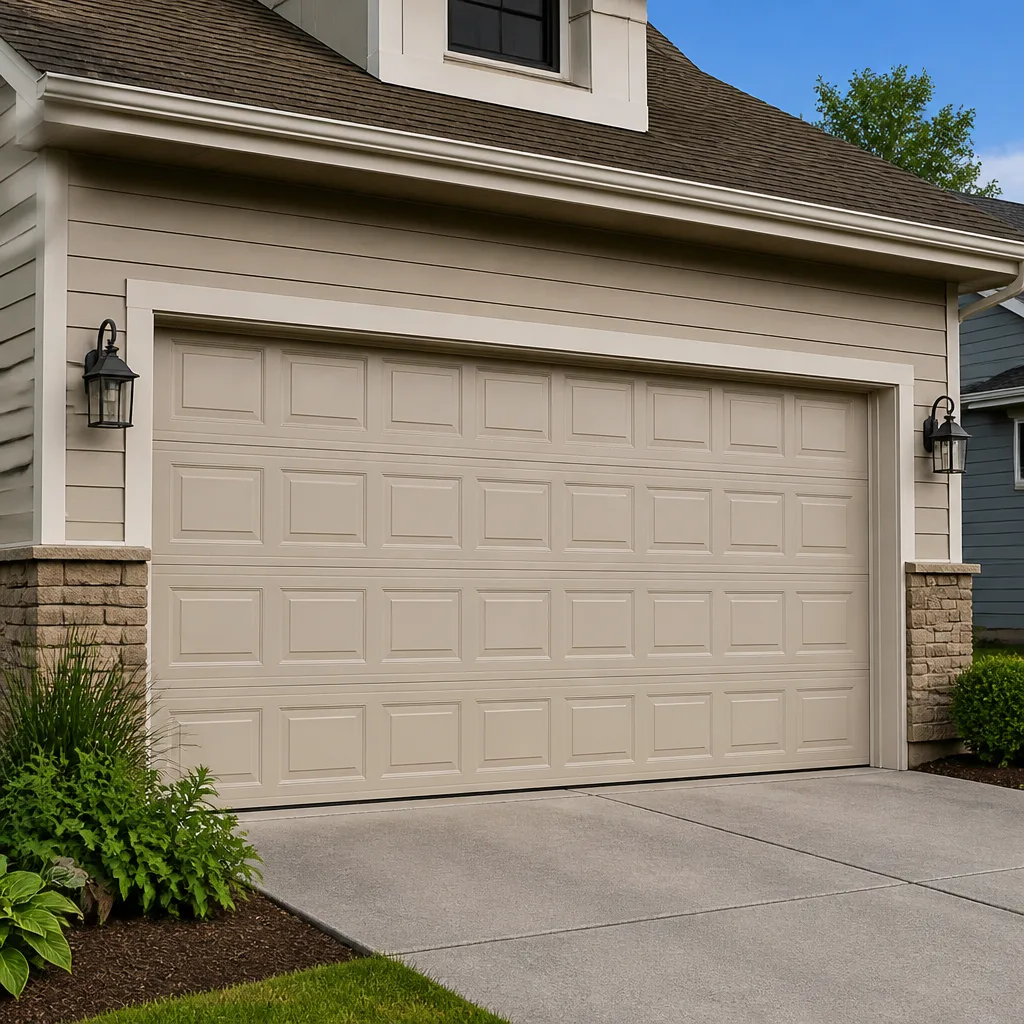 Raised-panel steel
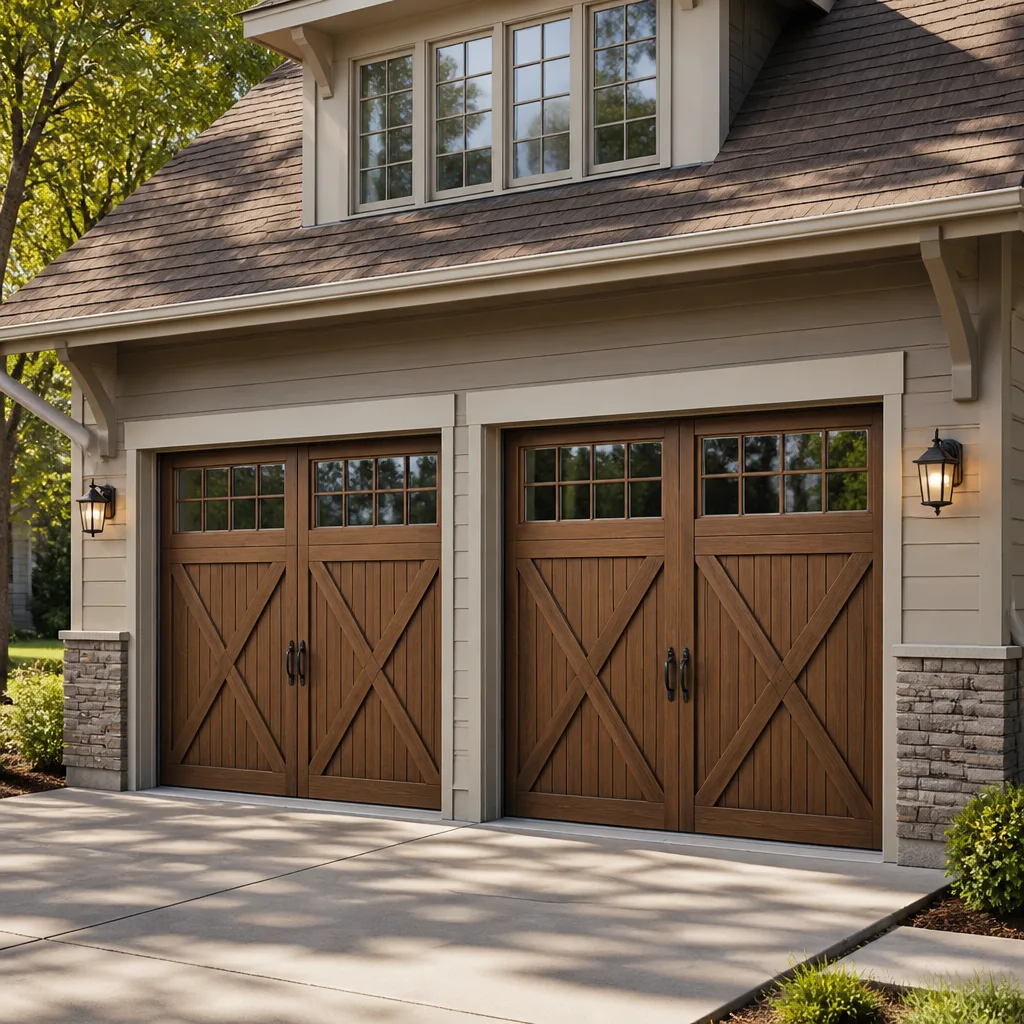 Carriage house
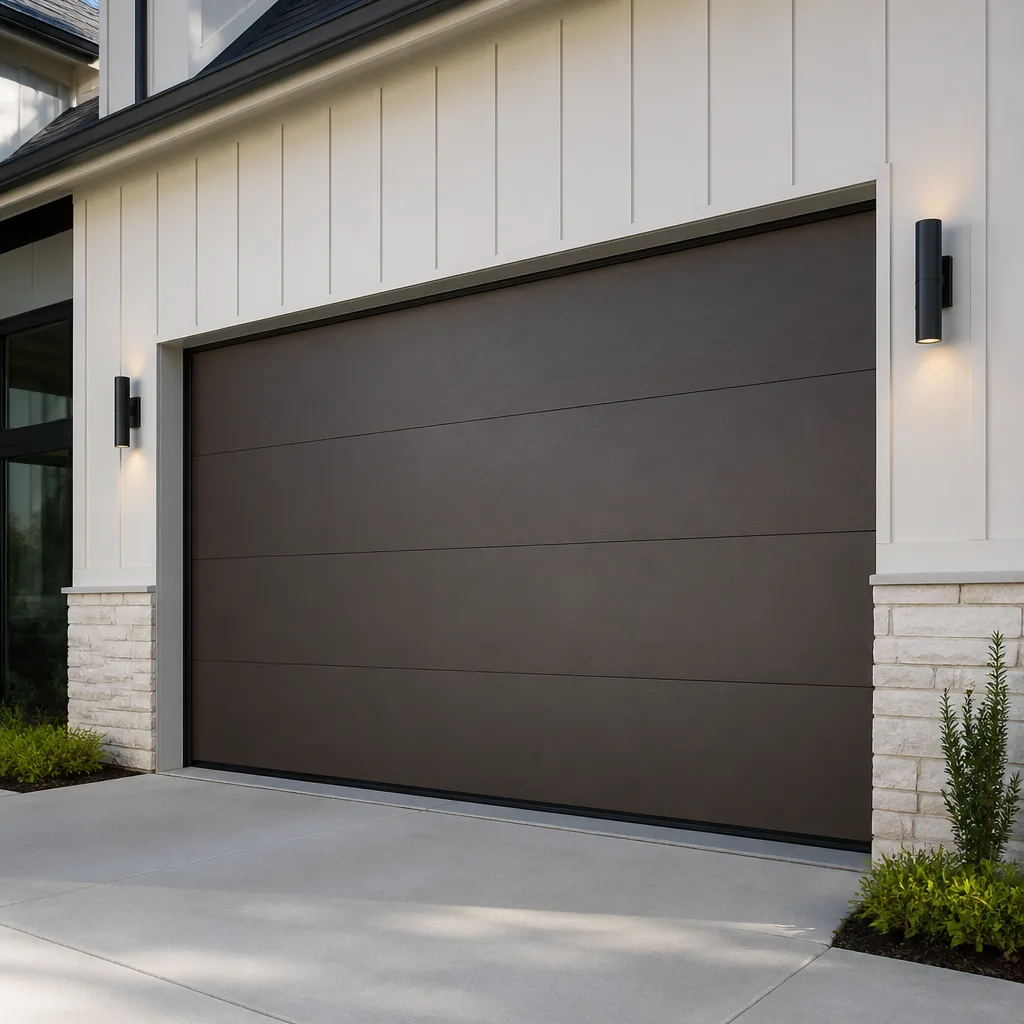 Modern flush
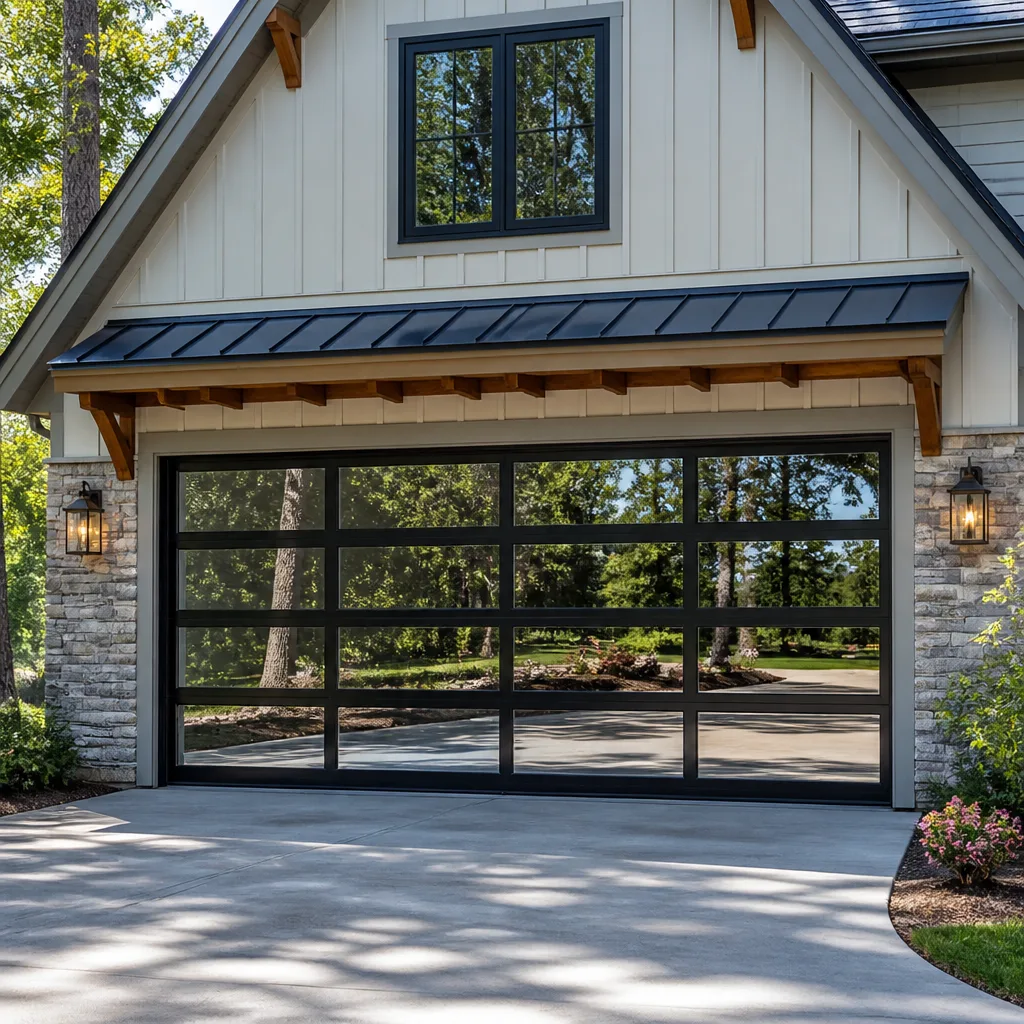 Full-view glass
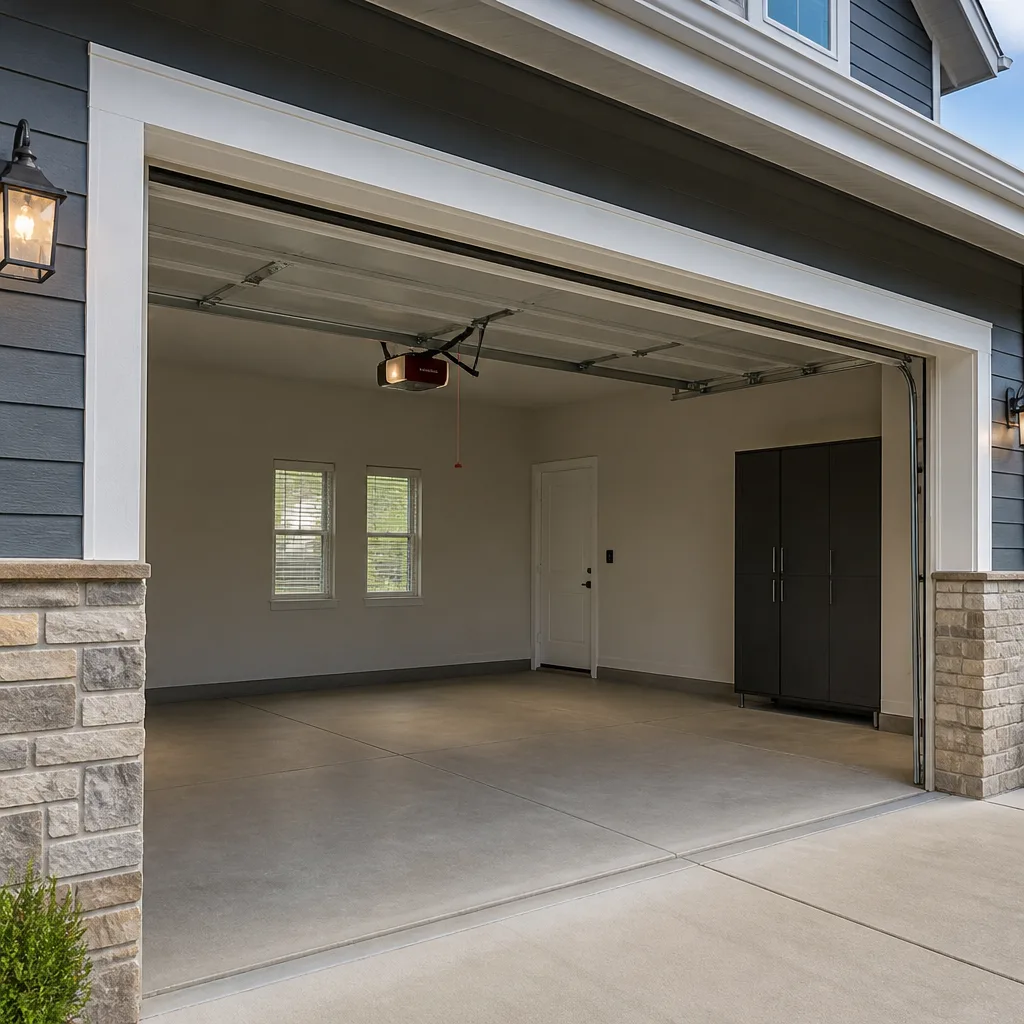 LiftMaster openers
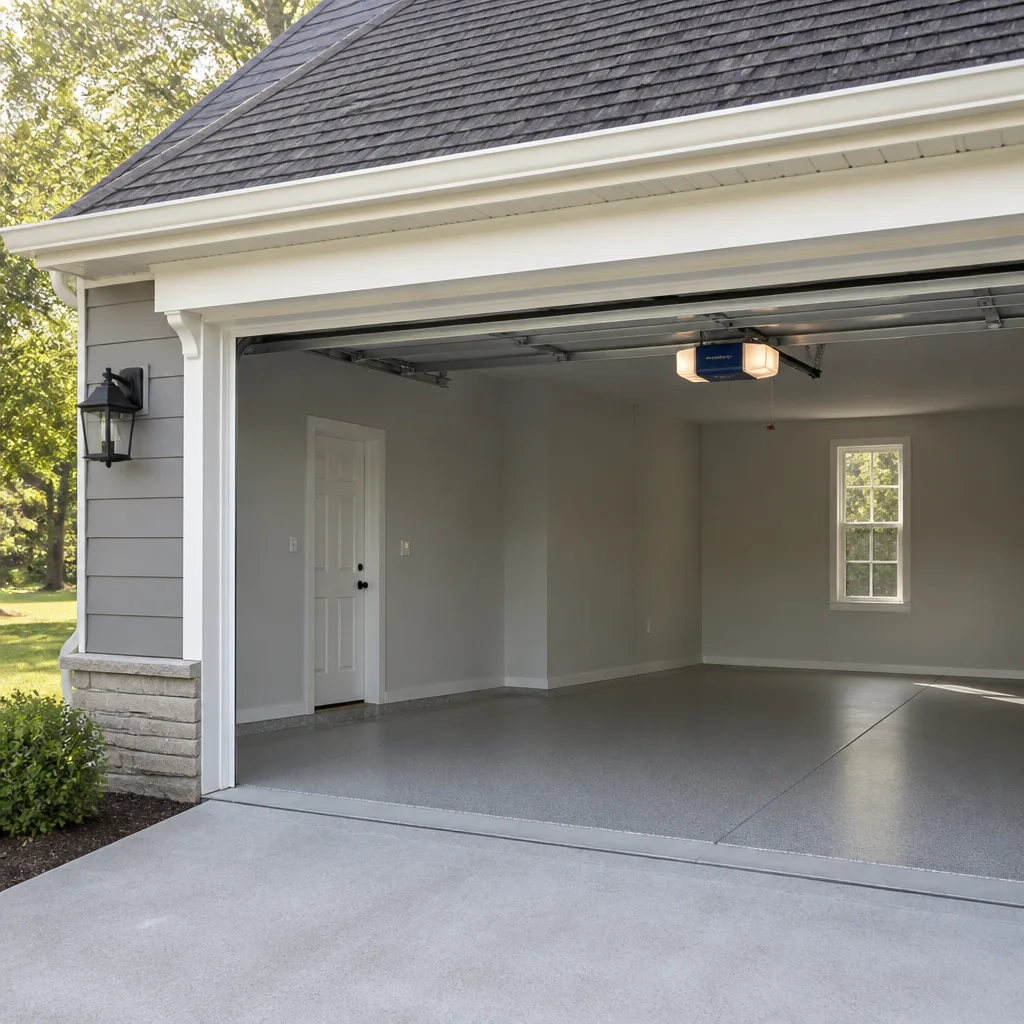 Chamberlain openers
Full 25-point door and opener safety check with every visit - springs, cables, rollers, tracks, and your LiftMaster or Chamberlain opener included
You get a price before we start. It does not change when the pro arrives.
Get your free estimateGarage Door Permits, Codes & Inspections in Beverly, IL: What You Need to Know
Here’s the part of garage door work that surprises people: a brand-new door can fail a real estate closing even though nothing is wrong with the door. In Beverly, the paperwork is often what determines whether a garage door project is simple or complicated. A door swapped out like-for-like usually needs no permit at all. But the moment a job touches the structural header, the track anchoring, or a new electrical circuit for an opener, it slides into permit territory, and that’s where title problems at resale get created. This guide walks through the trigger points under Illinois building code and the Beverly and Chicago Ridge municipal overlays, which upgrades cross into electrical permits, how to check permit history on an existing installation when you’re buying a home, what a municipal inspector actually looks for, and how to sequence the work so your garage doesn’t sit open during approval.
Quick Answer
A like-for-like garage door replacement in Beverly generally does not require a permit, but any job that alters the structural header, changes the opening size, or adds a new electrical circuit for an opener does. That includes most commercial-grade 240V opener upgrades. When a permit is required and skipped, the unpermitted work can surface as a title or insurance problem at resale, long after the installer has left. The safest move is to ask the building department for the specific municipality your Beverly address falls in before work begins, because Beverly straddles more than one jurisdiction.
Styles & brands we work with
- Raised-panel steel
- Carriage house
- Modern flush
- Full-view glass
- LiftMaster openers
- Chamberlain openers
Table of Contents
- When Does a Garage Door Project Need a Permit in Beverly?
- The Structural Triggers Most Homeowners Miss
- When an Opener Upgrade Crosses Into Electrical Permit Territory
- How to Check Permit History Before You Buy a Beverly Home
- What an Inspector Actually Checks vs. What Contractors Tell You
- How Long Permits Take and How to Sequence the Work
- Unpermitted Work and Your Homeowner’s Insurance
- Common Mistakes to Avoid
When Does a Garage Door Project Need a Permit in Beverly?
The short answer: a straight swap of an existing door with a new one of the same size, in the same opening, using the same track layout, usually needs no permit. What triggers the requirement is change. Anything that changes the size of the opening, moves the header, alters how the door is anchored to the structure, or adds new electrical service pushes the job into the category the code treats as a structural alteration or an electrical addition, and those require a permit.
Beverly sits on the southwest side of Chicago, and addresses here don’t all fall under the same building department. A property near the 95th Street corridor may be under City of Chicago jurisdiction, while addresses further out in the Beverly and Morgan Park area may fall under a different municipal overlay. That matters because permit rules aren’t identical from one jurisdiction to the next. Before you authorize any structural garage door work, confirm which department covers your address. It’s a two-minute phone call that prevents a two-month problem.
Here’s the practical framework we use when a Beverly homeowner asks whether their project needs a permit:
- No permit usually required: replacing a door panel or panels with matching panels, replacing rollers, hinges, cables or springs, replacing an opener with a unit of the same voltage and amperage, or a full door swap that matches the original opening dimensions and track anchoring exactly.
- Permit typically required: widening or lowering the opening, replacing or modifying the structural header, changing from a sectional door to a roll-up, adding new electrical service for a 240V opener, or rebuilding a track system where the anchoring method changes.
- Ask the building department directly: any job where the new door is significantly heavier than the one it replaces, or where the garage has been modified in the past without documentation.
If you’re not sure which category your project falls into, describe the scope to us and we can tell you which questions to ask your building department. That’s part of how we handle garage door installation in Beverly. Our technicians have up to 11 years of experience, and we’ve seen exactly which jobs trigger a permit and which don’t.
The Structural Triggers Most Homeowners Miss
Most permit problems don’t come from the door itself. They come from the header. The header is the horizontal beam above your garage door opening, and it’s what carries the load of the wall above it. When a bonded and insured installer measures for a new door and finds the existing header is too low or the opening is too small for the door the homeowner wants, the fix often involves cutting into or replacing part of the header. That is structural work. Under the Illinois building code, structural alterations to a load-bearing element require a permit, and that includes header modifications for a garage door.
Chicago-area garage construction has a few characteristics that make this come up more often than you’d expect. Many older garages in Beverly were built with custom opening heights that don’t match modern standard door sizes. When a homeowner wants a new Clopay or Amarr door in a standard size, the opening sometimes has to change to accommodate it. That change is what triggers the permit. The door is the same door. The opening is what’s different.
Beyond the header, the other common triggers we run into:
- Opening dimensions changing by any amount. A door that fits an opening two inches taller means the header moves two inches, and the anchoring changes to match.
- Changing the anchoring method. If a new track system requires anchoring into different framing than the original door used, that’s a modification to how the door attaches to the structure.
- Reinforcing a header that has begun to sag. A sagging header over a garage door is a structural sign and needs to be addressed with proper engineering, not patched over.
- Converting a manual door to an automatic one with a new electrical circuit. This is the opener question, and it’s worth treating separately because the electrical side has its own rules.
If your project involves a header modification, the safest sequence is straightforward: have the structural scope documented first, pull the permit if required, then order the door. Order the door first and you may end up with a call from your building department asking why the framing already changed.
When an Opener Upgrade Crosses Into Electrical Permit Territory
Opening a new circuit for a garage door opener is electrical work, and electrical work generally requires a permit. The wrinkle is that most residential opener replacements don’t add a circuit. They swap a 120V opener on an existing circuit for another 120V opener on the same circuit, and that’s a straight replacement that a competent installer handles without a permit. The permit question only comes up when the electrical service changes.
The clearest example is a 240V commercial-grade opener. A homeowner who wants the heavier lifting capacity of a commercial unit is asking for a new 240V circuit, not a swap. That is a new electrical circuit, and it falls under the electrical permit requirements for the municipality. The same is true when an older garage has no opener circuit at all and one has to be run from the panel. That’s new electrical work, and it needs to be permitted and inspected.
A few real-world scenarios worth knowing:
- Replacing a Chamberlain or Genie unit with another 120V unit on the existing circuit. Straight replacement. No electrical permit in most jurisdictions.
- Adding an opener to a manual door where no circuit exists. New circuit required. Electrical permit territory.
- Upgrading to a 240V commercial-grade opener. New circuit and likely a panel capacity check. Permit required.
- Adding a second opener for a two-car garage that previously had one. Depends on panel capacity and whether a new dedicated circuit is needed.
The reason this matters isn’t just the permit fee. Electrical work done without a permit and without inspection is a common reason insurance claims get denied after a fire, because the insurer will ask who did the electrical work and whether it was inspected. When we handle garage door opener repair, we flag any situation that involves new electrical service so you can make the permit decision before work begins rather than after.
How to Check Permit History Before You Buy a Beverly Home
If you’re buying a home in Beverly and the garage door was recently replaced, you need to know whether the installation was permitted. This is one of the most common title issues that comes up at closing, and it’s also one of the easiest to catch early if you know where to look. The investment of a phone call now is worth far more than the repair you’d be doing if a title company flagged it late in the process.
Here’s the process we recommend:
- Identify the governing building department. Call your real estate agent or look up the city or village that issues building permits for the property’s exact address. In Beverly, this may be the City of Chicago or an adjacent municipality, and the wrong department will simply tell you they don’t have the record.
- Request the permit history for the address. Most building departments will provide a permit history on request, either online or over the phone. Ask specifically for permits pulled on the garage, not just the house.
- Match the permit date to the door installation date. If the door was replaced within the last several years and no garage permit appears in the history, that’s a flag worth asking about.
- Ask the seller for the permit and inspection records if a permit exists. A pulled permit that never got inspected isn’t much better than no permit at all, because the inspection is what closes the permit.
- Ask the seller to warrant the installation or price a re-permit into the deal. If the work was structural and unpermitted, the seller can either pull the permit retroactively or adjust the price to account for the cost of doing so.
For any door installed by a previous owner, don’t take a claim of “it was all done properly” at face value. Look at the permit record. It’s the only independent proof of the installation’s legality, and it’s what your lender’s title company will care about if the question comes up.
What an Inspector Actually Checks vs. What Contractors Tell You
Here’s the disconnect we run into in Beverly: contractors often tell homeowners that the inspection is mostly a matter of “they look at the door and make sure it opens.” That’s not what happens. A municipal inspector working a garage door permit is checking structural and life-safety criteria, and a door that opens and closes smoothly can still fail an inspection on any number of those criteria. Knowing what the inspector actually checks before the door goes on saves a re-inspection.
What inspectors typically verify:
- Header integrity and construction. The inspector checks that any header modification was done to the engineering documentation, that the materials meet the specifications on the permit application, and that the header is properly secured. Undocumented changes fail.
- Anchoring into framing. The track and spring anchor plate must be secured into structural framing, not into drywall or sheathing alone. Inspectors check this directly.
- Spring and cable installation. The spring system must be installed and mounted correctly with the required safety containment. This includes checking that the correct spring is used for the door’s weight.
- Electrical connections and grounding. For any new electrical circuit, the inspector checks that wiring is done in accordance with the electrical code and that the circuit is properly grounded to the panel.
- Safety features on the opener. Non-contact reversing sensors at the door base and a working auto-reverse system are typically checked when an opener is part of the permit scope.
- Documentation matching. The door model, opening dimensions and hardware on the door should match the approved permit plans.
The most common inspection failure we see is anchoring. A door can look perfect and still fail because the installer used the wrong fasteners or anchored into the wrong framing member. When we’re involved in a project that has a permit, we verify anchoring against the approved plans before scheduling the inspection.
How Long Permits Take and How to Sequence the Work
Permit timelines vary by municipality and by the complexity of the work, so the practical answer is that you should always plan the door around the permit, not the permit around the door. In the Beverly area, most simple residential permits review in a matter of weeks, while structural alterations that require plan review may take longer. If the timeline matters, the right move is to submit the permit application first, order the door second, and schedule the installation only after the permit has been issued.
Here’s the sequence that keeps your garage from sitting open during approval:
- Get the project measured and documented. Before anything else, have the structural scope written down. Opening dimensions, header condition, track anchoring plan, and any electrical scope. This is the foundation of a permit application.
- Confirm which department governs your address and ask for the permit requirements in writing. Ask specifically what they need in the application, what the typical review timeline is, and whether plan review is required for your scope.
- Submit the permit application and wait for approval. Don’t order the door until the permit is issued. If your door needs to be custom-built and takes several weeks to arrive, you can sometimes overlap the lead time with the permit review, but only after confirming with the building department that this is acceptable.
- Order the door and schedule the installation. With permit in hand, the installation can be scheduled for the door’s arrival; the installer has what they need and the inspection can be booked at the end.
- Book the inspection for the day of or the day after installation. The door doesn’t have to be open and unusable for long if the inspection is scheduled in advance. If your door must remain off the garage while the permit reviews, plan your parking and household access accordingly.
Total timeline from first phone call to inspected door is typically several weeks, and it can be longer for structural work that requires plan review. If your current door is failing and you have a hard deadline for a covered garage, ask your building department about phased inspection timing before you commit to a start date.
Unpermitted Work and Your Homeowner’s Insurance
Your homeowner’s insurance policy requires you to disclose certain improvements, and unpermitted structural work creates a specific risk: if the work causes a covered loss and the insurer discovers it was never permitted or inspected, they can deny the claim. This applies to the garage door the same way it applies to an addition. The insurer’s position is that unpermitted work is undisclosed risk, and they’re within their rights to decline a claim that involves it.
The situation is made worse by the fact that unpermitted work is only a risk on paper until something goes wrong. A garage door header that’s been modified without engineering doesn’t fail on a schedule. It sits there until a heavy snow load or a high wind finds the weak spot. When it fails, the claim is examined, and the absence of a permit comes up.
What to do if you discover unpermitted work on a Beverly home you already own:
- Have the work inspected by a qualified professional. A licensed structural engineer or a garage door specialist with structural experience can evaluate whether the work was done properly, regardless of the paperwork.
- Ask your building department about retroactive permitting. Many jurisdictions allow a property owner to apply for a permit after the fact. The work is inspected as it stands, and if it’s compliant, the permit closes and the paper trail is restored.
- Disclose the work to your insurer if there’s ambiguity. Being upfront about unpermitted work you inherited gives your insurer a chance to underwrite it, and that’s better than being surprised at claim time.
- Document any remediation. Keep the permit applications, inspection records and invoices, because those become your proof of compliance for any future sale or claim.
The better outcome, of course, is to avoid the situation entirely. When we handle garage door repair and installation in Beverly, we flag the permit question early so nothing gets done that later turns into a title or insurance problem.
Common Mistakes to Avoid
- Assuming a full replacement never needs a permit. The door doesn’t determine the permit; the structural and electrical scope does. A perfect like-for-like swap usually needs no permit. A door swap that changes the opening or the anchoring often does.
- Ordering the door before the permit is issued. If plan review takes longer than expected, you’re left with a custom door in a box and a garage that’s still pending approval. Sequence the permit first.
- Accepting a contractor’s blanket “no permit needed” without checking. Contractors can be right about the door scope and still be wrong about the municipality’s requirements. Ask your building department directly.
- Paying for a new door without checking the permit record on a home you’re buying. This is where unpermitted work hides. Request the garage permit history before you close.
- Upgrading to a 240V opener without an electrical permit. New electrical service is permitted work in most Beverly-area jurisdictions. Skipping the permit means skipping the inspection.
- Assuming a pulled permit was also inspected. A permit that never got a final inspection is functionally similar to no permit at all for resale and insurance purposes. Always ask for the inspection record, not just the permit.
- Letting the permit timeline blow up your week without warning. If the door has to come off while the permit reviews, you need to know that before the door comes off. Confirm the inspection scheduling with the building department before the work starts.
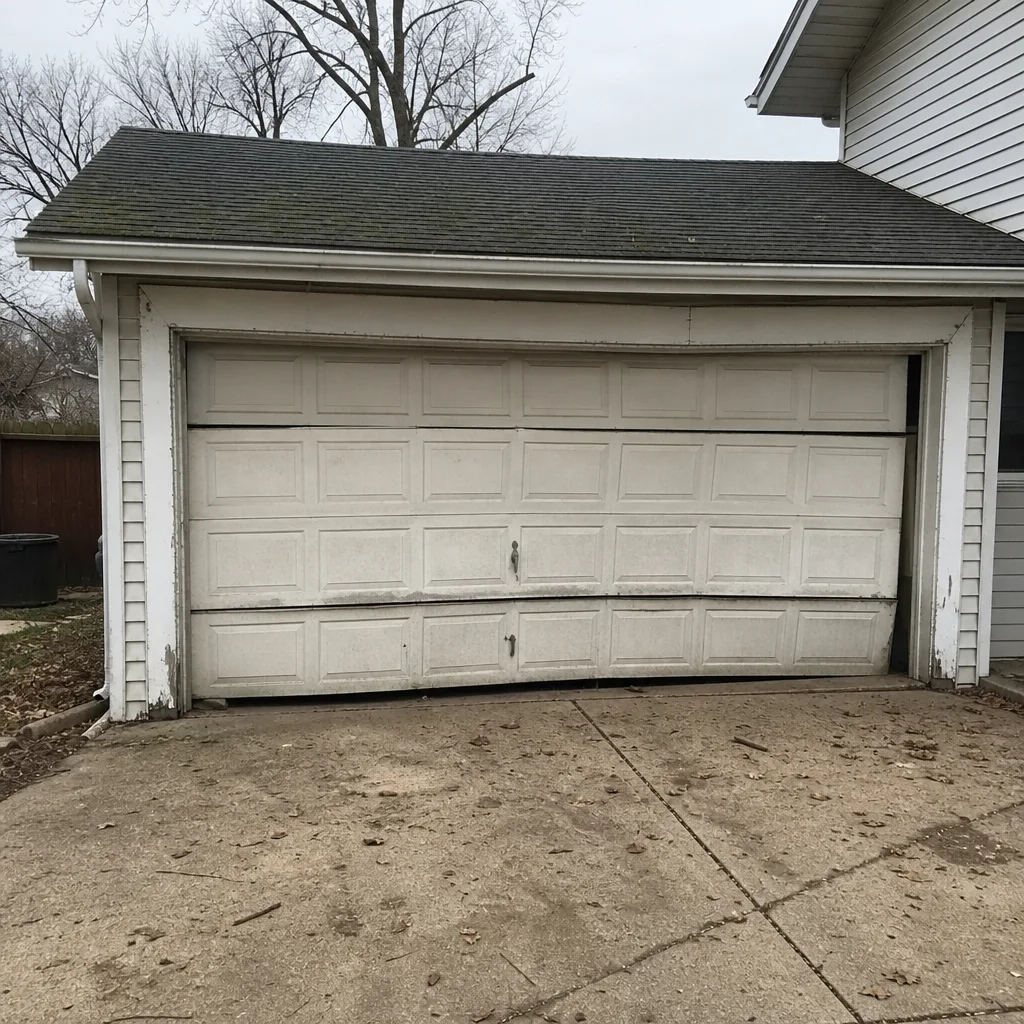
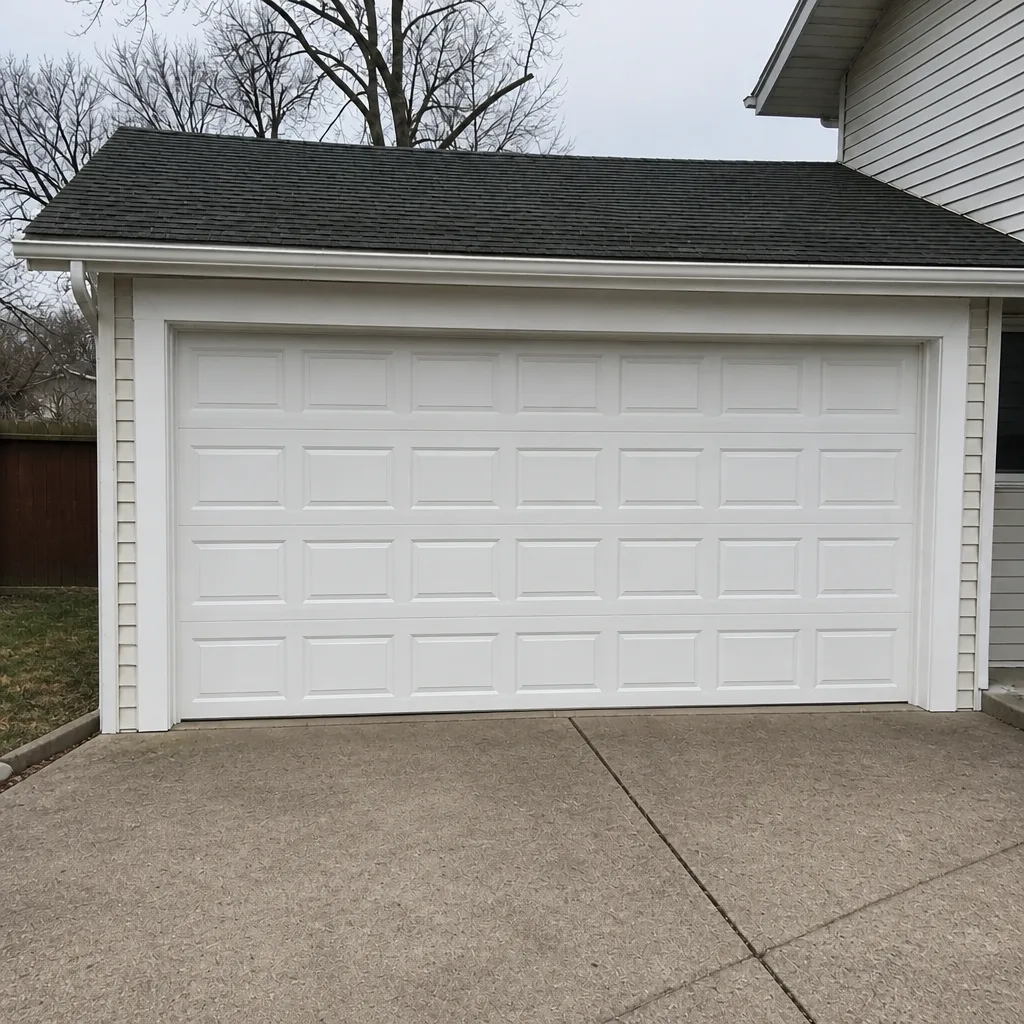
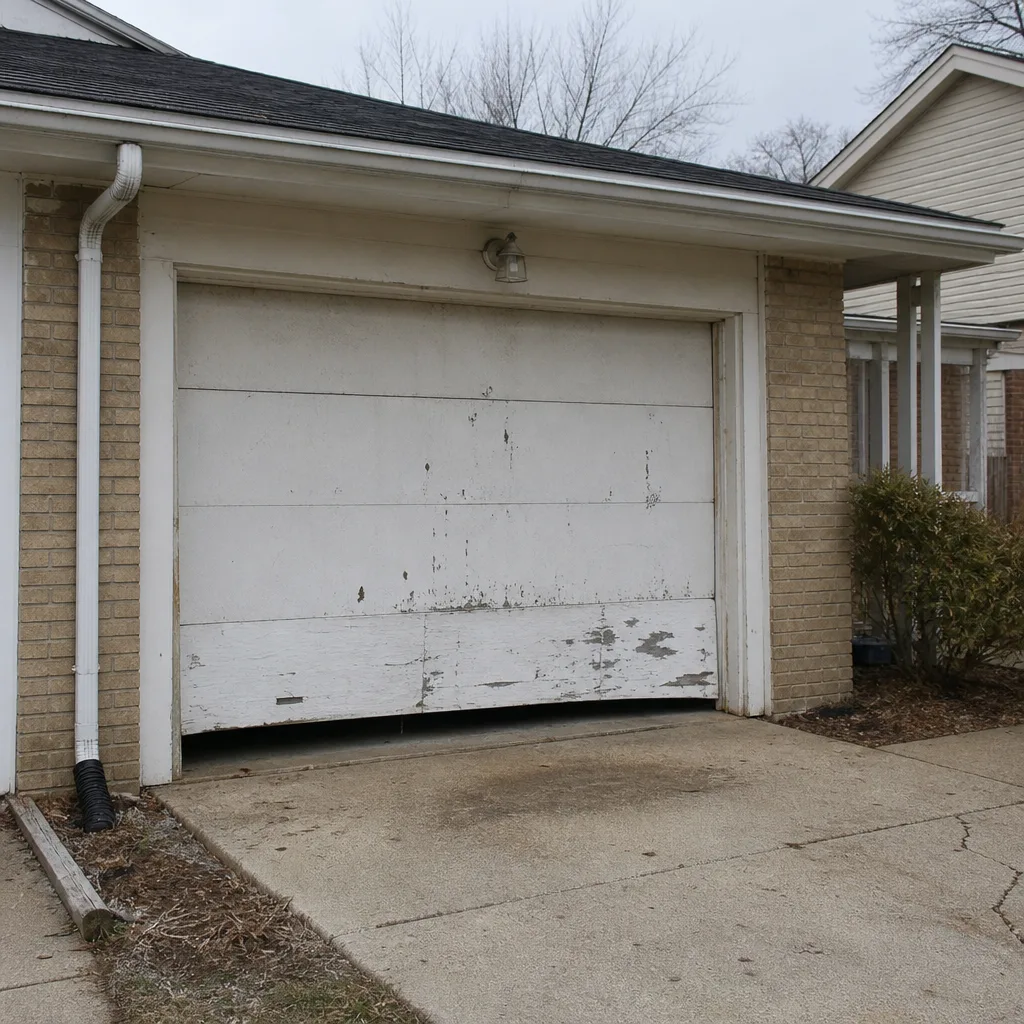
See the difference
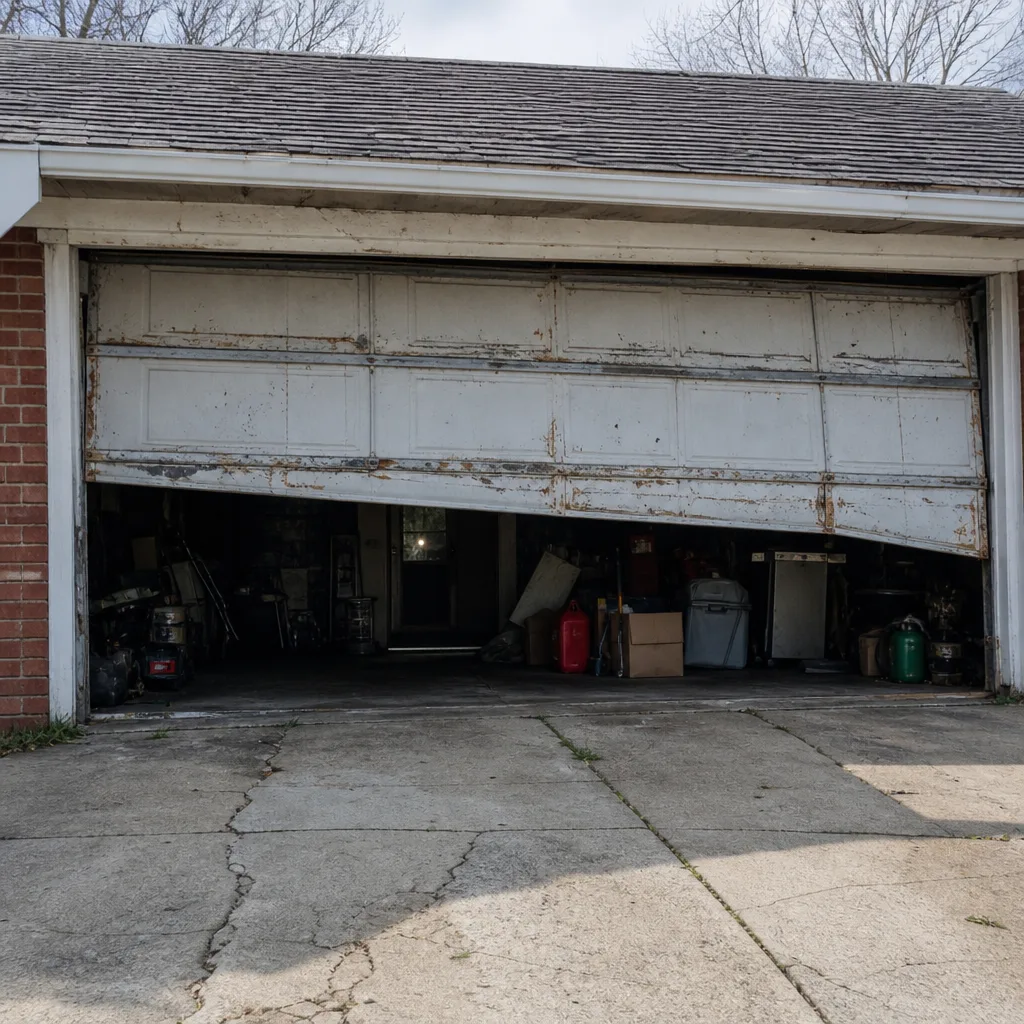 Before
 After
 Before
 After
 Before
 After
When to Call a Professional
If your project touches the header, changes the opening dimensions, or adds new electrical service for a 240V opener, bring in a professional before you make any commitments. Those are the jobs where the permit question has real consequences, and where the structural scope has to be documented correctly before an application goes in. The same is true if you’re buying a Beverly home with a recently installed garage door and you need the permit history checked. That’s a job for someone who knows the local jurisdiction map and can read the record.
Springs and cables are a separate category of “call a professional.” Those are the highest-tension components in the whole system, and they’re not a do-it-yourself item even for a competent homeowner. The same logic applies to any header work: moving a structural beam over a garage opening is not a job for guesswork. Beverly Garage Door Repair Pros offers free estimates in Beverly. Call (888) 762-7611.
Frequently Asked Questions
A like-for-like garage door replacement in Beverly usually does not require a permit, but any job that alters the structural header, changes the opening size, or adds new electrical service does. The door itself is rarely the trigger. The structural and electrical scope around it is what determines whether you need a permit. Call (888) 762-7611 if you want to talk through your specific project, and we can tell you which questions to ask your building department.
Replacing an existing 120V opener with another 120V unit on the same circuit usually does not require an electrical permit, but adding a new circuit for a 240V commercial-grade opener or an opener in a garage that had none does. The electrical permit applies to new service, not to straight equipment swaps. If your project adds a circuit, that’s a permit item, and the inspection is part of the process.
Call the building department that governs the property’s specific address and request the permit history for the garage. Beverly straddles more than one jurisdiction, so confirm the correct department first. Ask for both the permit record and the final inspection record. If the door was installed recently and no permit appears, ask the seller to address it before closing.
The work exists but the paperwork doesn’t, and that gap can surface as a title issue at resale or a claim denial with your insurer. Unpermitted structural work is a real risk because the insurer treats undisclosed work as undisclosed risk. The fix is usually a retroactive permit and inspection once the work is discovered.
Simple residential permits often review in a matter of weeks, and structural alterations that require plan review can take longer. The exact timeline depends on the governing municipality and the scope of the work, so ask the building department directly for their typical review window. The practical rule is to submit the permit before ordering the door, not after.
Your insurer may decline a claim if the covered loss involves unpermitted work, because the work was never inspected. A door installed with a permit and final inspection is treated as documented work, and a claim that touches it is harder for the insurer to dispute. If you own a Beverly home with unpermitted work, retroactive permitting is usually the cleanest fix.
The Bottom Line
In Beverly, the door is almost never the permit question. The structural and electrical scope around it is. Know which municipality governs your address, check the permit history on any home you’re buying, and treat header modifications and new electrical service as permit-required work until the building department tells you otherwise. Order the permit before the door, schedule the inspection along with the installation, and keep the final inspection record for resale and insurance. If you’re not sure which category your project falls into, we can help you sort out the structural and electrical scope before anything gets ordered. The team at Beverly Garage Door Repair Pros handles the garage door work itself, from a spring repair to a full installation, and we’ve seen every version of the permit question come up in this part of the city. We work on LiftMaster, Chamberlain, Genie, Clopay, Amarr, Wayne Dalton, Craftsman and Raynor systems, so the door side of the project is well covered.
Call (888) 762-7611 for a free estimate. We answer 24/7. Fast dispatch from 7am to 7pm, Sunday through Friday. We’re closed on Saturday.
Written by the team at Beverly Garage Door Repair Pros.